Introduction
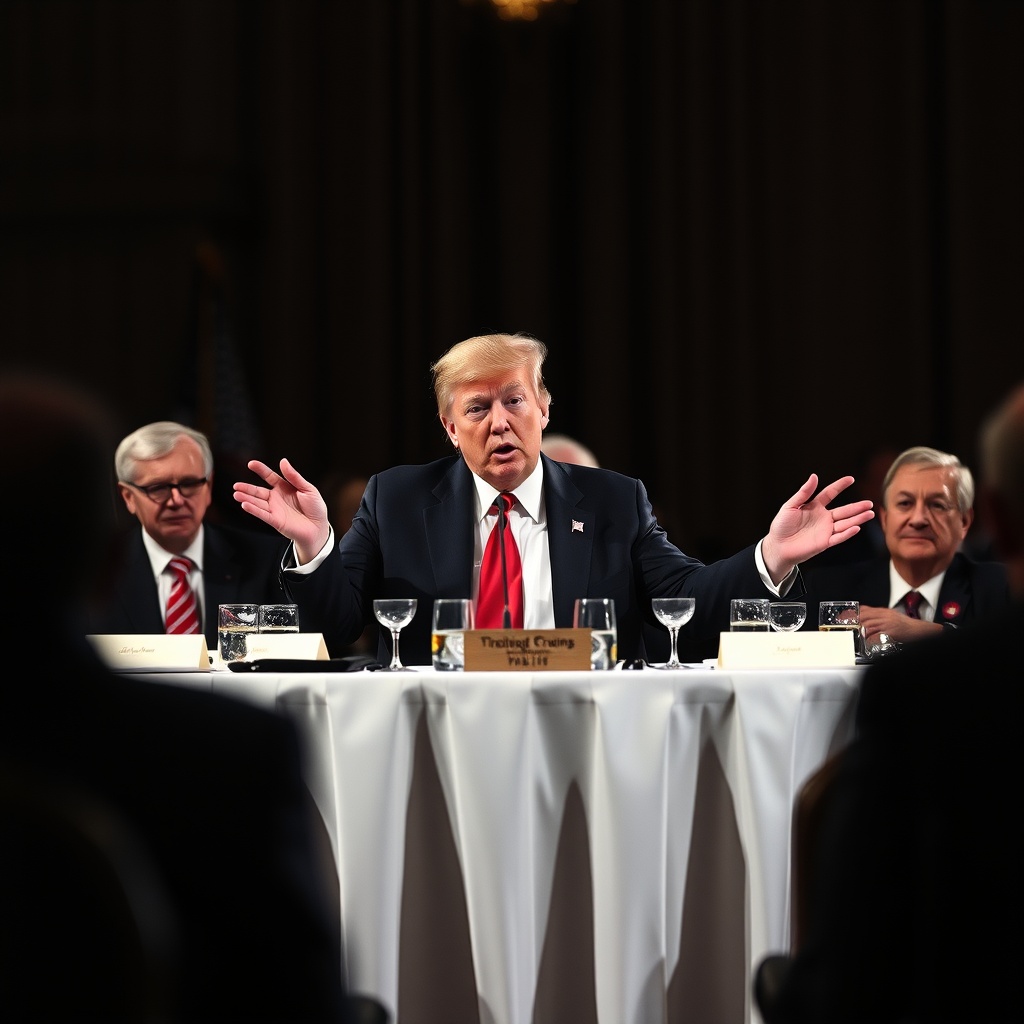
The National Prayer Breakfast, an annual event that brings together politicians, religious leaders, and other dignitaries to promote unity and faith, was recently marred by a series of falsehoods uttered by former President Donald Trump. During his remarks at the event, Trump repeated his baseless claims that the 2020 presidential election was "rigged" against him, sparking widespread criticism and concern. This article will delve into the details of Trump's speeches, the implications of his lies, and the broader context of his relationship with the truth.
The Pattern of Deception
Trump's propensity for spreading false information is well-documented. Throughout his presidency and beyond, he has consistently pushed conspiracy theories, distorted facts, and outright lied about various topics, including the election, COVID-19, and his own policies. The National Prayer Breakfast was no exception, as Trump used the platform to reinforce his debunked claims about the 2020 election. By doing so, he not only undermined the integrity of the electoral process but also perpetuated a narrative that has been thoroughly discredited by experts, courts, and his own administration.
According to fact-checking organizations, Trump has made over 30,000 false or misleading claims during his presidency. This staggering number has contributed to a growing sense of distrust among the American public, with many citizens struggling to discern fact from fiction. The consequences of this erosion of trust are far-reaching, as it can lead to increased polarization, social unrest, and diminished faith in institutions. Trump's lies at the National Prayer Breakfast were a stark reminder of the dangers of unchecked dishonesty and the importance of holding public figures accountable for their words.
The Role of Ego and Self-Preservation
Trump's admission that he needed the National Prayer Breakfast for his "ego" offers a glimpse into the motivations behind his behavior. It suggests that his actions are often driven by a desire for self-aggrandizement and a need for validation. This ego-driven approach to politics can have disastrous consequences, as it prioritizes personal interests over the well-being of the nation. By putting his own ego above the truth, Trump has consistently demonstrated a willingness to sacrifice the integrity of his office and the trust of the American people.
The psychological dynamics at play here are complex and multifaceted. Trump's ego has been a defining feature of his public persona, with many observers noting his tendency to prioritize self-promotion over substance. This trait has been exacerbated by the pressures of social media, where Trump has cultivated a persona that is both bombastic and fragile. The constant need for validation and attention has created a feedback loop, where Trump's ego is fed by his followers, and his lies are reinforced by the echo chamber of his supporters.
The Broader Context: Polarization and the Erosion of Trust
The National Prayer Breakfast incident is not an isolated event; rather, it is a symptom of a larger disease afflicting American politics. The polarization of the country, fueled by social media, partisan politics, and the 24-hour news cycle, has created an environment in which lies and misinformation can thrive. The erosion of trust in institutions, including the media, government, and even the electoral process, has reached alarming levels. A recent survey found that over 70% of Americans believe that the country is more divided than ever, with many citing the spread of misinformation as a major contributor to this divide.
The consequences of this polarization are far-reaching and devastating. The lack of trust in institutions has led to increased social unrest, decreased civic engagement, and a diminished sense of national unity. The spread of misinformation has also had real-world consequences, from the COVID-19 pandemic to the January 6th insurrection at the US Capitol. As the country struggles to come to terms with these challenges, it is essential to recognize the role that lies and deception have played in exacerbating these problems.
Conclusion
The National Prayer Breakfast incident, in which Trump told lie after lie about the 2020 election, is a stark reminder of the dangers of unchecked dishonesty in politics. The event highlights the importance of holding public figures accountable for their words and the need for a fact-based discourse in American politics. As the country moves forward, it is essential to address the underlying issues that have contributed to the erosion of trust and the spread of misinformation. This includes promoting media literacy, supporting fact-checking initiatives, and fostering a culture of critical thinking and civic engagement.
Ultimately, the future of American democracy depends on its ability to distinguish fact from fiction and to hold its leaders accountable for their actions. The National Prayer Breakfast incident is a call to action, a reminder that the truth matters and that the integrity of our institutions is worth fighting for. As we move forward, it is essential to prioritize the truth, to promote a culture of honesty and transparency, and to ensure that our leaders are held to the highest standards of integrity and accountability. Only by doing so can we begin to heal the divisions that have torn our country apart and rebuild a sense of trust and unity that is essential to the health of our democracy.

Leave a comment