
Introduction
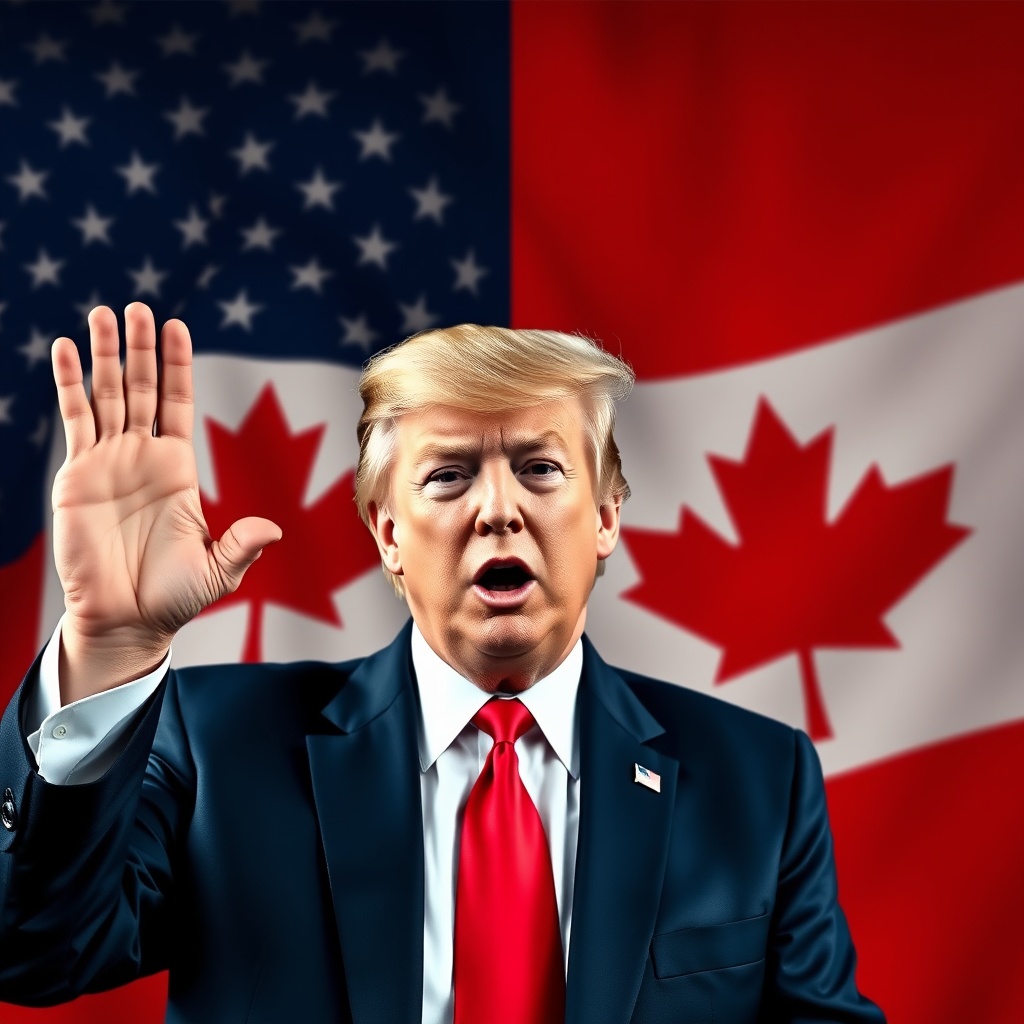
The global trade landscape has been witnessing significant tensions in recent years, with major economies engaging in a series of trade wars and diplomatic spats. One such development that has garnered significant attention is the threat by President Donald Trump to impose a 100% tariff on goods imported from Canada if the country proceeds with its trade deal with China. This move has not only escalated the feud between the United States and Canada but has also drawn in other key players, including Mark Carney, the former Governor of the Bank of England. In this article, we will delve into the details of this trade dispute, explore the implications of such a tariff, and examine the broader context of the US-Canada-China trade dynamics.
The US-Canada Trade Relationship
The United States and Canada have historically enjoyed a robust trade relationship, with the two countries being each other's largest trading partners. The US-Canada trade relationship is built on the foundation of the North American Free Trade Agreement (NAFTA), which was replaced by the United States-Mexico-Canada Agreement (USMCA) in 2020. The USMCA aims to reduce trade barriers and facilitate the exchange of goods and services between the three countries. However, the recent threat by President Trump to impose a 100% tariff on Canadian goods has raised concerns about the stability of this trade relationship.
The US-Canada trade relationship is significant, with bilateral trade amounting to over $700 billion in 2020. Canada is the largest exporter of goods to the United States, with key exports including energy products, timber, and agricultural products. The imposition of a 100% tariff on Canadian goods would have far-reaching consequences for both countries, including increased costs for consumers, reduced competitiveness for businesses, and potential job losses. For instance, the Canadian automotive industry, which is heavily integrated with the US market, could face significant challenges if a 100% tariff is imposed on Canadian automotive exports.
The China Factor
The recent trade deal between Canada and China has been a major point of contention between the United States and Canada. The deal, which aims to increase trade between the two countries, has been seen as a strategic move by Canada to diversify its trade relationships and reduce its dependence on the US market. However, the Trump administration has viewed this deal as a threat to US economic interests and has responded with a threat to impose a 100% tariff on Canadian goods.
China has been a key player in the global trade landscape, with the country being the world's largest trading nation. The US-China trade relationship has been marked by tensions in recent years, with the two countries engaging in a series of trade wars and diplomatic spats. The Trump administration has imposed significant tariffs on Chinese goods, citing concerns over intellectual property theft, trade deficits, and national security. The recent trade deal between Canada and China has been seen as a move by Canada to capitalize on the US-China trade tensions and increase its trade with China.
The Role of Mark Carney
Mark Carney, the former Governor of the Bank of England, has been a key figure in the ongoing trade dispute between the United States and Canada. Carney, who is a Canadian citizen, has been a vocal critic of the Trump administration's trade policies, arguing that they are detrimental to the global economy. Carney has also been a strong advocate for free trade and has urged countries to work together to reduce trade barriers and promote economic cooperation.
The feud between President Trump and Mark Carney has been escalating in recent months, with the two engaging in a series of public spats over trade policy. President Trump has accused Carney of being "very negative" and has criticized his handling of the Bank of England. Carney, on the other hand, has argued that the Trump administration's trade policies are "self-defeating" and will ultimately harm the US economy. The public spat between the two has raised concerns about the impact of trade tensions on the global economy and has highlighted the need for countries to work together to promote economic cooperation and reduce trade barriers.
Implications of a 100% Tariff
The imposition of a 100% tariff on Canadian goods would have significant implications for both countries. A 100% tariff would essentially double the price of Canadian goods in the US market, making them uncompetitive and potentially leading to a decline in Canadian exports. This could have far-reaching consequences for the Canadian economy, including reduced economic growth, higher unemployment, and decreased competitiveness.
The impact of a 100% tariff would also be felt in the US economy, with consumers facing higher prices for Canadian goods and businesses facing reduced competitiveness. The US economy is heavily integrated with the Canadian economy, and a 100% tariff would disrupt supply chains and lead to increased costs for businesses. For instance, the US automotive industry, which relies heavily on Canadian parts and components, could face significant challenges if a 100% tariff is imposed on Canadian automotive exports.
Case Studies and Statistics
The impact of trade tariffs can be seen in several case studies and statistics. For example, the imposition of tariffs on Chinese goods by the Trump administration has led to a significant decline in US imports from China. According to data from the US Census Bureau, US imports from China declined by over 20% in 2020 compared to the previous year. This decline has had a significant impact on the US economy, with businesses facing increased costs and reduced competitiveness.
Another example is the impact of the USMCA on the North American automotive industry. The USMCA includes rules of origin requirements that require a certain percentage of automotive parts to be sourced from within North America. This has led to increased investment in the North American automotive industry, with several companies announcing plans to expand their operations in the region. According to data from the International Trade Administration, the US automotive industry has seen a significant increase in exports to Canada and Mexico since the implementation of the USMCA.
Conclusion
The threat by President Trump to impose a 100% tariff on Canadian goods has significant implications for the US-Canada trade relationship and the broader global trade landscape. The imposition of such a tariff would have far-reaching consequences for both countries, including increased costs for consumers, reduced competitiveness for businesses, and potential job losses. The recent trade deal between Canada and China has been a major point of contention between the United States and Canada, with the Trump administration viewing it as a threat to US economic interests.
As the global trade landscape continues to evolve, it is essential for countries to work together to promote economic cooperation and reduce trade barriers. The feud between President Trump and Mark Carney has highlighted the need for countries to engage in constructive dialogue and find common ground on trade policy. The implications of a 100% tariff on Canadian goods are significant, and it is essential for policymakers to consider the potential consequences of such a move and work towards finding a solution that promotes economic cooperation and reduces trade tensions.
In the long term, the US-Canada trade relationship is likely to remain robust, with the two countries continuing to be each other's largest trading partners. However, the recent tensions over trade policy highlight the need for countries to be vigilant and proactive in promoting economic cooperation and reducing trade barriers. As the global economy continues to evolve, it is essential for countries to work together to promote free trade, reduce trade tensions, and create a more stable and prosperous global economy.

Leave a comment