
Introduction
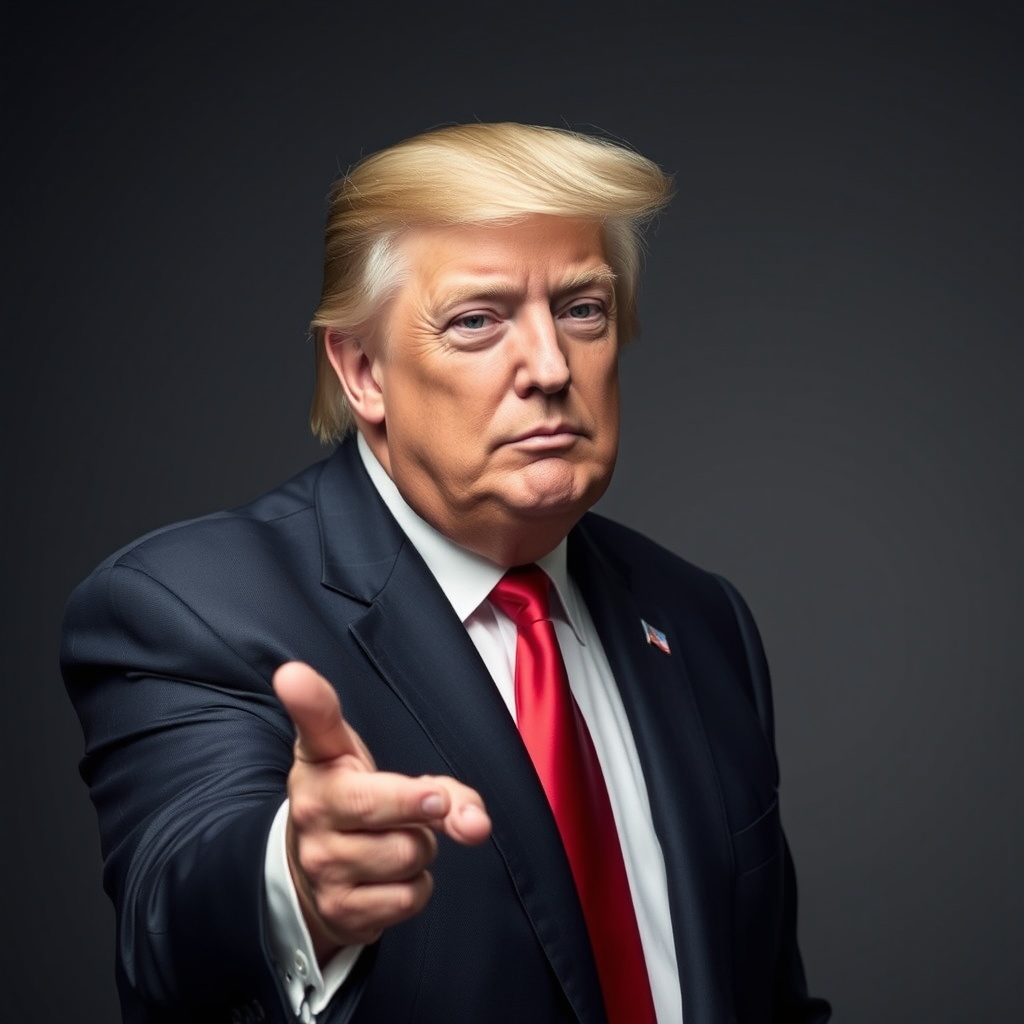
In a recent interview with POLITICO, former US President Donald Trump expressed his thoughts on the current situation in Iran, stating that "it's time to look for new leadership" in the country. This statement comes after Trump was shown a series of hostile social media posts from Iran's Supreme Leader, which led him to conclude that the ayatollah is responsible for "the complete destruction of his country." This article will delve into the context behind Trump's statement, the current situation in Iran, and the potential implications of seeking new leadership in the country.
The Current Situation in Iran
Iran has been facing numerous challenges in recent years, including economic struggles, human rights concerns, and tensions with the international community. The country's economy has been heavily impacted by sanctions imposed by the US and other countries, leading to high levels of inflation, unemployment, and poverty. The Iranian government has also been criticized for its human rights record, with reports of arbitrary arrests, torture, and suppression of free speech.
The Supreme Leader of Iran, Ali Khamenei, has been in power since 1989 and has been a key figure in shaping the country's policies and direction. However, his leadership has been increasingly criticized, both domestically and internationally, for its authoritarian nature and its failure to address the country's economic and social problems. The hostile social media posts mentioned in the POLITICO article are likely a reflection of the growing frustration and discontent among the Iranian people with their government and its leadership.
The Impact of US Policy on Iran
The US has played a significant role in shaping the current situation in Iran, particularly through its policy of imposing sanctions on the country. The sanctions, which were reimposed by the Trump administration in 2018, have had a devastating impact on the Iranian economy, leading to a sharp decline in the value of the country's currency and a significant increase in the cost of living for ordinary Iranians.
The US has also been a strong critic of Iran's human rights record and has imposed sanctions on individuals and entities responsible for human rights abuses. While these sanctions are intended to pressure the Iranian government to improve its human rights record, they have also had the effect of exacerbating the country's economic problems and increasing the suffering of the Iranian people.
The Potential for New Leadership in Iran
Trump's call for new leadership in Iran is not a new idea, and there have been numerous attempts in the past to promote regime change in the country. However, these attempts have been met with significant resistance from the Iranian government and its supporters, and it is unclear whether a new leader would be able to bring about significant changes in the country.
One potential candidate for new leadership in Iran is the country's president, Ebrahim Raisi. Raisi has been a key figure in the Iranian government for many years and has been seen as a potential successor to Khamenei. However, Raisi's own human rights record is questionable, and it is unclear whether he would be able to bring about significant reforms in the country.
Another potential candidate for new leadership in Iran is the country's opposition movement. The opposition movement in Iran is diverse and includes a range of groups and individuals who are critical of the government and its policies. While the opposition movement has been subject to significant repression and violence, it remains a potential force for change in the country.
Case Studies: Regime Change in the Middle East
The idea of promoting regime change in Iran is not without precedent in the Middle East. In recent years, there have been numerous attempts to promote regime change in countries such as Iraq, Libya, and Syria. While these attempts have been met with significant challenges and uncertainties, they provide valuable lessons for anyone seeking to promote regime change in Iran.
One notable example is the US-led invasion of Iraq in 2003, which was intended to overthrow the government of Saddam Hussein and promote democracy in the country. While the invasion was successful in removing Hussein from power, it also had the effect of creating a power vacuum and exacerbating sectarian tensions in the country. The aftermath of the invasion was marked by significant violence and instability, and it is unclear whether the country is more stable or democratic today than it was before the invasion.
Another example is the Libyan revolution, which began in 2011 and led to the overthrow and killing of the country's leader, Muammar Gaddafi. While the revolution was successful in removing Gaddafi from power, it also had the effect of creating a power vacuum and exacerbating tensions between different groups in the country. The aftermath of the revolution was marked by significant violence and instability, and it is unclear whether the country is more stable or democratic today than it was before the revolution.
Statistics and Data
According to a recent survey by the Pew Research Center, a significant majority of Iranians (71%) believe that their country is heading in the wrong direction. The survey also found that a majority of Iranians (55%) believe that the government is responsible for the country's economic problems, while 43% believe that the US and other countries are responsible.
In terms of human rights, the situation in Iran is also a significant concern. According to a recent report by Amnesty International, the Iranian government has been responsible for a range of human rights abuses, including arbitrary arrests, torture, and executions. The report also found that the government has been cracking down on dissent and free speech, with many activists and journalists facing arrest and imprisonment.
Conclusion
In conclusion, Trump's call for new leadership in Iran is a complex and multifaceted issue that requires careful consideration and analysis. While the current situation in Iran is certainly challenging, it is unclear whether seeking new leadership in the country would be a viable or effective solution.
The US and other countries have a significant role to play in promoting positive change in Iran, but this must be done in a way that is respectful of the country's sovereignty and the rights of its people. Rather than seeking to impose regime change or promote a particular leader, the international community should focus on promoting human rights, democracy, and economic development in the country.
Ultimately, the future of Iran will depend on the actions of its government and people, as well as the support and engagement of the international community. While there are certainly challenges and uncertainties ahead, there is also the potential for positive change and development in the country. As the international community looks to the future, it is essential that we prioritize the rights and dignity of the Iranian people and work towards a more peaceful and prosperous future for all.

Leave a comment