
Introduction
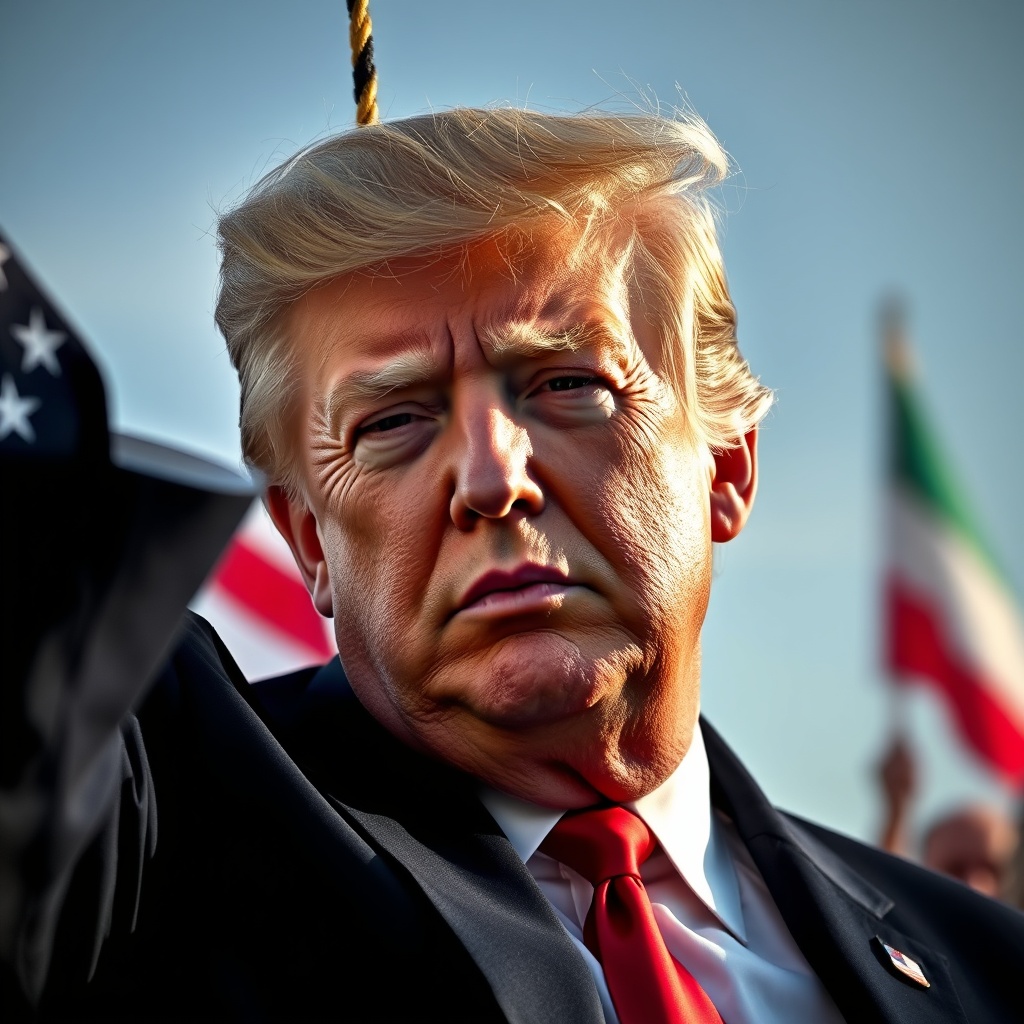
The ongoing protests in Iran have sparked a wave of international concern, with many countries condemning the Iranian government's handling of the situation. In a recent interview with CBS News, President Trump warned that the United States "will take very strong action" if Iran hangs protesters. This statement comes amidst a backdrop of rising tensions between the US and Iran, with the two countries having a complex and often contentious relationship. In this article, we will explore the context behind President Trump's warning, the current situation in Iran, and the potential implications of US intervention.
The Current Situation in Iran
The protests in Iran began in September 2022, sparked by the death of a 22-year-old woman named Mahsa Amini, who was arrested by the country's morality police for allegedly violating the country's strict dress code. Amini's death in custody ignited widespread outrage and protests across the country, with demonstrators calling for greater freedoms and an end to the Islamic Republic's strict laws. The protests have been met with a violent crackdown by the Iranian authorities, with reports of security forces using tear gas, batons, and live ammunition to disperse crowds.
According to human rights groups, over 400 people have been killed in the protests, including dozens of children and women. The Iranian government has also arrested thousands of protesters, with many facing severe punishments, including the death penalty. The situation has been condemned by countries around the world, with many calling for an end to the violence and for the Iranian government to respect the rights of its citizens.
US-Iran Relations and the Potential for Intervention
The relationship between the US and Iran has been strained for decades, with the two countries having a long history of conflict and tension. The US has imposed severe economic sanctions on Iran, which have had a devastating impact on the country's economy. The sanctions, combined with the Iranian government's own mismanagement, have led to high levels of poverty, unemployment, and inflation.
In recent years, the US has taken a more aggressive stance towards Iran, with the Trump administration withdrawing from the Joint Comprehensive Plan of Action (JCPOA), also known as the Iran nuclear deal. The JCPOA was a landmark agreement signed in 2015, which limited Iran's nuclear program in exchange for relief from economic sanctions. The US withdrawal from the deal has been widely condemned, with many arguing that it has emboldened Iran's hardline leaders and increased the risk of conflict.
President Trump's warning that the US will take "very strong action" if Iran hangs protesters has been seen as a significant escalation of tensions between the two countries. The US has a history of intervening in Iran's internal affairs, with the CIA-backed coup in 1953 that overthrew the democratically-elected government of Prime Minister Mohammad Mosaddegh being a notable example. More recently, the US has been accused of supporting opposition groups in Iran, with some arguing that this has contributed to the current unrest.
The Implications of US Intervention
The implications of US intervention in Iran are complex and far-reaching. On the one hand, many argue that the US has a moral obligation to act in defense of human rights and to prevent further bloodshed. The Iranian government's handling of the protests has been widely condemned, and many see US intervention as a necessary step to protect the rights of Iranian citizens.
On the other hand, others argue that US intervention could have unintended consequences, including exacerbating the conflict and leading to further instability in the region. The US has a history of intervening in the Middle East, with mixed results. The invasion of Iraq in 2003, for example, was widely seen as a disaster, with the country descending into chaos and violence.
In addition, US intervention in Iran could also have significant geopolitical implications. Iran is a key player in the region, with close ties to countries such as Russia, China, and Syria. Any US intervention could be seen as a challenge to these countries, and could potentially lead to a wider conflict.
Case Studies: Previous US Interventions in the Middle East
To understand the potential implications of US intervention in Iran, it is useful to look at previous examples of US intervention in the Middle East. One notable example is the US invasion of Libya in 2011, which was justified on humanitarian grounds. The invasion was seen as a success at the time, with the Libyan dictator Muammar Gaddafi being overthrown and killed. However, the aftermath of the invasion was marked by chaos and instability, with the country descending into civil war.
Another example is the US intervention in Syria, which began in 2014. The US intervention was initially justified on humanitarian grounds, with the aim of protecting civilians from the Syrian government's brutal crackdown. However, the intervention has been widely criticized, with many arguing that it has contributed to the conflict and exacerbated the humanitarian crisis.
Statistics and Data
According to a recent survey by the Pew Research Center, 64% of Americans believe that the US should take a more active role in promoting democracy and human rights in Iran. However, the same survey also found that 55% of Americans are concerned that US intervention could lead to a wider conflict.
In terms of the economic impact of sanctions, a recent report by the International Monetary Fund (IMF) found that the US sanctions on Iran have had a significant impact on the country's economy. The report found that the sanctions have led to a decline in Iran's oil exports, which has had a devastating impact on the country's economy.
Conclusion
In conclusion, the current situation in Iran is complex and multifaceted, with the Iranian government's handling of the protests being widely condemned. President Trump's warning that the US will take "very strong action" if Iran hangs protesters has significant implications, both for the US-Iran relationship and for the wider region. While some argue that US intervention is necessary to protect human rights, others argue that it could have unintended consequences and exacerbate the conflict.
As the situation continues to unfold, it is clear that the US will play a significant role in shaping the outcome. Whether through diplomatic efforts, economic sanctions, or military intervention, the US has the potential to influence the course of events in Iran. However, it is also clear that any US intervention must be carefully considered, with a clear understanding of the potential implications and consequences.
Ultimately, the situation in Iran is a reminder of the complexities and challenges of international relations, and the need for careful and nuanced decision-making. As the world watches the situation unfold, it is clear that the US will be a key player in shaping the outcome, and that the consequences of its actions will be far-reaching and significant.

Leave a comment