
Introduction
The concept of tariff rebate checks has been a topic of discussion in recent times, with President Trump proposing a $2,000 tariff rebate check to be sent to American citizens. However, this idea has been met with resistance from Senate Republicans, who have expressed their skepticism about the feasibility and effectiveness of such a move. In this article, we will delve into the details of President Trump's proposal, the reasons behind the opposition from Senate Republicans, and the potential implications of such a policy.
The Proposal: $2,000 Tariff Rebate Checks
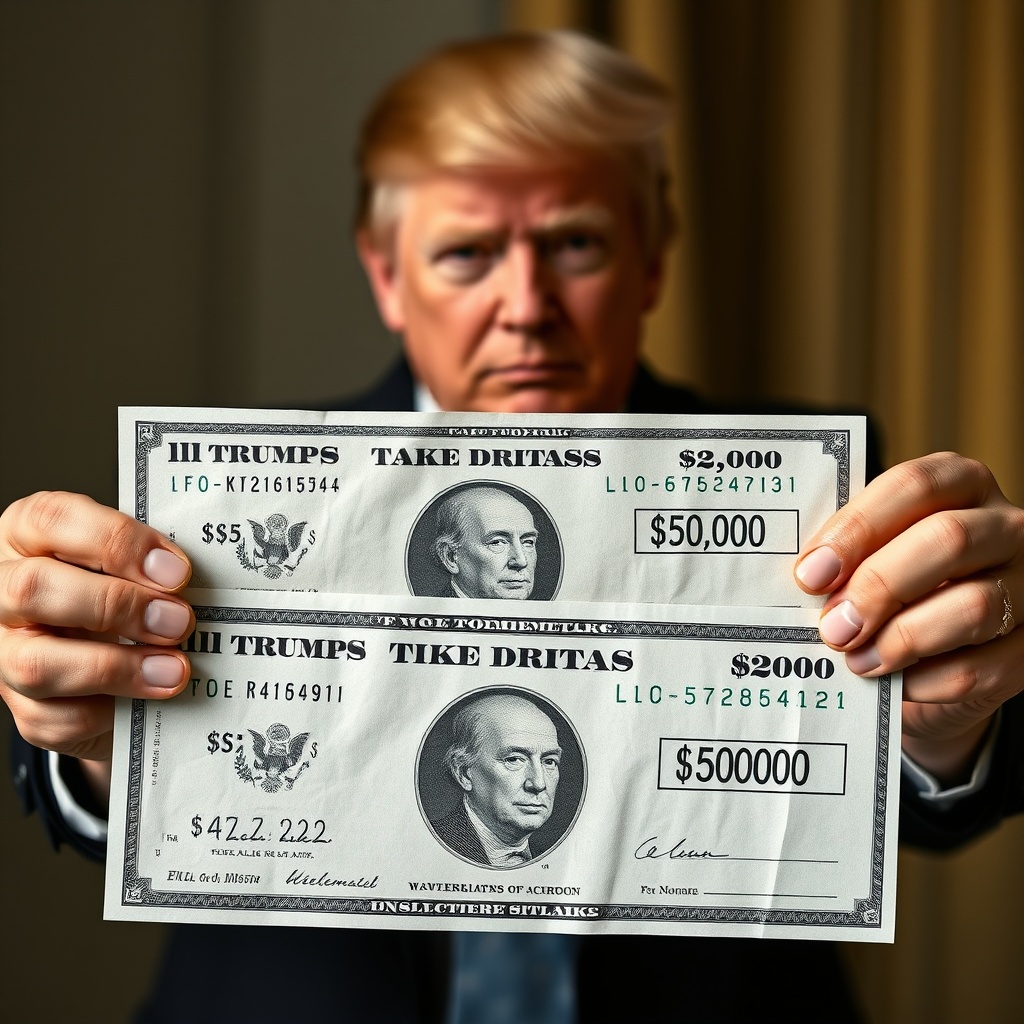
President Trump's proposal for $2,000 tariff rebate checks is an attempt to provide relief to American citizens who have been affected by the tariffs imposed on imported goods. The idea is to use the revenue generated from tariffs to fund these rebate checks, which would be sent to citizens as a way of compensating them for the increased costs of imported goods. This proposal is seen as a way to mitigate the negative effects of tariffs on American consumers and businesses.
However, the proposal has been met with criticism from various quarters, including Senate Republicans. Many senators think that such a move would be ineffective in addressing the root causes of the trade imbalance and would instead create new problems. They argue that the rebate checks would be a short-term solution that would not provide a long-term benefit to the economy.
For example, Senator John Cornyn (R-TX) has expressed his opposition to the proposal, stating that it would be a "gimmick" that would not address the underlying issues. He argues that the focus should be on negotiating better trade deals and reducing tariffs, rather than providing rebate checks to citizens.
Opposition from Senate Republicans
The opposition from Senate Republicans is not surprising, given their concerns about the impact of tariffs on the economy. Many Republicans have been critical of President Trump's trade policies, arguing that they have led to increased costs for American businesses and consumers.
One of the main reasons for the opposition is the concern that the rebate checks would be seen as a form of welfare payment. Many Republicans believe that the government should not be providing direct financial assistance to citizens, and that the focus should be on creating jobs and stimulating economic growth through other means.
Another reason for the opposition is the concern about the cost of the proposal. The $2,000 tariff rebate checks would be expensive, and many senators are concerned about the impact on the federal budget. They argue that the money could be better spent on other priorities, such as infrastructure or defense.
According to a report by the Congressional Budget Office, the cost of the proposal could be as high as $100 billion per year. This is a significant amount, and many senators are concerned about the impact on the federal deficit.
Potential Implications
The potential implications of President Trump's proposal are far-reaching. If the proposal were to be implemented, it could have a significant impact on the economy and the federal budget.
On the one hand, the rebate checks could provide a boost to consumer spending, which could help to stimulate economic growth. Many Americans have been affected by the tariffs, and the rebate checks could provide some relief.
On the other hand, the proposal could also have negative consequences. The cost of the proposal could lead to an increase in the federal deficit, which could have long-term consequences for the economy. Additionally, the rebate checks could be seen as a form of welfare payment, which could create dependency on government assistance.
It's also worth noting that the proposal could have political implications. The rebate checks could be seen as a way for President Trump to shore up support among his base, particularly in the run-up to the next election. However, the opposition from Senate Republicans could make it difficult for the proposal to pass, which could be seen as a defeat for the President.
Case Study: The 2008 Economic Stimulus Package
The concept of rebate checks is not new, and there are examples of similar policies being implemented in the past. One such example is the 2008 Economic Stimulus Package, which provided rebate checks to American citizens as a way of stimulating economic growth.
The 2008 Economic Stimulus Package was a response to the financial crisis, and it provided rebate checks of up to $1,200 to eligible citizens. The package was signed into law by President George W. Bush, and it was seen as a way of providing relief to Americans who were affected by the economic downturn.
However, the effectiveness of the package has been debated. Some studies have shown that the rebate checks had a positive impact on consumer spending, while others have argued that the impact was minimal.
A study by the Brookings Institution found that the rebate checks had a positive impact on consumer spending, particularly among low-income households. The study found that the rebate checks led to an increase in spending on food, housing, and other essential items.
On the other hand, a study by the Congressional Budget Office found that the impact of the rebate checks was minimal. The study found that the checks had a small impact on consumer spending, and that the majority of the money was saved or used to pay off debt.
Conclusion
In conclusion, President Trump's proposal for $2,000 tariff rebate checks has been met with opposition from Senate Republicans. While the proposal is seen as a way of providing relief to American citizens who have been affected by tariffs, many senators are concerned about the cost and effectiveness of the proposal.
The potential implications of the proposal are far-reaching, and it's unclear whether it will pass into law. However, the debate surrounding the proposal highlights the complexities of trade policy and the challenges of addressing the root causes of trade imbalances.
As the debate continues, it's worth looking at examples from the past, such as the 2008 Economic Stimulus Package. While the effectiveness of such policies is debated, they can provide valuable lessons for policymakers as they consider new proposals.
Ultimately, the goal of trade policy should be to promote fair trade and stimulate economic growth. While rebate checks may provide short-term relief, they are not a substitute for a comprehensive trade policy that addresses the root causes of trade imbalances. As policymakers consider new proposals, they should prioritize policies that promote fair trade, stimulate economic growth, and benefit American citizens in the long term.

Leave a comment