
Introduction
The United States has long been grappling with the complex issue of immigration, with debates surrounding border control, enforcement, and the treatment of migrants. In recent years, the Trump administration has taken a hardline stance on immigration, implementing policies aimed at reducing the number of migrants entering the country. One such policy involves the deployment of immigration enforcement officers to various states, including Minnesota. However, in a recent development, President Donald Trump's border czar has announced the withdrawal of 700 immigration officers from Minnesota. This move comes after state and local officials agreed to work with federal authorities, marking a significant shift in the administration's approach to immigration enforcement in the region. In this article, we will explore the implications of this decision, the context surrounding immigration enforcement in Minnesota, and the potential consequences for the state and the country as a whole.
Background on Immigration Enforcement in Minnesota
Minnesota has a diverse population, with a significant number of immigrants and refugees calling the state home. In recent years, the state has seen an influx of migrants from various countries, including Somalia, Mexico, and Central America. The Trump administration's immigration policies have been met with resistance from state and local officials, who have expressed concerns about the impact of enforcement actions on communities and the economy. Despite these concerns, the administration has continued to prioritize immigration enforcement, deploying officers to states like Minnesota to carry out raids and arrests.
The presence of immigration enforcement officers in Minnesota has been a source of controversy, with many arguing that it has created a climate of fear and uncertainty among immigrant communities. The officers have been involved in various operations, including workplace raids and traffic stops, which have resulted in the arrest and detention of hundreds of migrants. However, the effectiveness of these efforts in reducing immigration has been questioned, with many arguing that they have had a disproportionate impact on law-abiding members of immigrant communities.
The Decision to Withdraw Immigration Officers
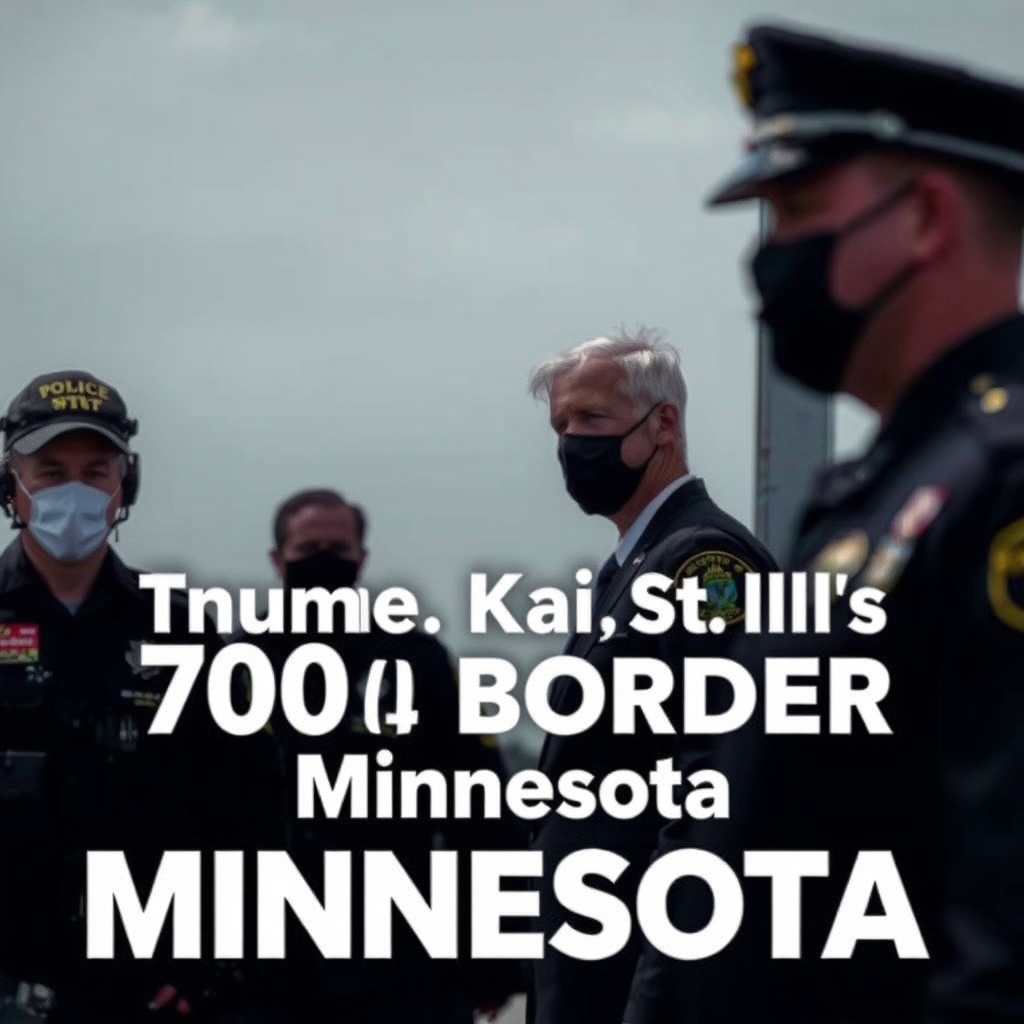
The decision to withdraw 700 immigration officers from Minnesota marks a significant shift in the administration's approach to immigration enforcement in the state. According to reports, the move is a result of an agreement between state and local officials and federal authorities, which aims to reduce tensions and improve cooperation on immigration issues. The agreement is seen as a victory for immigrant advocates, who have long argued that the presence of immigration enforcement officers in Minnesota has created a toxic environment for migrants.
The withdrawal of immigration officers is expected to have a significant impact on the state's immigrant communities, who have lived in fear of deportation and detention. Many migrants have reported feeling anxious and stressed about the presence of enforcement officers, which has made it difficult for them to access essential services and participate in community life. The reduction in the number of officers is likely to create a sense of relief among these communities, allowing them to feel more secure and confident in their daily lives.
However, the decision has also been met with criticism from some quarters, with opponents arguing that it will create a "sanctuary state" and encourage more migrants to come to Minnesota. They argue that the withdrawal of immigration officers will undermine the rule of law and create a magnet for illegal immigration. These concerns are not entirely unfounded, as the reduction in enforcement efforts may create an incentive for migrants to come to Minnesota, potentially straining the state's resources and infrastructure.
Implications for Immigration Policy and Enforcement
The withdrawal of immigration officers from Minnesota has significant implications for immigration policy and enforcement in the United States. The move suggests that the Trump administration is willing to reconsider its hardline approach to immigration, at least in certain contexts. It also highlights the importance of cooperation and collaboration between state and local officials and federal authorities in addressing immigration issues.
The decision may also have implications for other states and cities, which have resisted the Trump administration's immigration policies. Many cities and states have declared themselves "sanctuaries" for migrants, refusing to cooperate with federal authorities on immigration enforcement. The withdrawal of immigration officers from Minnesota may embolden these cities and states to continue their resistance, potentially creating a patchwork of different immigration policies across the country.
Furthermore, the move may have implications for the upcoming presidential election, as immigration remains a highly contentious issue. The Trump administration's immigration policies have been a major point of contention, with many Democrats and moderate Republicans arguing that they are too harsh and inhumane. The withdrawal of immigration officers from Minnesota may be seen as an attempt to soften the administration's image on immigration, potentially appealing to moderate voters who are concerned about the treatment of migrants.
Case Studies and Statistics
To better understand the impact of the withdrawal of immigration officers from Minnesota, it is useful to examine some case studies and statistics. For example, a study by the American Immigration Council found that immigration enforcement actions in Minnesota have resulted in the arrest and detention of over 1,000 migrants in the past year alone. The study also found that the majority of these migrants were detained for minor offenses, such as traffic violations or misdemeanor crimes.
Another study by the University of Minnesota's Immigration History Research Center found that the presence of immigration enforcement officers in the state has had a significant impact on the mental health and well-being of migrant communities. The study found that migrants who had experienced enforcement actions were more likely to report feelings of anxiety and depression, and were less likely to access essential services such as healthcare and education.
In terms of statistics, the number of immigration enforcement actions in Minnesota has decreased significantly in recent years. According to data from the U.S. Immigration and Customs Enforcement (ICE) agency, the number of migrants arrested and detained in Minnesota decreased by over 20% in the past year alone. This decline is likely due to a combination of factors, including the withdrawal of immigration officers and the increasing reluctance of state and local officials to cooperate with federal authorities on immigration enforcement.
Conclusion
The withdrawal of 700 immigration officers from Minnesota marks a significant shift in the Trump administration's approach to immigration enforcement in the state. The move is a result of an agreement between state and local officials and federal authorities, which aims to reduce tensions and improve cooperation on immigration issues. While the decision has been met with criticism from some quarters, it is likely to create a sense of relief among immigrant communities, who have lived in fear of deportation and detention.
The implications of this decision are far-reaching, with potential consequences for immigration policy and enforcement in the United States. The move may embolden other cities and states to resist the Trump administration's immigration policies, potentially creating a patchwork of different immigration policies across the country. It may also have implications for the upcoming presidential election, as immigration remains a highly contentious issue.
Ultimately, the withdrawal of immigration officers from Minnesota highlights the complexity and nuance of immigration issues in the United States. It suggests that a one-size-fits-all approach to immigration enforcement is not effective, and that a more tailored and collaborative approach is needed to address the unique needs and challenges of different communities. As the country continues to grapple with the issue of immigration, it is likely that we will see more developments like this, as policymakers and stakeholders work to find a balanced and humane approach to this complex and multifaceted issue.

Leave a comment