
Introduction
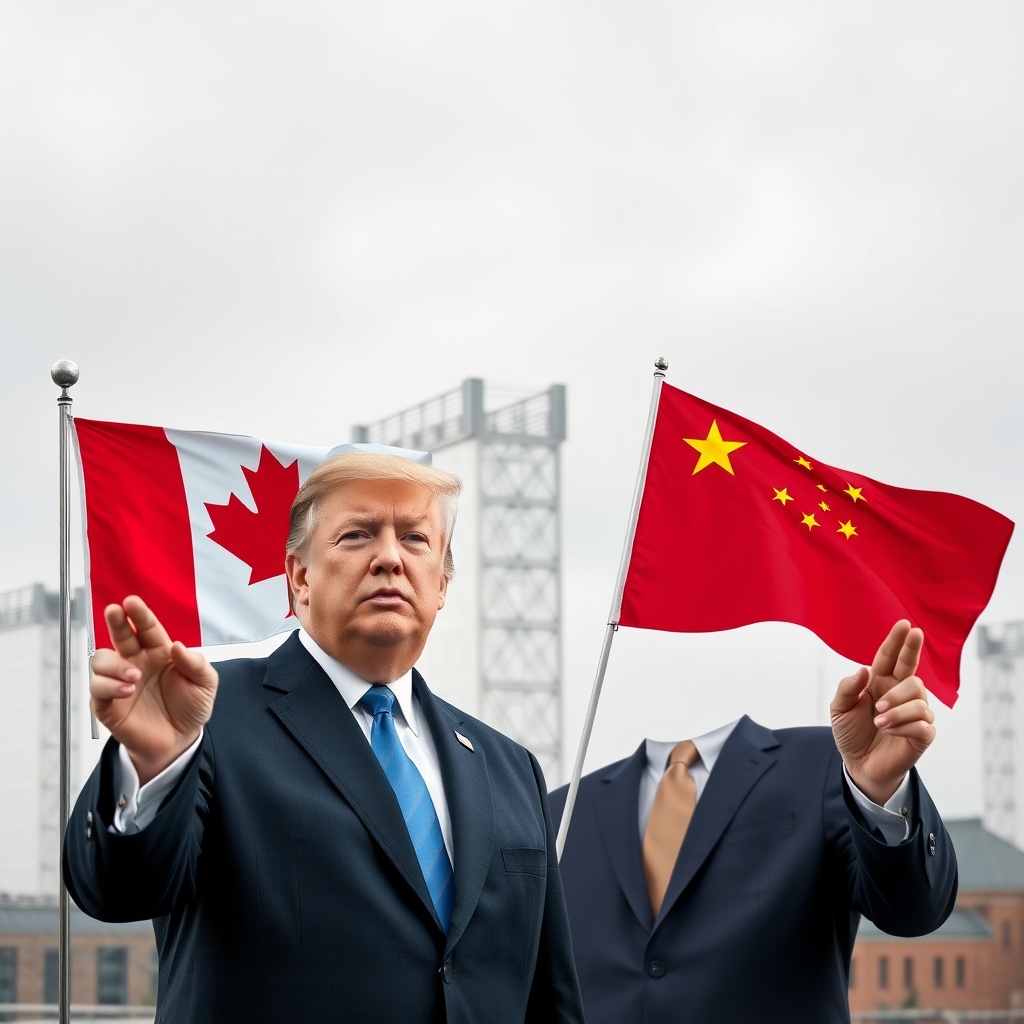
The global trade landscape has witnessed significant shifts in recent years, with the imposition of tariffs by the United States under the presidency of Donald Trump being a major catalyst for these changes. One of the most notable effects of Trump's tariff policies has been the push for other countries to seek out new trade agreements and partnerships, in an effort to mitigate the economic impact of these tariffs. A recent development in this context is the move by Canada and China to strike a deal of their own, as reported by the Washington Post. This article will delve into the details of this new trade agreement, exploring the motivations behind it, its potential implications, and what it might mean for the future of global trade.
Background and Motivations
The decision by Canada and China to pursue a trade deal can be seen as a direct response to the economic pressures exerted by the Trump administration. The threat of being treated as the "51st state" of the United States, as implied by Trump's comments on using "economic force," has prompted Ottawa to seek diversification in its trade relationships. This move is part of a broader strategy by Canada to reduce its economic dependence on the United States, which has traditionally been its largest trading partner. By seeking a thaw in relations with Beijing, Canada aims to open up new markets for its goods and services, thereby cushioning the potential impact of any adverse trade policies from its southern neighbor.
China, on the other hand, sees this deal as an opportunity to expand its influence in North America and to counterbalance the effects of the trade war with the United States. The Chinese government has been actively pursuing new trade agreements and investments around the world as part of its Belt and Road Initiative, and a deal with Canada fits neatly into this strategy. Furthermore, China's large and growing economy makes it an attractive partner for Canada, offering a vast market for Canadian exports such as agricultural products, energy, and minerals.
Details of the Deal
While the specifics of the Canada-China trade agreement are still emerging, it is clear that the deal aims to reduce tariffs and other trade barriers between the two countries. This could lead to increased trade in areas such as agriculture, energy, and manufacturing, benefiting both Canadian exporters and Chinese consumers. The agreement may also include provisions for investment, services, and intellectual property, further facilitating economic cooperation between Canada and China.
One of the key aspects of the deal is expected to be the removal of tariffs on a range of Canadian products, including lumber, seafood, and agricultural products. This could provide a significant boost to Canadian exporters, who have been hit hard by the Trump administration's tariffs on Canadian goods. In return, Canada may agree to reduce its own tariffs on Chinese imports, potentially leading to increased competition in the Canadian market but also providing Canadian consumers with access to a wider range of products at lower prices.
Implications and Future Directions
The Canada-China trade deal has significant implications for the global trade landscape. Firstly, it underscores the trend towards diversification in international trade, as countries seek to reduce their dependence on any one partner. This could lead to a more multipolar trade environment, with several major economies playing key roles in global trade.
Secondly, the deal highlights the challenges faced by the United States in its efforts to exert economic pressure on its trading partners. The Trump administration's use of tariffs as a policy tool has prompted other countries to seek out alternative trade arrangements, potentially eroding the United States' influence in global trade.
Finally, the agreement between Canada and China may set a precedent for other countries seeking to negotiate trade deals outside of traditional frameworks. This could lead to a proliferation of bilateral and regional trade agreements, potentially complicating the global trade landscape but also offering new opportunities for economic cooperation and growth.
Case Studies and Statistics
To understand the potential impact of the Canada-China trade deal, it is useful to look at some case studies and statistics. For example, Canada's agricultural sector has been a significant beneficiary of trade agreements in the past. The Canada-European Union Comprehensive Economic and Trade Agreement (CETA), which came into effect in 2017, has led to a significant increase in Canadian agricultural exports to the EU. Similarly, a trade deal with China could open up new markets for Canadian farmers, leading to increased exports and economic growth.
In terms of statistics, Canada's trade deficit with China has been a point of concern in the past. However, a trade deal could help to reduce this deficit by increasing Canadian exports to China. According to Statistics Canada, the country's trade deficit with China was approximately $36 billion in 2020. A reduction in this deficit could have a positive impact on Canada's balance of trade and its overall economy.
Conclusion
The decision by Canada and China to strike a trade deal is a significant development in the global trade landscape. Driven by the need to diversify trade relationships and mitigate the impact of Trump's tariffs, this agreement has the potential to open up new markets and opportunities for economic growth. As the details of the deal become clearer, it will be important to monitor its implementation and assess its effects on the economies of both Canada and China.
Looking to the future, the Canada-China trade deal may set a precedent for other countries seeking to navigate the challenges of the current global trade environment. As the world becomes increasingly interconnected, the need for flexible and adaptive trade policies will only continue to grow. By pursuing new trade agreements and partnerships, countries like Canada and China are positioning themselves for success in a rapidly changing world. Ultimately, the outcome of this deal will depend on a variety of factors, including the specifics of the agreement, the response of other trading partners, and the broader trends shaping the global economy. However, one thing is clear: the Canada-China trade deal marks an important step towards a more diverse and interconnected global trade landscape.

Leave a comment