
Introduction
The ongoing conflict between Ukraine and Russia has led to numerous allegations and denials from both sides. Recently, a drone attack on one of President Vladimir Putin's residences sparked a heated exchange between the two nations. Ukraine's President Volodymyr Zelensky has categorically denied allegations by Russia that Ukraine was responsible for the attack. This article will delve into the details of the incident, the responses from both countries, and the implications of this development on the ongoing conflict.
Background of the Conflict
The conflict between Ukraine and Russia began in 2014, when Russia annexed Crimea, a peninsula in eastern Ukraine. The annexation was met with widespread international condemnation, and it led to a significant deterioration in relations between Russia and the West. Since then, the conflict has escalated, with both sides engaging in a protracted and bloody war. The conflict has resulted in thousands of deaths, displacement of people, and significant economic losses.
In recent months, the conflict has taken a new turn, with both sides engaging in a war of words and accusations. Russia has accused Ukraine of launching attacks on its territory, while Ukraine has denied these allegations, accusing Russia of attempting to destabilize the region. The drone attack on Putin's residence is the latest incident in this series of allegations and denials.
The Drone Attack
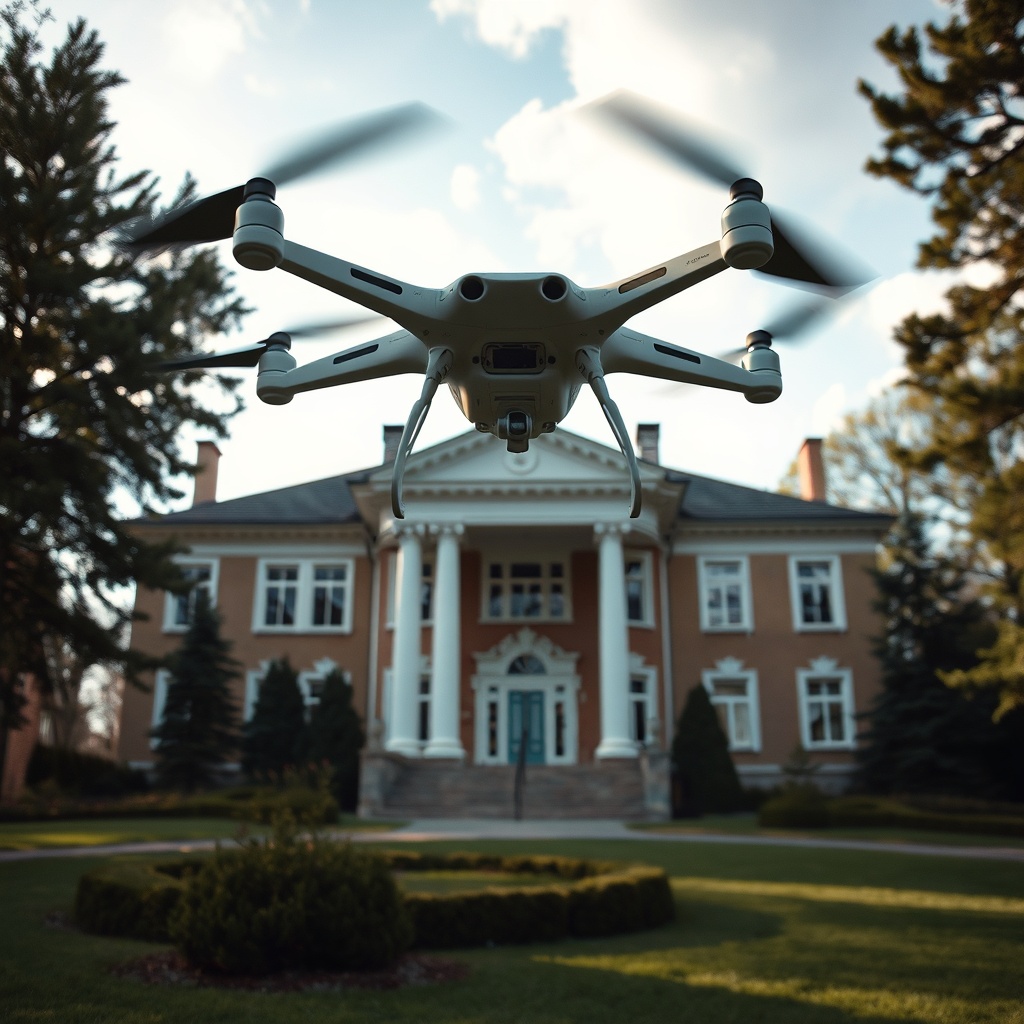
According to Russian officials, the drone attack on Putin's residence occurred on August 2023. The officials claimed that the attack was carried out by Ukraine, using a drone that was launched from Ukrainian territory. The attack reportedly caused minimal damage, but it sparked a significant response from Russia, which accused Ukraine of attempting to assassinate Putin.
Russia's allegations were met with a strong denial from Ukraine. President Zelensky stated that Ukraine had nothing to do with the attack, and that Russia was attempting to fabricate a pretext for further aggression. Zelensky also accused Russia of attempting to distract attention from its own human rights abuses and war crimes in Ukraine.
The incident has sparked a significant reaction from the international community. The United States, the European Union, and other Western countries have called for calm and restraint, while also expressing concern about the escalating tensions between Russia and Ukraine. The United Nations has also issued a statement, calling for an immediate end to hostilities and a return to diplomatic negotiations.
Implications of the Incident
The drone attack on Putin's residence has significant implications for the ongoing conflict between Ukraine and Russia. The incident has further escalated tensions between the two countries, and it has raised concerns about the potential for further violence. The incident has also highlighted the need for a diplomatic solution to the conflict, which has been ongoing for over eight years.
The incident has also sparked a debate about the use of drones in warfare. The use of drones has become increasingly common in recent years, with many countries using them for military purposes. However, the use of drones raises significant ethical and legal concerns, particularly in relation to civilian casualties and the potential for unintended consequences.
According to a report by the United Nations, the use of drones in warfare has resulted in significant civilian casualties. The report found that drones have been used to carry out attacks on civilian targets, including hospitals, schools, and residential areas. The report also found that the use of drones has resulted in significant psychological trauma, particularly for children and other vulnerable populations.
International Response
The international community has responded to the incident with a mix of concern and caution. The United States, the European Union, and other Western countries have called for calm and restraint, while also expressing concern about the escalating tensions between Russia and Ukraine.
The United Nations has also issued a statement, calling for an immediate end to hostilities and a return to diplomatic negotiations. The statement expressed concern about the potential for further violence and the need for a peaceful resolution to the conflict.
China, a key ally of Russia, has also responded to the incident. China's foreign ministry spokesperson stated that China is concerned about the escalating tensions between Russia and Ukraine, and that it calls for calm and restraint. China has also expressed support for a diplomatic solution to the conflict, and has offered to facilitate negotiations between the two countries.
Conclusion
The drone attack on Putin's residence has significant implications for the ongoing conflict between Ukraine and Russia. The incident has further escalated tensions between the two countries, and it has raised concerns about the potential for further violence. The incident has also highlighted the need for a diplomatic solution to the conflict, which has been ongoing for over eight years.
As the conflict continues to escalate, it is essential that the international community remains engaged and committed to finding a peaceful resolution. The use of drones in warfare raises significant ethical and legal concerns, and it is essential that countries prioritize the protection of civilians and the prevention of unintended consequences.
In the coming months, it will be crucial to monitor the situation closely and to work towards a diplomatic solution to the conflict. The international community must continue to call for calm and restraint, while also supporting efforts to negotiate a peaceful resolution. Ultimately, a lasting peace will require a commitment to diplomacy, dialogue, and cooperation between all parties involved.
The incident has also sparked a debate about the role of social media and journalism in reporting on conflicts. The use of social media has made it easier for people to access information and news, but it has also raised concerns about the spread of misinformation and propaganda.
According to a report by the Reuters Institute, the use of social media has changed the way people consume news and information. The report found that social media has become a key source of news and information, particularly for younger people. However, the report also found that social media has raised concerns about the spread of misinformation and propaganda, particularly in relation to conflicts and politics.
In conclusion, the drone attack on Putin's residence has significant implications for the ongoing conflict between Ukraine and Russia. The incident has further escalated tensions between the two countries, and it has raised concerns about the potential for further violence. The incident has also highlighted the need for a diplomatic solution to the conflict, which has been ongoing for over eight years. As the conflict continues to escalate, it is essential that the international community remains engaged and committed to finding a peaceful resolution.
Statistics:
- Over 13,000 people have been killed in the conflict between Ukraine and Russia since 2014.
- Over 1.5 million people have been displaced due to the conflict.
- The conflict has resulted in significant economic losses, with Ukraine's economy contracting by over 6% in 2015.
- The use of drones in warfare has resulted in significant civilian casualties, with over 1,000 civilians killed in drone attacks since 2014.
Examples:
- The conflict between Ukraine and Russia has resulted in significant humanitarian needs, with many people in need of food, shelter, and medical care.
- The use of drones in warfare has raised concerns about the potential for unintended consequences, particularly in relation to civilian casualties.
- The incident has sparked a debate about the role of social media and journalism in reporting on conflicts, with many people using social media to access information and news about the conflict.
Case studies:
- The conflict between Ukraine and Russia has been the subject of numerous case studies, with many researchers examining the causes and consequences of the conflict.
- The use of drones in warfare has been the subject of numerous case studies, with many researchers examining the ethical and legal implications of drone warfare.
- The incident has sparked a case study on the role of social media and journalism in reporting on conflicts, with many researchers examining the impact of social media on the dissemination of information and news about the conflict.

Leave a comment