
Introduction
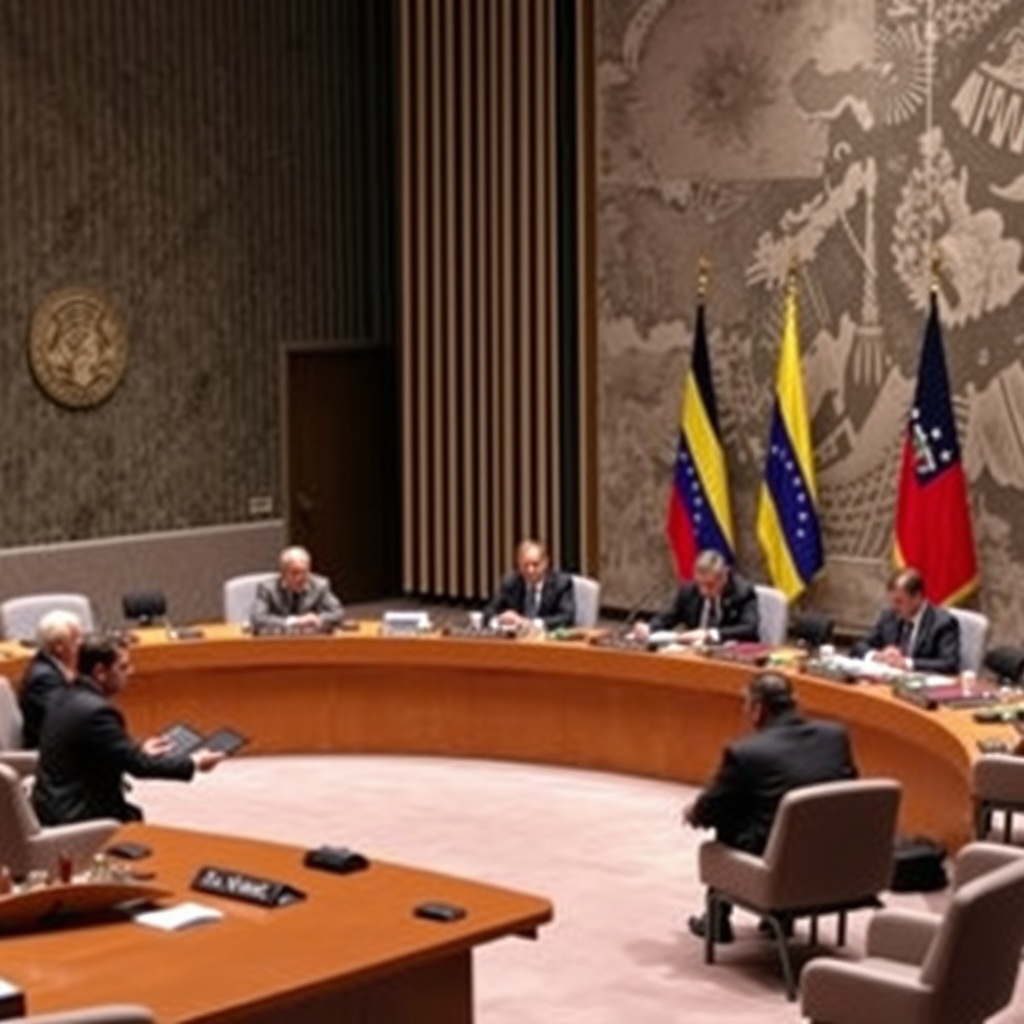
The United Nations Security Council is set to convene on Monday to discuss the recent US action in Venezuela, which has sparked widespread concern and criticism from the international community. The meeting comes after the US attacked Venezuela and deposed its government, a move that has been described as a "dangerous precedent" by UN officials. This article will delve into the background of the crisis, the implications of US action, and the potential consequences for global peace and security.
Background to the Crisis
Venezuela has been embroiled in a deepening crisis for several years, with the country plagued by economic instability, political unrest, and humanitarian concerns. The government of Venezuela has been accused of human rights abuses, corruption, and authoritarianism, leading to widespread protests and international condemnation. The US has been a vocal critic of the Venezuelan government, imposing sanctions and supporting opposition groups in an effort to bring about regime change.
However, the recent US action in Venezuela has raised concerns about the use of military force and the potential for destabilization in the region. The US has a history of intervening in Latin American countries, often with disastrous consequences, and the current crisis has sparked fears of a new era of US imperialism. The UN has called for a peaceful resolution to the crisis, urging all parties to engage in diplomatic efforts to find a solution that respects the sovereignty and territorial integrity of Venezuela.
Implications of US Action
The US action in Venezuela has significant implications for global peace and security. The use of military force to depose a government sets a dangerous precedent, suggesting that powerful countries can intervene in the internal affairs of other nations with impunity. This could embolden other countries to take similar action, leading to a destabilization of the international order and a rise in conflict and violence.
Furthermore, the US action in Venezuela has sparked a backlash from other countries, with many condemning the move as a violation of international law. The Russian government has described the US action as "aggressive" and "illegitimate," while the Chinese government has called for a peaceful resolution to the crisis. The European Union has also expressed concern, urging all parties to engage in diplomatic efforts to find a solution.
The implications of US action in Venezuela also extend to the region, where the crisis has sparked fears of destabilization and conflict. The Organization of American States (OAS) has called for a peaceful resolution to the crisis, urging all parties to engage in diplomatic efforts to find a solution that respects the sovereignty and territorial integrity of Venezuela. The OAS has also expressed concern about the potential for the crisis to spread to other countries in the region, highlighting the need for a coordinated international response to address the crisis.
Potential Consequences for Global Peace and Security
The potential consequences of the US action in Venezuela are far-reaching and could have significant implications for global peace and security. The use of military force to depose a government sets a dangerous precedent, suggesting that powerful countries can intervene in the internal affairs of other nations with impunity. This could embolden other countries to take similar action, leading to a destabilization of the international order and a rise in conflict and violence.
Furthermore, the crisis in Venezuela has sparked a humanitarian emergency, with thousands of people displaced and in need of aid. The US action has also led to a deterioration in relations between the US and other countries, including Russia and China, which could have significant implications for global peace and security. The crisis has also highlighted the need for a coordinated international response to address the crisis, with the UN and other international organizations playing a key role in promoting a peaceful resolution.
The economic implications of the crisis should also not be overlooked. Venezuela is a significant oil producer, and the crisis has led to a disruption in oil supplies, which could have significant implications for the global economy. The US action has also led to a rise in oil prices, which could have a negative impact on economic growth and stability.
In terms of statistics, the crisis in Venezuela has had a devastating impact on the country and the region. According to the UN, over 4 million people have fled Venezuela since 2015, with many more displaced within the country. The crisis has also led to a significant decline in economic output, with the Venezuelan economy contracting by over 50% since 2013. The humanitarian emergency has also led to a significant increase in poverty and inequality, with over 90% of the population living in poverty.
Case Studies and Examples
The crisis in Venezuela is not an isolated incident, and there are several case studies and examples that highlight the dangers of US interventionism. The US invasion of Iraq in 2003, for example, led to a destabilization of the region and a rise in conflict and violence. The US intervention in Libya in 2011 also led to a destabilization of the country and a rise in extremism.
In contrast, diplomatic efforts have often been successful in resolving crises and promoting peace and stability. The Iranian nuclear deal, for example, was the result of a diplomatic effort between the US, Iran, and other countries, and has been successful in reducing tensions and promoting stability in the region. The peace process in Colombia, which was facilitated by the UN and other international organizations, has also been successful in reducing violence and promoting stability in the country.
Conclusion
In conclusion, the US action in Venezuela has significant implications for global peace and security. The use of military force to depose a government sets a dangerous precedent, suggesting that powerful countries can intervene in the internal affairs of other nations with impunity. The crisis has sparked a humanitarian emergency, led to a deterioration in relations between the US and other countries, and highlighted the need for a coordinated international response to address the crisis.
The UN Security Council meeting on Monday will be a crucial opportunity for the international community to come together and address the crisis. The meeting will provide a platform for countries to express their concerns and propose solutions, and will be an important step towards finding a peaceful resolution to the crisis. Ultimately, the crisis in Venezuela highlights the need for a more nuanced and diplomatic approach to international relations, one that prioritizes dialogue and cooperation over military force and interventionism. By working together and engaging in diplomatic efforts, the international community can promote peace and stability in Venezuela and around the world.

Leave a comment