
Introduction
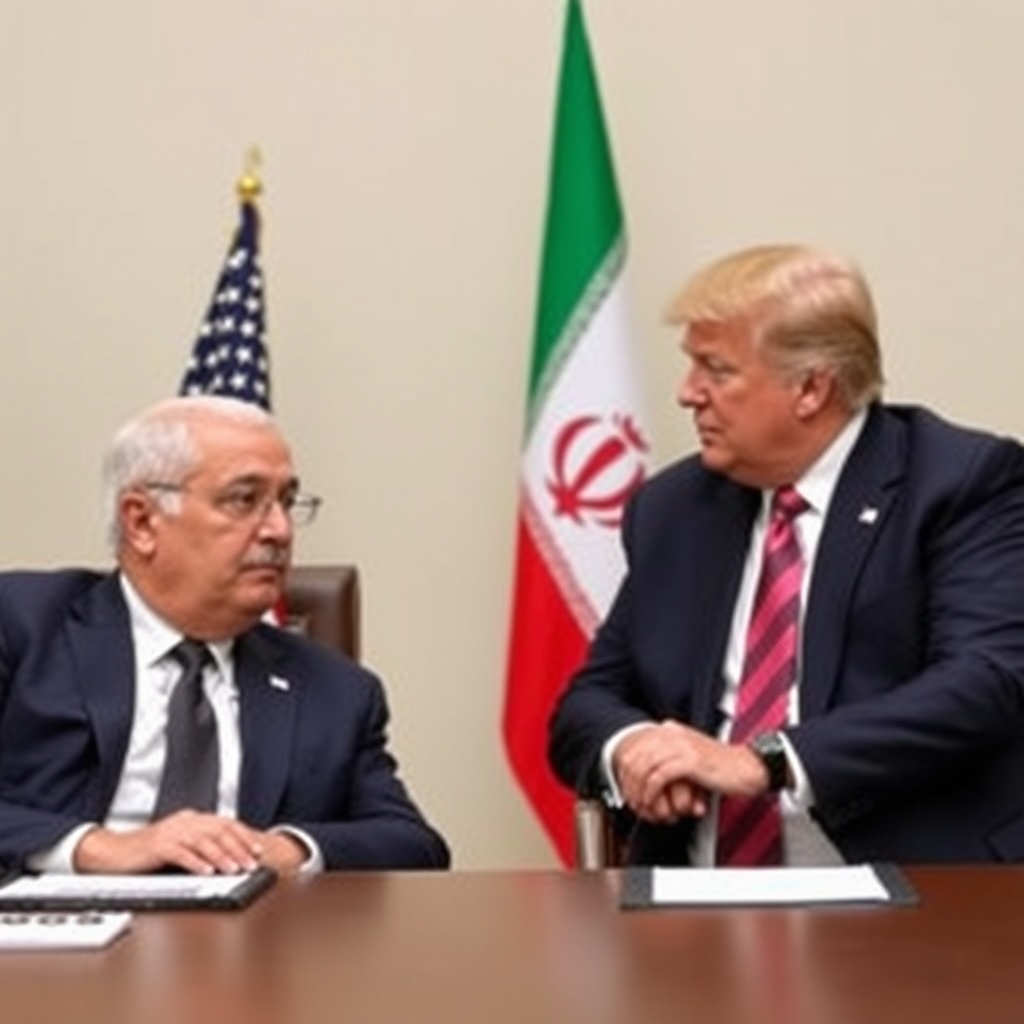
The United States and Iran have been engaged in a long-standing dispute over Iran's nuclear program, with the international community closely watching the developments. Recently, talks between the two nations took place in Geneva, with the aim of reviving the Joint Comprehensive Plan of Action (JCPOA), also known as the Iran nuclear deal. According to a U.S. official, the talks "made progress," but "there are still a lot of details to discuss." This article will delve into the history of the Iran nuclear deal, the current state of the talks, and the potential implications of a successful agreement.
Background of the Iran Nuclear Deal
The Iran nuclear deal, signed in 2015, was a landmark agreement between Iran, the United States, the United Kingdom, France, Germany, China, and Russia. The deal aimed to limit Iran's nuclear program in exchange for relief from economic sanctions. The agreement imposed strict limitations on Iran's nuclear activities, including the number of centrifuges it could operate, the level of uranium enrichment, and the amount of low-enriched uranium it could possess. In return, the international community agreed to lift economic sanctions, which had crippled Iran's economy.
However, in 2018, the United States withdrew from the deal, citing concerns over Iran's ballistic missile program and its support for terrorist organizations. The U.S. reimposed sanctions on Iran, which led to a significant escalation of tensions between the two nations. Iran responded by gradually increasing its nuclear activities, exceeding the limits set by the JCPOA.
Current State of the Talks
The recent talks in Geneva mark a significant development in the efforts to revive the Iran nuclear deal. The talks were attended by representatives from the United States, Iran, and the European Union, which has been playing a mediating role in the negotiations. According to a U.S. official, the talks "made progress," but "there are still a lot of details to discuss." This suggests that while there is a willingness to move forward, significant challenges remain.
One of the main sticking points in the negotiations is the issue of sanctions relief. Iran is demanding that the United States lift all sanctions imposed since the U.S. withdrawal from the deal, including those related to its ballistic missile program and support for terrorism. The United States, on the other hand, is insisting that Iran must first return to full compliance with the JCPOA.
Another challenge facing the negotiations is the issue of verification. The International Atomic Energy Agency (IAEA) has been responsible for monitoring Iran's nuclear activities under the JCPOA. However, Iran has been limiting the IAEA's access to its nuclear facilities, making it difficult to verify its compliance with the deal.
Implications of a Successful Agreement
A successful agreement between the United States and Iran would have significant implications for the region and the world. Firstly, it would reduce the risk of a nuclear arms race in the Middle East, which would have devastating consequences for regional stability. Secondly, it would provide a much-needed boost to the Iranian economy, which has been suffering under the weight of sanctions.
A deal would also have significant implications for the global economy. Iran is a major oil producer, and a lifting of sanctions would allow it to increase its oil exports, which would help to stabilize global energy markets. Additionally, a deal would provide a significant boost to international trade, as Iran would be able to re-engage with the global economy.
However, a successful agreement would also face significant challenges. The deal would need to be approved by the U.S. Congress, which has been skeptical of the agreement. Additionally, Israel and other regional allies of the United States have expressed concerns over the deal, citing the threat posed by Iran's nuclear program.
Case Studies and Examples
The Iran nuclear deal is not the only example of a successful diplomatic effort to limit a nation's nuclear program. The Agreed Framework, signed in 1994 between the United States and North Korea, is another example of a successful agreement. The framework aimed to freeze North Korea's nuclear program in exchange for economic aid and diplomatic recognition. Although the agreement ultimately collapsed, it provides a useful example of the challenges and opportunities involved in negotiating with a nation over its nuclear program.
Another example is the Nuclear Non-Proliferation Treaty (NPT), which has been successful in preventing the spread of nuclear weapons to new nations. The NPT has been signed by almost every nation in the world, and it has provided a framework for international cooperation on nuclear non-proliferation.
Statistics and Data
The Iran nuclear deal has been the subject of significant scrutiny and analysis. According to a report by the Congressional Research Service, the deal has been successful in limiting Iran's nuclear program. The report found that Iran's nuclear activities have been significantly reduced since the implementation of the deal, and that the IAEA has been able to verify Iran's compliance with the agreement.
However, the report also noted that the deal has faced significant challenges, including the issue of sanctions relief and the challenge of verification. The report concluded that a successful agreement would require significant diplomatic effort and cooperation between the United States, Iran, and the international community.
Conclusion
The recent talks between the United States and Iran in Geneva mark a significant development in the efforts to revive the Iran nuclear deal. While challenges remain, the fact that the talks "made progress" suggests that there is a willingness to move forward. A successful agreement would have significant implications for the region and the world, including reducing the risk of a nuclear arms race and providing a boost to the Iranian economy.
However, a successful agreement would also face significant challenges, including the need for approval from the U.S. Congress and the concerns of regional allies. The international community must continue to support diplomatic efforts to resolve the dispute over Iran's nuclear program, and to work towards a comprehensive and lasting agreement that addresses the concerns of all parties involved.
As the world watches the developments in the U.S.-Iran nuclear talks, one thing is clear: a successful agreement would be a significant achievement for international diplomacy and a major step towards reducing the risk of conflict in the Middle East. The talks in Geneva are just the beginning of a long and challenging process, but they provide a glimmer of hope for a more peaceful and stable future.

Leave a comment