
Introduction
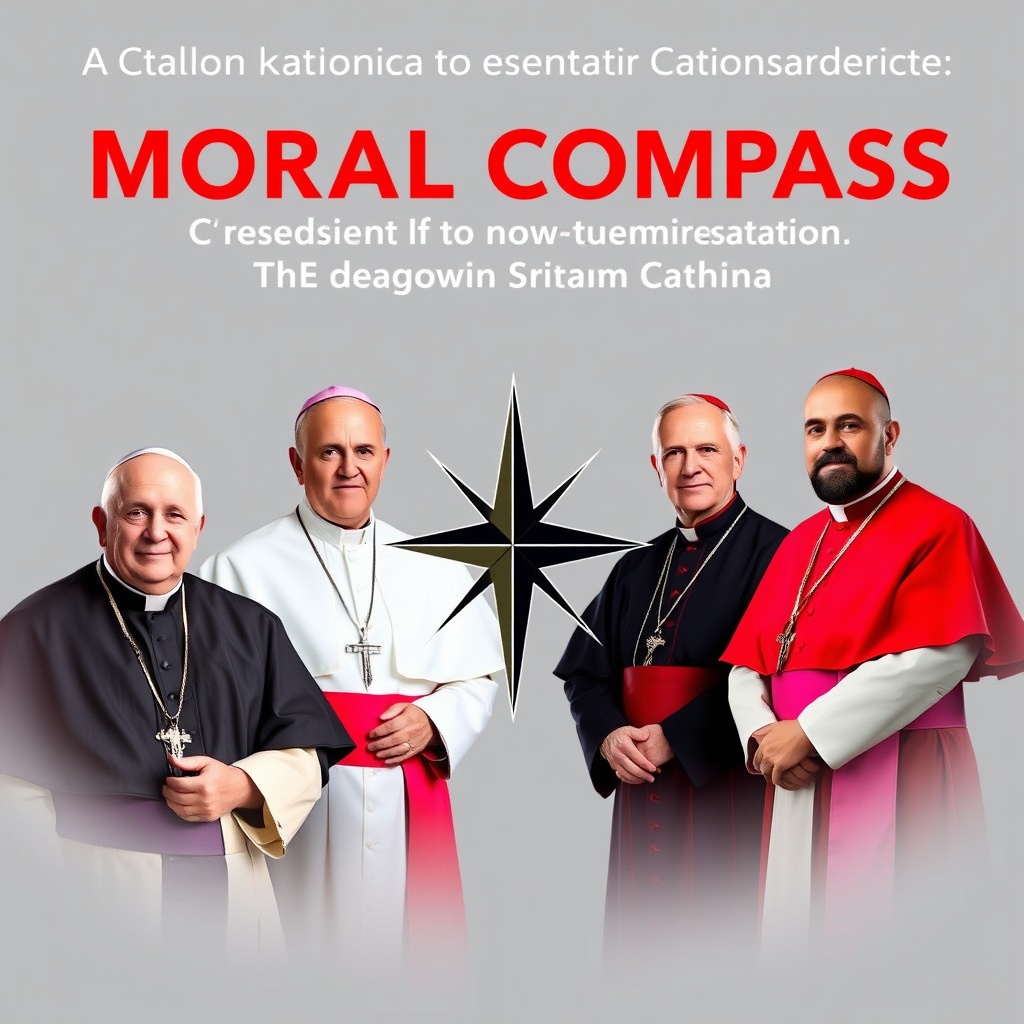
The world of international relations is often dominated by discussions of power, politics, and economic interests. However, a group of prominent US Catholic cardinals is urging the Trump administration to consider a different approach to foreign policy, one guided by a moral compass. This call to action is rooted in the belief that a morally informed foreign policy can lead to more just, peaceful, and equitable outcomes for all nations and peoples. In this article, we will explore the context and implications of this appeal, examining the role of moral principles in shaping US foreign policy and the potential benefits of embracing a more values-driven approach.
The Role of Moral Principles in US Foreign Policy
The idea of a moral compass in foreign policy is not new. Throughout history, US leaders have grappled with the tension between pursuing national interests and upholding moral principles. The US Catholic cardinals' appeal is part of a broader conversation about the need for a more principled approach to international relations. This conversation is informed by a range of moral and ethical considerations, including the protection of human rights, the promotion of social justice, and the preservation of peace and security.
The US Conference of Catholic Bishops has been a vocal advocate for a more morally informed foreign policy. In a 2018 statement, the bishops emphasized the importance of promoting human dignity, protecting the vulnerable, and advancing the common good in international relations. This approach is grounded in Catholic social teaching, which emphasizes the need for solidarity, justice, and peace in all aspects of human life.
The Trump Administration's Foreign Policy Approach
The Trump administration's foreign policy approach has been marked by a focus on national interests, often at the expense of multilateral cooperation and moral considerations. The administration's "America First" policy has been criticized for prioritizing short-term gains over long-term strategic interests and for undermining international institutions and norms.
However, the administration has also taken steps to promote religious freedom and protect persecuted religious minorities around the world. The State Department's Commission on Unalienable Rights, established in 2019, has been tasked with providing guidance on human rights issues and promoting a more nuanced understanding of human dignity and moral principles in international relations.
Case Studies: The Impact of Moral Principles on US Foreign Policy
There are several examples of how moral principles have shaped US foreign policy in recent years. The US response to the Syrian refugee crisis, for instance, was influenced by a combination of humanitarian concerns and moral obligations. In 2015, the Obama administration announced plans to accept 10,000 Syrian refugees, citing the need to protect vulnerable populations and uphold American values of compassion and generosity.
Another example is the US role in promoting human rights and democracy in countries such as Cuba and Venezuela. The Trump administration's policy towards these countries has been marked by a strong emphasis on human rights and democracy promotion, reflecting a commitment to moral principles and a desire to promote positive change in the region.
The Benefits of a Morally Informed Foreign Policy
Embracing a morally informed foreign policy can have a range of benefits for the US and the global community. By prioritizing human dignity, social justice, and peace, the US can promote more stable and equitable international relations, foster greater cooperation and trust among nations, and advance the common good.
A morally informed foreign policy can also enhance US credibility and influence around the world. When the US is seen as a champion of moral principles and human rights, it is more likely to be respected and admired by other nations. This, in turn, can create opportunities for cooperation and collaboration on a range of global challenges, from climate change to pandemics and economic development.
Conclusion
The appeal by US Catholic cardinals for the Trump administration to embrace a moral compass in foreign policy reflects a deeper conversation about the role of moral principles in international relations. As the US navigates an increasingly complex and interconnected world, it is clear that a more values-driven approach to foreign policy can have significant benefits for the nation and the global community.
By prioritizing human dignity, social justice, and peace, the US can promote more just and equitable outcomes for all nations and peoples. This requires a commitment to moral principles and a willingness to engage in difficult conversations about the ethical dimensions of foreign policy. As the US looks to the future, it is essential that policymakers and leaders consider the importance of a moral compass in guiding the nation's interactions with the world.
In the words of Pope Francis, "a moral compass is essential for navigating the complexities of international relations." The US Catholic cardinals' appeal is a timely reminder of the need for a more principled approach to foreign policy, one that prioritizes human dignity, social justice, and peace. As the US continues to play a leading role in global affairs, it is essential that the nation's leaders embrace a moral compass and work towards creating a more just and peaceful world for all.
Some statistics that support the importance of a moral compass in foreign policy include: - A 2020 survey by the Pew Research Center found that 64% of Americans believe that the US should take into account the human rights records of other countries when deciding whether to engage in diplomatic relations or provide foreign aid. - A 2019 report by the Council on Foreign Relations noted that the US has a long history of promoting human rights and democracy around the world, with significant investments in programs aimed at supporting civil society, promoting the rule of law, and protecting vulnerable populations. - According to a 2018 study by the Brookings Institution, the US can promote its national interests and advance its values by engaging in strategic diplomacy, building partnerships with other nations, and supporting international institutions and norms.
Overall, the appeal by US Catholic cardinals for the Trump administration to embrace a moral compass in foreign policy reflects a deeper conversation about the role of moral principles in international relations. By prioritizing human dignity, social justice, and peace, the US can promote more just and equitable outcomes for all nations and peoples, and create a more stable and prosperous world for generations to come.

Leave a comment