
Introduction
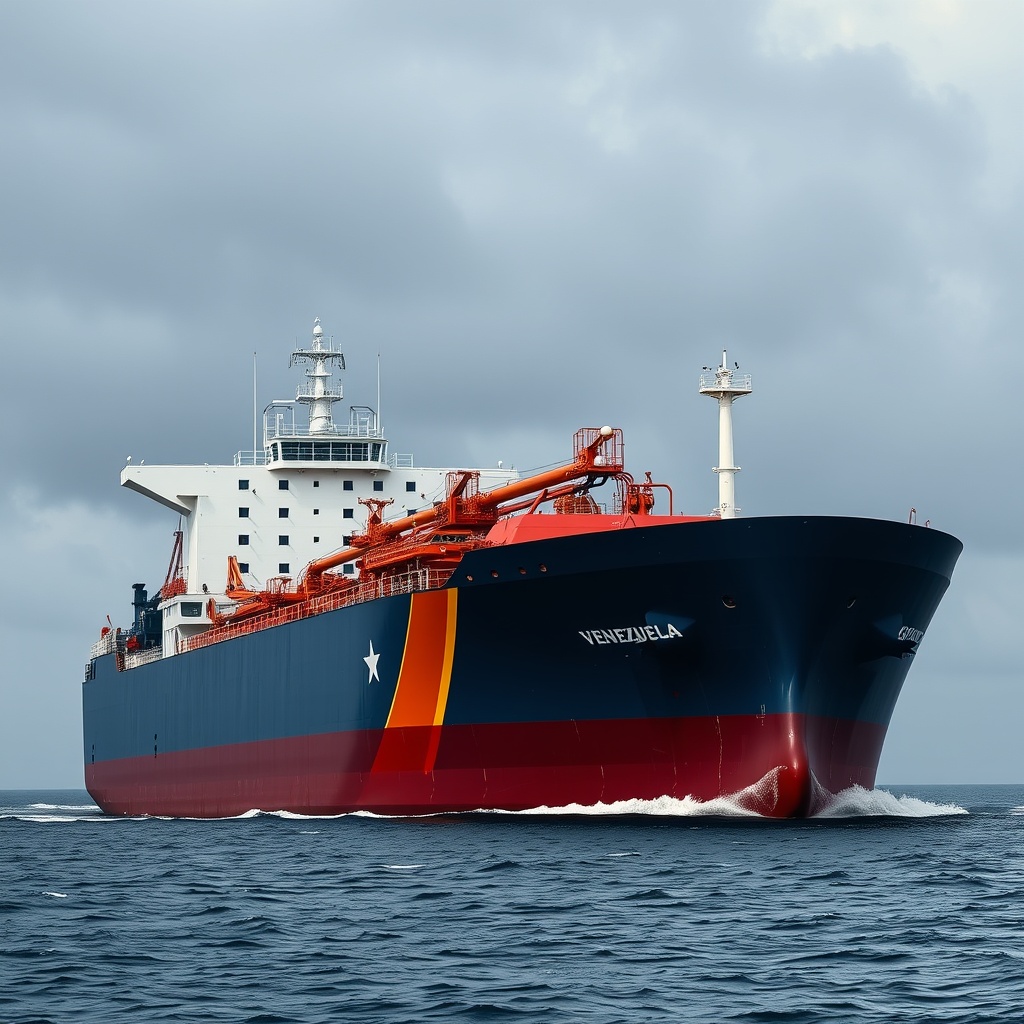
The United States Coast Guard has been involved in a significant operation, boarding a Panamanian-flagged tanker carrying Venezuelan oil. This event, which occurred late Friday or early Saturday, has sparked interest and concern regarding the ongoing situation between the U.S. and Venezuela. The U.S. has imposed economic sanctions on Venezuela, including restrictions on its oil exports, in an effort to pressure the Venezuelan government to reform. The boarding of the tanker is a notable development in this context, and it raises important questions about the enforcement of these sanctions and the role of the U.S. Coast Guard in this effort.
Background on U.S.-Venezuela Relations
The relationship between the United States and Venezuela has been strained for many years, with the U.S. imposing economic sanctions on the country in response to concerns about its government's human rights record, democratic backsliding, and economic mismanagement. One of the key sectors affected by these sanctions is the oil industry, which is a critical component of Venezuela's economy. The U.S. has sought to limit Venezuela's ability to export oil, which is its main source of revenue, in an effort to pressure the government to implement reforms.
The sanctions have had a significant impact on Venezuela's economy, leading to widespread poverty, shortages of food and medicine, and a large-scale migration of Venezuelans to other countries. Despite these challenges, the Venezuelan government has continued to defy U.S. pressure, and the country's oil industry remains a key point of contention between the two nations.
The Role of the U.S. Coast Guard
The U.S. Coast Guard plays a critical role in enforcing U.S. laws and regulations related to maritime activities, including the shipment of oil. The Coast Guard has the authority to board and inspect vessels that are suspected of violating U.S. laws or regulations, and it works closely with other U.S. agencies, such as the Department of State and the Department of the Treasury, to enforce sanctions and prevent the illicit shipment of goods.
In the case of the Panamanian-flagged tanker, the U.S. Coast Guard reportedly stopped and boarded the vessel in order to verify its cargo and ensure that it was not violating U.S. sanctions. This operation is an example of the Coast Guard's efforts to enforce U.S. laws and regulations related to maritime activities, and it highlights the importance of the Coast Guard's role in protecting U.S. national security and economic interests.
According to a U.S. official, the boarding of the tanker was a routine operation, and the vessel was allowed to continue on its journey after it was determined that it was not in violation of U.S. sanctions. However, the incident has sparked concern and speculation about the potential consequences of the U.S. sanctions on Venezuela's oil industry, and the role of the U.S. Coast Guard in enforcing these sanctions.
Economic and Political Implications
The boarding of the tanker has significant economic and political implications, both for the United States and Venezuela. The U.S. sanctions on Venezuela's oil industry have had a major impact on the country's economy, and the Venezuelan government has accused the U.S. of attempting to strangle its economy through these sanctions.
The sanctions have also had an impact on the global oil market, as Venezuela is a significant oil producer and exporter. The reduction in Venezuelan oil exports has led to increased prices and volatility in the global oil market, which has had a ripple effect on the economies of other countries that rely on oil imports.
In terms of politics, the boarding of the tanker is a significant development in the ongoing dispute between the U.S. and Venezuela. The Venezuelan government has accused the U.S. of violating its sovereignty and interfering in its internal affairs, and the incident has sparked outrage and condemnation from Venezuelan officials.
The U.S. government, on the other hand, has defended its actions as necessary to enforce its laws and protect its national security and economic interests. The incident has highlighted the deep divisions and tensions between the two countries, and it is likely to have significant implications for the future of U.S.-Venezuela relations.
Case Studies and Statistics
The impact of the U.S. sanctions on Venezuela's oil industry can be seen in the significant decline in the country's oil production and exports. According to data from the U.S. Energy Information Administration, Venezuela's oil production declined from 2.3 million barrels per day in 2016 to just over 700,000 barrels per day in 2022.
The sanctions have also had a major impact on the Venezuelan economy, with the country's GDP declining by over 60% since 2013. The poverty rate in Venezuela has increased significantly, with over 90% of the population living in poverty, according to a report by the United Nations.
The U.S. Coast Guard's role in enforcing the sanctions has been critical, with the agency conducting numerous boardings and inspections of vessels suspected of violating U.S. laws and regulations. According to the U.S. Coast Guard, the agency has conducted over 100 boardings and inspections of vessels in the past year alone, resulting in the seizure of millions of dollars' worth of illicit goods.
Conclusion
The boarding of the Panamanian-flagged tanker carrying Venezuelan oil is a significant development in the ongoing dispute between the U.S. and Venezuela. The incident highlights the critical role of the U.S. Coast Guard in enforcing U.S. laws and regulations related to maritime activities, and it underscores the importance of the Coast Guard's efforts to protect U.S. national security and economic interests.
The economic and political implications of the incident are significant, with the potential to exacerbate tensions between the U.S. and Venezuela and to have a major impact on the global oil market. As the situation continues to unfold, it is likely that the U.S. Coast Guard will play a critical role in enforcing U.S. sanctions and protecting U.S. interests in the region.
In the future, it is likely that the U.S. Coast Guard will continue to be involved in operations to enforce U.S. sanctions and protect U.S. national security and economic interests. The agency's efforts will be critical in preventing the illicit shipment of goods and in protecting the integrity of the global oil market.
As the global economy continues to evolve and become increasingly interconnected, the role of the U.S. Coast Guard in enforcing U.S. laws and regulations related to maritime activities will become even more important. The agency's efforts will be critical in protecting U.S. national security and economic interests, and in ensuring the safety and security of the global maritime trade.
In conclusion, the boarding of the Panamanian-flagged tanker carrying Venezuelan oil is a significant development in the ongoing dispute between the U.S. and Venezuela. The incident highlights the critical role of the U.S. Coast Guard in enforcing U.S. laws and regulations related to maritime activities, and it underscores the importance of the Coast Guard's efforts to protect U.S. national security and economic interests. As the situation continues to unfold, it is likely that the U.S. Coast Guard will play a critical role in enforcing U.S. sanctions and protecting U.S. interests in the region.

Leave a comment