
Introduction
The United States has been involved in a recent maritime incident off the coast of Venezuela, where two individuals have been detained after their vessel was attacked in the Caribbean. According to reports, the survivors are being held by US authorities, with US President Donald Trump claiming that the vessel was involved in illicit activities, specifically drug trafficking. This incident has raised questions about the US's role in combating drug trafficking in the region and its relationship with Venezuela, a country with which it has had strained relations in recent years. This article will provide an in-depth look at the incident, the context surrounding it, and the implications for US-Venezuela relations.
Background on US-Venezuela Relations
The relationship between the United States and Venezuela has been tense for several years, with the US imposing economic sanctions on Venezuela and recognizing opposition leader Juan Guaidó as the country's interim president. The US has also accused Venezuela of being a major transit point for cocaine and other illicit substances, with the country's location on the Caribbean coast making it a strategic point for drug traffickers. In response, Venezuela has accused the US of interfering in its internal affairs and attempting to destabilize its government. The recent incident involving the detention of survivors from the "drug boat" has further complicated relations between the two countries.
The US has a long history of involvement in counter-narcotics efforts in the Caribbean, with the US Coast Guard and other agencies working to intercept and disrupt drug trafficking operations in the region. However, the US's approach to combating drug trafficking has been criticized by some as being overly focused on interdiction, rather than addressing the root causes of the problem, such as poverty and lack of economic opportunities. The incident off the coast of Venezuela highlights the need for a more comprehensive approach to addressing drug trafficking, one that takes into account the complex social and economic factors that drive this phenomenon.
The Incident: What We Know
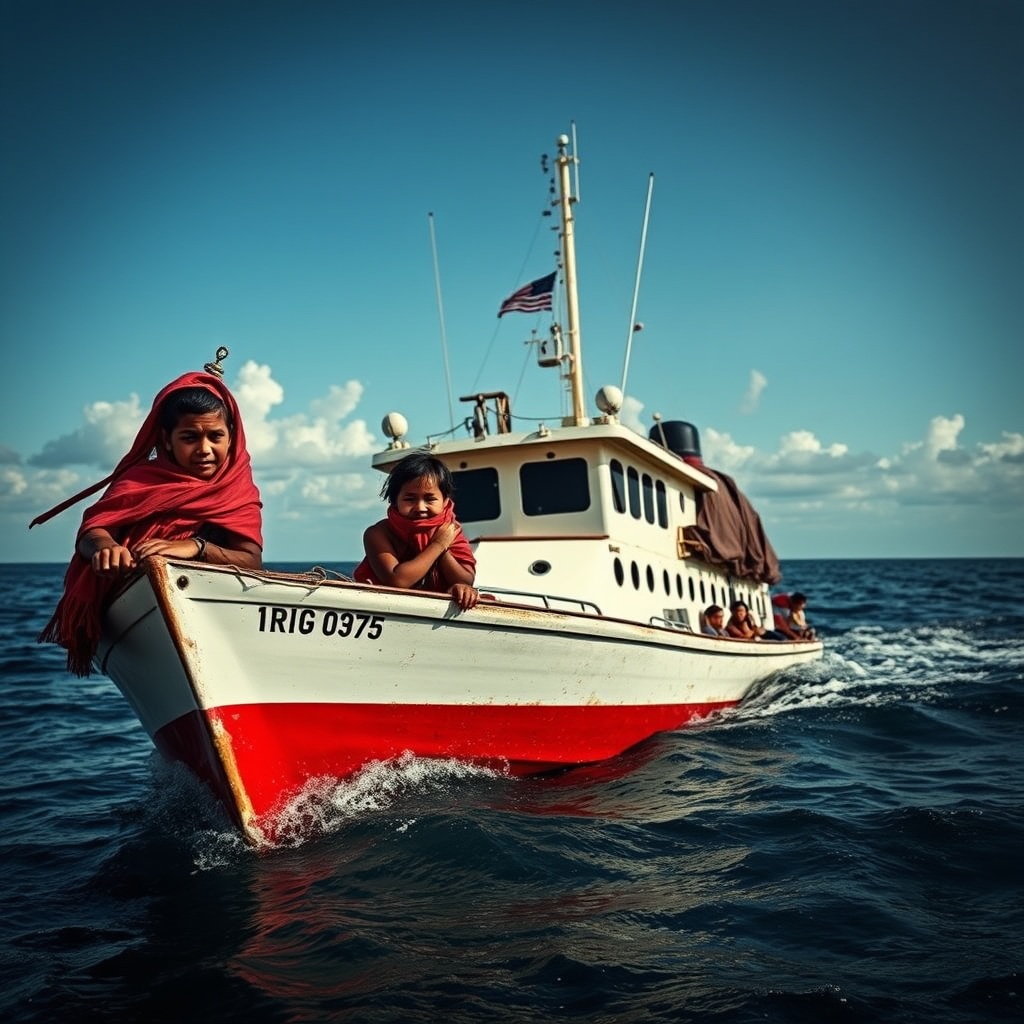
According to reports, the incident occurred when a vessel was attacked in the Caribbean, resulting in the deaths of several individuals on board. Two survivors were rescued and are currently being held by US authorities. The US has claimed that the vessel was involved in drug trafficking, with President Trump stating that it was a "drug boat" that had been intercepted by US authorities. However, few details have been released about the incident, including the nationality of the individuals involved and the specific circumstances surrounding the attack.
The incident has raised questions about the use of force by US authorities in the Caribbean and the treatment of survivors from the vessel. Human rights groups have expressed concern about the detention of the survivors, citing the need for US authorities to ensure that their rights are respected and that they are provided with adequate medical care and other support. The incident has also highlighted the need for greater transparency and accountability in US counter-narcotics efforts, particularly in cases where the use of force is involved.
Implications for US-Venezuela Relations
The detention of survivors from the "drug boat" has significant implications for US-Venezuela relations, which were already strained prior to the incident. The US's claim that the vessel was involved in drug trafficking has been seized upon by Venezuelan authorities, who have accused the US of attempting to destabilize the country and interfere in its internal affairs. The incident has also highlighted the need for a more constructive approach to addressing drug trafficking, one that involves cooperation and dialogue between the US and Venezuela, rather than confrontation and recrimination.
The US's approach to combating drug trafficking in the Caribbean has been criticized by some as being overly militarized, with a focus on interdiction and enforcement rather than addressing the root causes of the problem. The incident off the coast of Venezuela highlights the need for a more nuanced approach, one that takes into account the complex social and economic factors that drive drug trafficking. This could involve increased cooperation with regional partners, including Venezuela, to address the root causes of drug trafficking and provide alternative economic opportunities for individuals involved in the trade.
Case Studies: Successful Counter-Narcotics Efforts
There are several examples of successful counter-narcotics efforts in the Caribbean, which could provide a model for US-Venezuela cooperation. For example, the US has worked with the government of Colombia to implement a comprehensive approach to addressing drug trafficking, which has involved a combination of interdiction, enforcement, and alternative development programs. This approach has shown promising results, with a significant reduction in coca cultivation and cocaine production in Colombia in recent years.
Another example is the US's cooperation with the government of Jamaica, which has involved a focus on addressing the root causes of drug trafficking, such as poverty and lack of economic opportunities. The US has provided support for alternative development programs in Jamaica, including initiatives to promote economic development and provide job training and education for individuals involved in the drug trade. This approach has shown promise, with a reduction in drug-related violence and crime in Jamaica in recent years.
Statistics: The Scope of the Problem
The scope of the drug trafficking problem in the Caribbean is significant, with the region serving as a major transit point for cocaine and other illicit substances. According to the US Drug Enforcement Administration (DEA), the majority of cocaine seized in the US originates from Colombia, with much of it being trafficked through the Caribbean. The DEA has reported that the Caribbean is also a significant transit point for other illicit substances, including heroin and marijuana.
The economic costs of drug trafficking in the Caribbean are also significant, with the region losing billions of dollars each year to drug-related crime and violence. According to a report by the Caribbean Development Bank, the economic costs of drug trafficking in the region are estimated to be around $3 billion per year, with the majority of these costs being borne by the private sector. The report also notes that drug trafficking has a significant impact on public health and safety in the region, with high levels of drug-related violence and crime.
Conclusion
The detention of survivors from the "drug boat" off the coast of Venezuela highlights the complex and challenging nature of drug trafficking in the Caribbean. The incident has significant implications for US-Venezuela relations, which were already strained prior to the incident. To address the root causes of drug trafficking, the US and Venezuela must work together to implement a comprehensive approach that involves cooperation, dialogue, and a focus on addressing the social and economic factors that drive this phenomenon. This could involve increased support for alternative development programs, job training and education initiatives, and other efforts to promote economic development and reduce poverty in the region.
The US's approach to combating drug trafficking in the Caribbean must also be more nuanced, taking into account the complex social and economic factors that drive this phenomenon. This could involve a greater focus on addressing the root causes of drug trafficking, rather than simply interdicting and enforcing against drug traffickers. By working together and implementing a comprehensive approach, the US and Venezuela can make significant progress in reducing drug trafficking and promoting economic development and stability in the region. Ultimately, this will require a long-term commitment to cooperation and dialogue, as well as a willingness to address the complex and challenging issues that underlie the drug trafficking problem in the Caribbean.

Leave a comment