
Introduction
The United States and Iran are set to engage in crucial nuclear talks on Friday, amidst a significant military buildup in the region. The meeting, scheduled to take place in Istanbul, will bring together White House envoy Steve Witkoff and Iranian Foreign Minister Abbas Araghchi, along with representatives from other key nations. This development comes at a time of heightened tensions between the two countries, with the U.S. having recently increased its military presence in the Middle East. As the world watches with bated breath, the success of these talks could have far-reaching implications for global security and stability. In this article, we will delve into the background of the U.S.-Iran nuclear dispute, the current state of negotiations, and the potential outcomes of these talks.
Historical Context of U.S.-Iran Nuclear Dispute
The U.S.-Iran nuclear dispute has its roots in the early 2000s, when Iran's nuclear program was first discovered. The international community, led by the United States, expressed concerns that Iran's nuclear activities were aimed at developing a nuclear bomb, which Iran denied. In 2015, the U.S., Iran, and other world powers signed the Joint Comprehensive Plan of Action (JCPOA), also known as the Iran nuclear deal. The agreement imposed strict limits on Iran's nuclear program in exchange for relief from economic sanctions. However, in 2018, the U.S. withdrew from the JCPOA, citing concerns that the agreement did not do enough to prevent Iran from developing a nuclear bomb. Since then, tensions between the U.S. and Iran have escalated, with both sides engaging in a series of tit-for-tat actions.
The U.S. has reimposed sanctions on Iran, which have had a devastating impact on the country's economy. Iran, in response, has begun to breach the limits imposed by the JCPOA, including enriching uranium to higher levels and developing new centrifuges. The situation has been further complicated by a series of attacks on oil tankers and pipelines in the Middle East, which the U.S. has blamed on Iran. In June 2019, Iran shot down a U.S. drone, which it claimed had entered its airspace, leading to a significant escalation of tensions. The U.S. responded by launching a cyberattack on Iran's military computer systems and imposing additional sanctions on the country's leaders.
Current State of Negotiations
The upcoming talks in Istanbul are seen as a crucial opportunity for the U.S. and Iran to break the deadlock and find a way forward. The meeting will be attended by representatives from the European Union, China, and Russia, all of which were signatories to the JCPOA. The talks are expected to focus on finding a mutually acceptable solution that addresses the concerns of both sides. The U.S. is likely to push for stricter limits on Iran's nuclear program, as well as greater transparency and monitoring. Iran, on the other hand, is expected to demand relief from sanctions and recognition of its right to a peaceful nuclear program.
The success of these talks will depend on the ability of the parties to find common ground and make compromises. The U.S. will need to be willing to offer significant sanctions relief, while Iran will need to be willing to accept stricter limits on its nuclear program. The European Union, China, and Russia will play a crucial role in facilitating the talks and finding a solution that is acceptable to all parties. According to a recent report by the International Crisis Group, the talks are likely to be complex and challenging, but there are reasons to be optimistic. The report notes that both the U.S. and Iran have expressed a willingness to negotiate and that there are potential areas of agreement, such as a phased approach to sanctions relief and a more robust monitoring and verification regime.
Military Buildup and Regional Implications
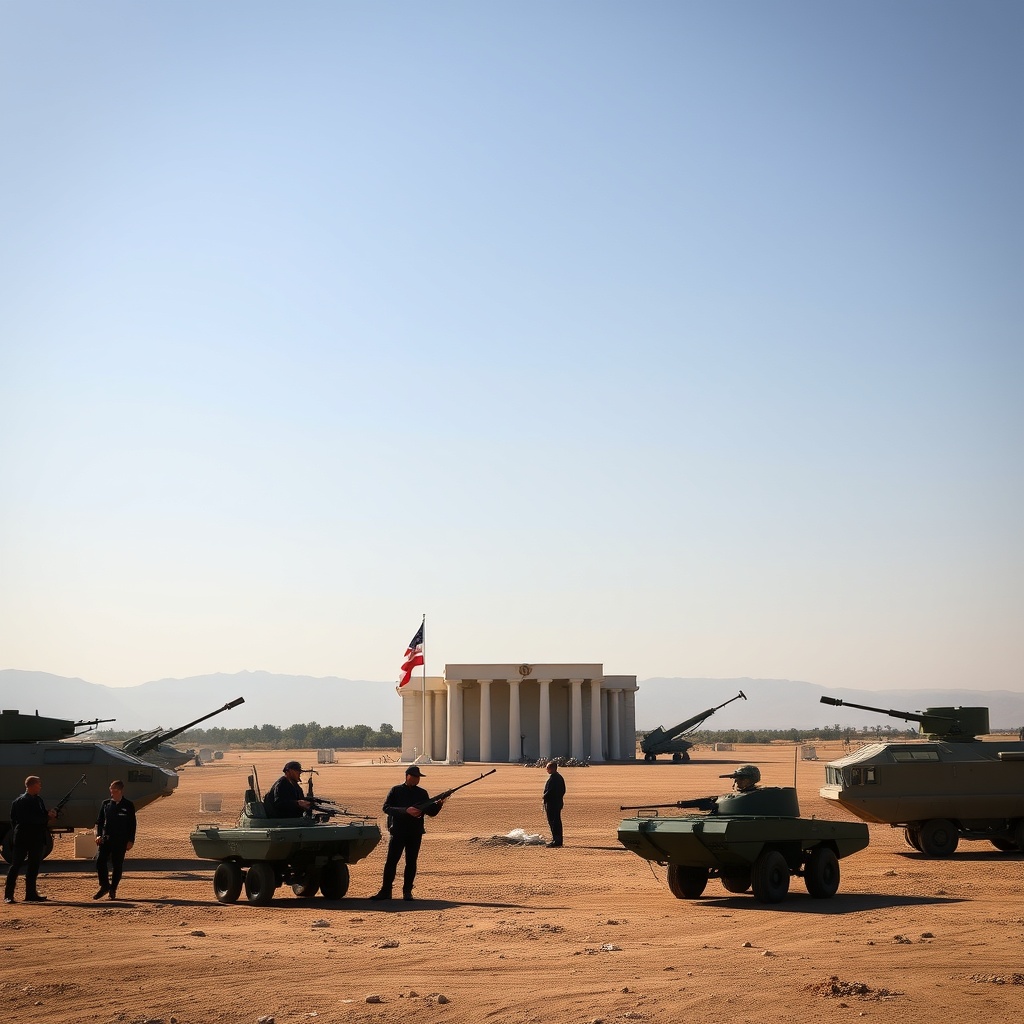
The military buildup in the Middle East has added a sense of urgency to the talks. The U.S. has deployed additional troops and military equipment to the region, citing concerns about Iranian aggression. Iran, in response, has threatened to retaliate against any attack on its territory. The situation is further complicated by the presence of other regional actors, including Israel and Saudi Arabia, which have their own interests and agendas.
The military buildup has significant implications for the region and the world. A conflict between the U.S. and Iran could have devastating consequences, including the disruption of oil supplies, the destabilization of the Middle East, and the potential for a wider war. According to a recent report by the Congressional Research Service, a conflict with Iran could cost the U.S. up to $1.7 trillion over 10 years, and result in the loss of thousands of lives. The report also notes that a conflict could have significant implications for the global economy, including higher oil prices and reduced economic growth.
The regional implications of a conflict are also significant. A war between the U.S. and Iran could lead to the destabilization of Iraq, the strengthening of extremist groups, and the further polarization of the region. The conflict could also have significant humanitarian implications, including the displacement of millions of people and the destruction of critical infrastructure. According to a recent report by the United Nations, a conflict in the Middle East could result in the displacement of up to 10 million people, and the destruction of critical infrastructure, including hospitals, schools, and water treatment plants.
Conclusion
The upcoming talks between the U.S. and Iran are a crucial opportunity for the two countries to find a way forward and avoid a devastating conflict. The success of these talks will depend on the ability of the parties to find common ground and make compromises. The European Union, China, and Russia will play a crucial role in facilitating the talks and finding a solution that is acceptable to all parties. As the world watches with bated breath, the outcome of these talks could have far-reaching implications for global security and stability. A successful outcome could pave the way for a new era of cooperation and diplomacy, while a failure could lead to a catastrophic conflict. The stakes are high, but there are reasons to be optimistic. With careful diplomacy and a willingness to compromise, it is possible to find a solution that addresses the concerns of all parties and promotes peace and stability in the region.

Leave a comment