
Introduction
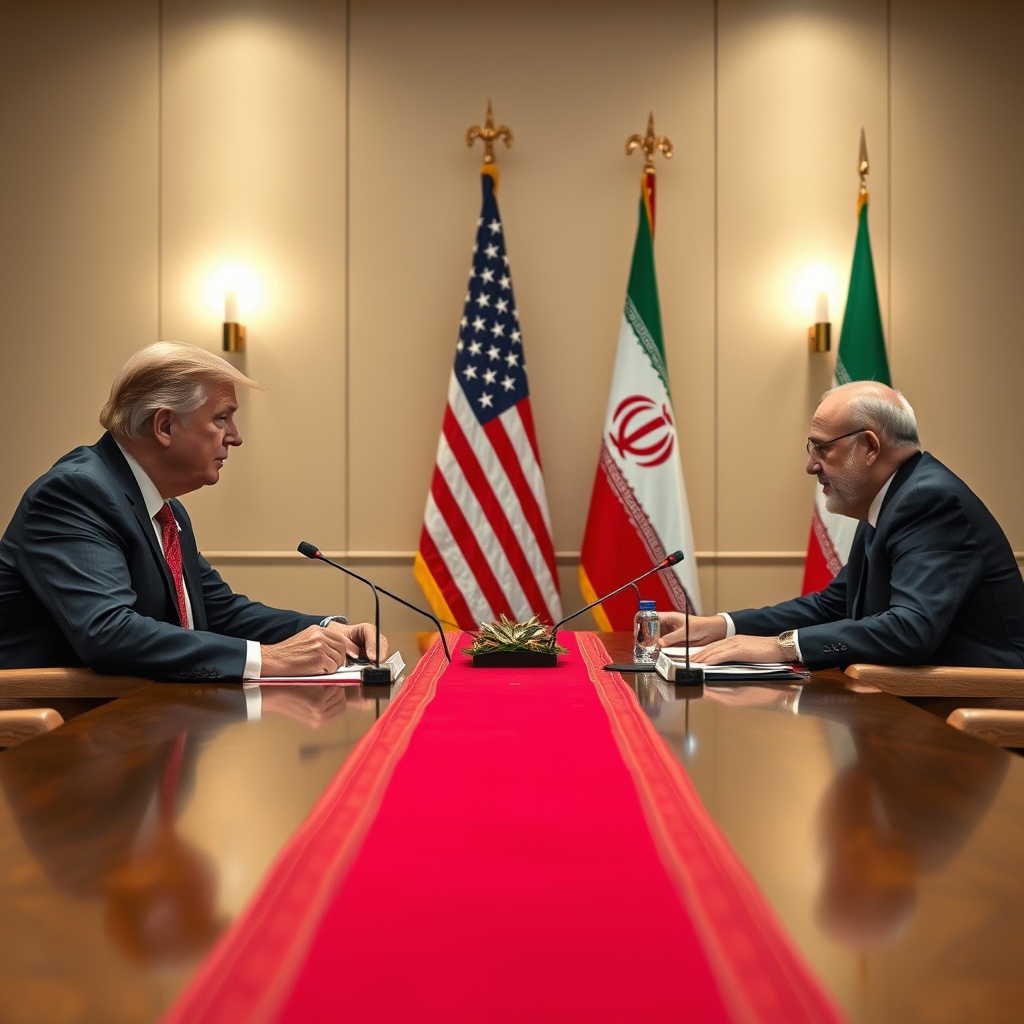
The recent US-Iran nuclear talks, held in Geneva, have concluded without a formal announcement of a deal, leaving the world on edge as the risk of war looms large. The indirect talks between the two nations were aimed at reaching a mutually beneficial agreement on Tehran's nuclear program, which has been a major point of contention for years. As tensions between the US and Iran continue to escalate, the need for a peaceful resolution has never been more pressing. In this article, we will delve into the history of the US-Iran nuclear dispute, the recent talks, and the potential consequences of a failed agreement.
History of the US-Iran Nuclear Dispute
The US-Iran nuclear dispute has its roots in the early 2000s, when Iran's nuclear program was first discovered. The international community, led by the US, raised concerns about the potential for Iran to develop nuclear weapons, which Tehran has consistently denied. In 2015, the Joint Comprehensive Plan of Action (JCPOA), also known as the Iran nuclear deal, was signed between Iran, the US, the UK, France, Germany, China, and Russia. The deal imposed strict limits on Iran's nuclear program in exchange for relief from economic sanctions.
However, in 2018, the US withdrew from the JCPOA, citing concerns about Iran's ballistic missile program and its support for militant groups in the region. The US reimposed sanctions on Iran, which had a devastating impact on the country's economy. In response, Iran began to gradually breach the limits set by the JCPOA, including enriching uranium to higher levels and developing new centrifuges.
Recent Talks and Their Implications
The recent talks in Geneva were an attempt to revive the JCPOA and find a way to curb Iran's nuclear program. The indirect talks, facilitated by the European Union, were seen as a positive step towards resolving the dispute. However, the lack of a formal announcement of a deal has raised concerns about the future of the negotiations.
According to reports, the talks focused on several key issues, including the level of uranium enrichment, the number of centrifuges, and the inspection regime. The US and Iran also discussed the possibility of a phased approach, where Iran would agree to limit its nuclear program in exchange for gradual relief from sanctions.
The implications of a failed agreement are far-reaching and potentially catastrophic. A war between the US and Iran would have devastating consequences for the region and the global economy. The conflict would likely involve other countries, including Israel, Saudi Arabia, and the UAE, and could lead to a significant increase in oil prices, which would have a ripple effect on the global economy.
Consequences of a Failed Agreement
The consequences of a failed agreement would be severe and far-reaching. A war between the US and Iran would lead to a significant loss of life, displacement of people, and destruction of infrastructure. The conflict would also have a devastating impact on the global economy, as oil prices would likely skyrocket, leading to inflation, recession, and widespread poverty.
Furthermore, a failed agreement would embolden extremist groups in the region, including ISIS and al-Qaeda, which would take advantage of the chaos and instability to launch new attacks. The conflict would also lead to a significant increase in refugee flows, which would put a strain on neighboring countries and the international community.
In addition, a failed agreement would undermine the credibility of the international community and the United Nations, which would be seen as unable to prevent a war. The conflict would also lead to a significant increase in military spending, which would divert resources away from critical areas such as healthcare, education, and poverty reduction.
According to a report by the International Crisis Group, a war between the US and Iran would cost the global economy over $1 trillion in the first year alone. The report also estimates that the conflict would lead to a significant increase in oil prices, which would have a devastating impact on the global economy.
Case Studies and Examples
The US-Iran nuclear dispute is not an isolated incident. There are several case studies and examples that demonstrate the importance of diplomacy and negotiation in preventing war.
One example is the Cuban Missile Crisis, where the US and the Soviet Union came close to nuclear war over the presence of Soviet missiles in Cuba. However, through diplomatic efforts, the two sides were able to reach a deal, where the Soviet Union agreed to withdraw its missiles in exchange for a US promise not to invade the island.
Another example is the Camp David Accords, where Israel and Egypt reached a peace agreement after years of conflict. The accords, facilitated by the US, demonstrated the importance of diplomacy and negotiation in resolving seemingly intractable conflicts.
Conclusion
The recent US-Iran nuclear talks, held in Geneva, have concluded without a formal announcement of a deal, leaving the world on edge as the risk of war looms large. The dispute over Iran's nuclear program has been a major point of contention for years, and the need for a peaceful resolution has never been more pressing.
As the international community waits with bated breath for the outcome of the talks, it is clear that diplomacy and negotiation are the only way to prevent a war. The consequences of a failed agreement would be severe and far-reaching, leading to a significant loss of life, displacement of people, and destruction of infrastructure.
The US and Iran must continue to engage in diplomatic efforts to reach a mutually beneficial agreement. The international community, led by the European Union, must also continue to facilitate the talks and provide support for a peaceful resolution.
In the end, the US-Iran nuclear dispute is a complex and multifaceted issue that requires a comprehensive and nuanced approach. The world cannot afford a war between the US and Iran, and it is up to the two sides to find a way to resolve their differences through diplomacy and negotiation. As the great statesman, Winston Churchill, once said, "To jaw-jaw is always better than to war-war."

Leave a comment