
Introduction
The use of advanced technologies, such as lasers, in military operations has become increasingly prevalent in recent years. A recent incident has brought this topic to the forefront, as lawmakers have revealed that the US military used a laser to take down a Customs and Border Protection drone. This incident has raised questions about the use of such technologies in domestic operations and the potential implications for national security and civil liberties. In this article, we will explore the details of this incident, the technologies involved, and the broader implications for the use of lasers in military and domestic operations.
The Incident: A Customs and Border Protection Drone
On Thursday, members of Congress announced that the US military had used a laser to shoot down a Customs and Border Protection drone. The details of the incident are still emerging, but it is clear that the drone was operating in US airspace when it was targeted by the military. The use of a laser to take down the drone is significant, as it marks one of the first known instances of the US military using such technology in a domestic operation. The incident has sparked concerns about the potential risks and unintended consequences of using lasers in this way, particularly in densely populated areas.
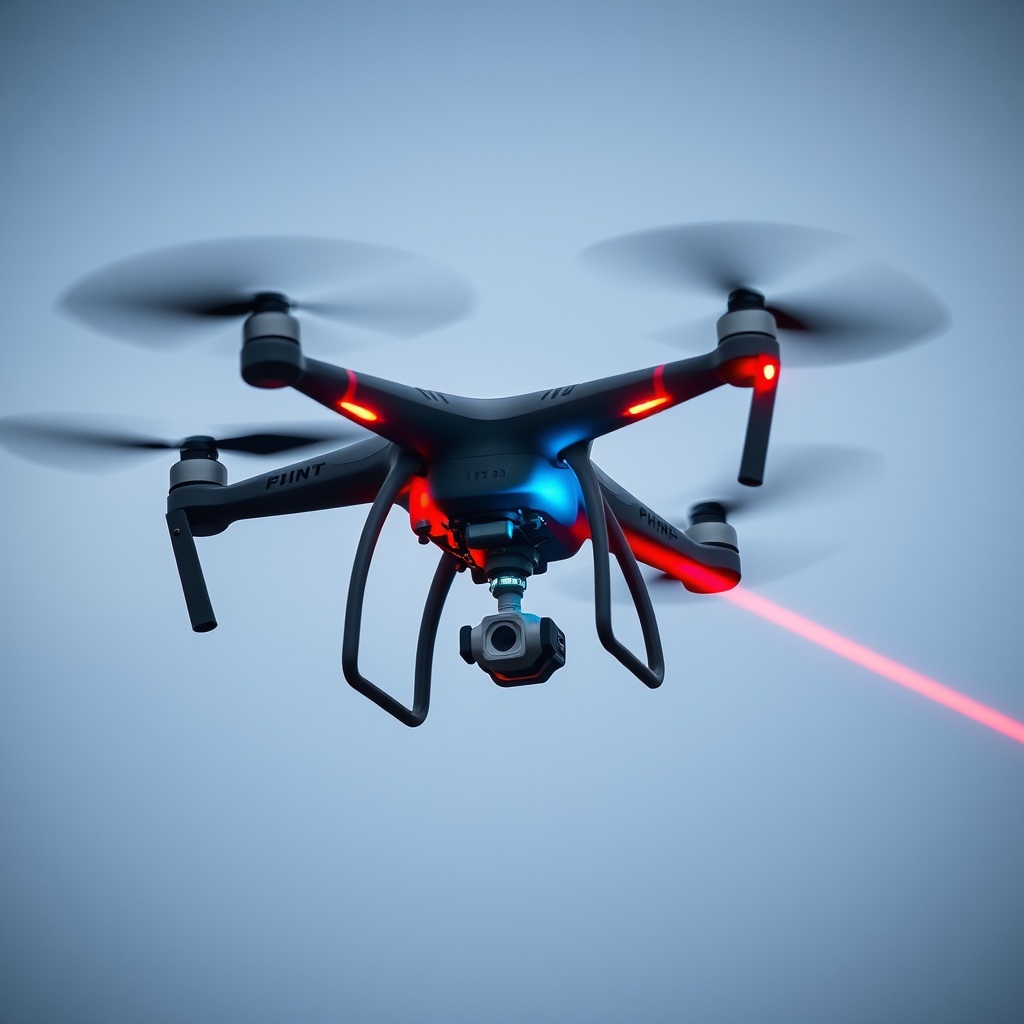
The Customs and Border Protection drone that was taken down was likely a small, unmanned aerial vehicle (UAV) used for surveillance and monitoring of the US-Mexico border. These drones are equipped with cameras and sensors that allow them to gather intelligence on potential security threats, such as smuggling operations or illegal crossings. The use of drones in border security has become increasingly common in recent years, as they offer a cost-effective and efficient way to monitor large areas of territory.
The Technology: Lasers in Military Operations
The use of lasers in military operations is not new, but it has become more prevalent in recent years. Lasers can be used for a variety of purposes, including targeting, communication, and defense. In the case of the Customs and Border Protection drone, the laser was likely used as a defensive measure to take down the drone and prevent it from posing a threat to national security.
There are several types of lasers that can be used in military operations, including high-powered lasers, fiber lasers, and chemical lasers. High-powered lasers are the most common type used in military applications, as they offer a high level of precision and accuracy. Fiber lasers, on the other hand, are more compact and efficient, making them ideal for use in smaller platforms such as drones.
The use of lasers in military operations offers several advantages, including increased precision and accuracy, reduced collateral damage, and improved safety for military personnel. However, it also raises concerns about the potential risks and unintended consequences of using such technologies, particularly in densely populated areas.
The Implications: National Security and Civil Liberties
The use of lasers to take down the Customs and Border Protection drone has significant implications for national security and civil liberties. On the one hand, the use of lasers offers a highly effective way to defend against potential security threats, such as drones that may be used for surveillance or attack. On the other hand, it raises concerns about the potential risks and unintended consequences of using such technologies, particularly in densely populated areas.
One of the main concerns is the potential for collateral damage, as lasers can cause significant damage to nearby structures and infrastructure. Additionally, the use of lasers in domestic operations raises questions about the potential for abuse of power and the erosion of civil liberties. The use of lasers to take down a drone in US airspace may be seen as an example of the military's increasing involvement in domestic law enforcement, which could have significant implications for the balance of power between the military and civilian authorities.
To mitigate these risks, it is essential to establish clear guidelines and regulations for the use of lasers in military and domestic operations. This could include the development of strict protocols for the use of lasers, as well as increased transparency and oversight of military operations. Additionally, it is crucial to ensure that the use of lasers is proportionate to the threat posed and that alternative measures are considered before resorting to the use of force.
Conclusion
The use of a laser to take down a Customs and Border Protection drone is a significant incident that raises important questions about the use of advanced technologies in military and domestic operations. While the use of lasers offers several advantages, including increased precision and accuracy, it also raises concerns about the potential risks and unintended consequences of using such technologies.
As the use of lasers and other advanced technologies becomes more prevalent in military and domestic operations, it is essential to establish clear guidelines and regulations to ensure that their use is proportionate to the threat posed and that alternative measures are considered before resorting to the use of force. This will require a nuanced and multifaceted approach that takes into account the complex interplay between national security, civil liberties, and the use of advanced technologies.
Ultimately, the use of lasers in military and domestic operations has the potential to revolutionize the way we approach national security and defense. However, it is crucial to approach this technology with caution and to ensure that its use is guided by a clear understanding of the potential risks and benefits. By doing so, we can harness the power of lasers and other advanced technologies to create a safer and more secure world, while also protecting the rights and freedoms of all individuals.

Leave a comment