
Introduction
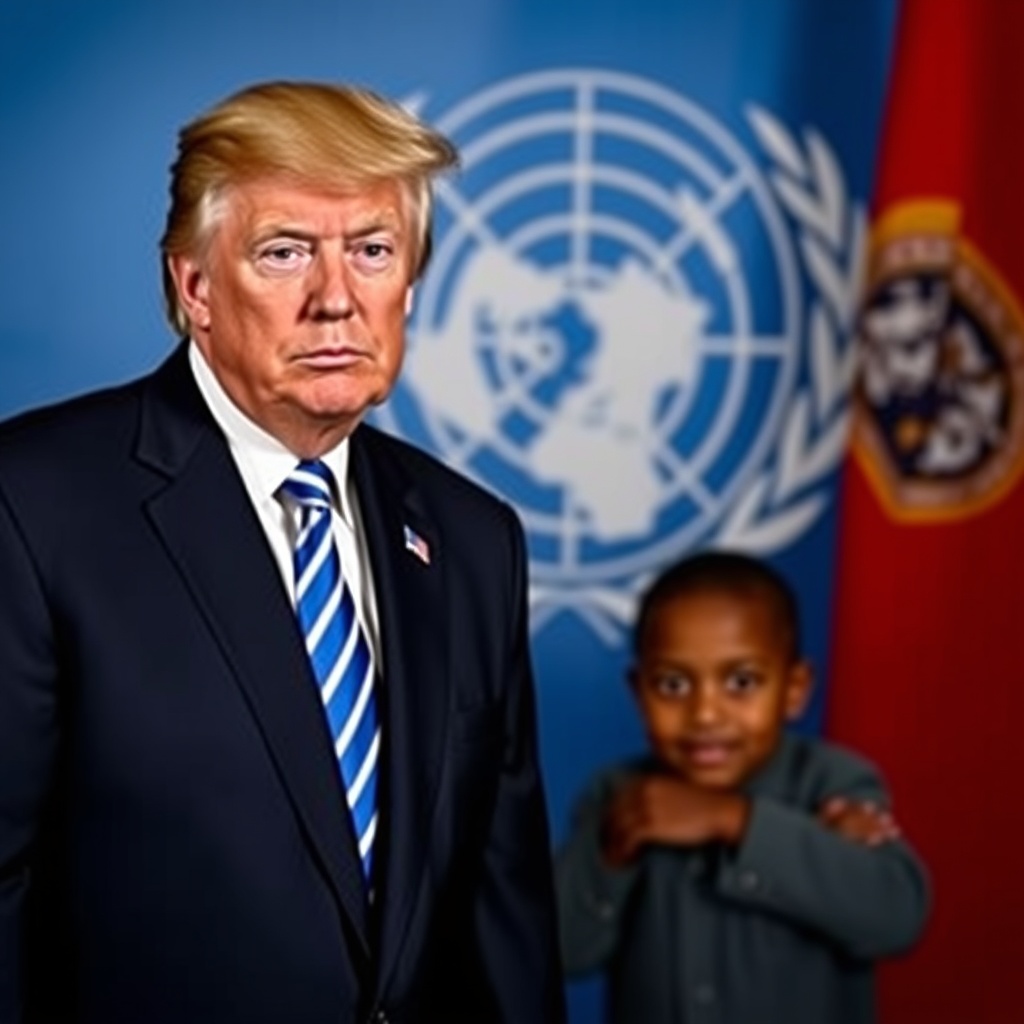
The United States has recently made a significant pledge of $2 billion in humanitarian aid, a move that has been met with a mixture of appreciation and skepticism by the international community. This commitment comes at a time when the world is grappling with an unprecedented number of humanitarian crises, from natural disasters to conflicts that have displaced millions of people. However, the pledge is also accompanied by a stark message from the US to the United Nations (UN): "adapt or die." This statement underscores the complex and evolving relationship between the US and the UN, particularly in the realm of humanitarian aid. In this article, we will delve into the implications of the US pledge, the context of previous cuts to UN funding, and what the "adapt or die" message might mean for the future of global humanitarian efforts.
The Pledge and Its Implications
The $2 billion pledge for humanitarian aid is a substantial commitment that could significantly impact various humanitarian crises around the world. This funding could support relief efforts in areas such as food security, shelter, healthcare, and education for refugees and internally displaced persons. The UN, which plays a crucial role in coordinating international responses to humanitarian emergencies, has welcomed the pledge. However, the context in which this pledge is made is critical. Previous years have seen major cuts to US funding for humanitarian operations, which has put a strain on the UN's ability to respond effectively to crises.
For instance, the United States has historically been one of the largest contributors to the UN's humanitarian budget. However, in recent years, there has been a noticeable decrease in US contributions, which has forced the UN to seek alternative funding sources and to prioritize its responses based on available resources. The $2 billion pledge, while significant, must be considered against this backdrop. It represents a reversal of sorts, but it also comes with the condition that the UN must "adapt or die," indicating a desire from the US for the UN to reform its operations and become more efficient.
The implications of this pledge are multifaceted. On one hand, the additional funding could provide much-needed relief to millions of people affected by humanitarian crises. On the other hand, the "adapt or die" message suggests that the US is seeking significant reforms within the UN, potentially to make it more aligned with US foreign policy objectives or to streamline its operations to achieve greater efficiency. This could lead to a reevaluation of how humanitarian aid is distributed, the priorities of UN missions, and the overall structure of the UN's humanitarian apparatus.
Previous Cuts to US Funding for Humanitarian Operations
The recent pledge of $2 billion must be understood in the context of previous cuts to US funding for humanitarian operations. These cuts have had a direct impact on the UN's ability to respond to humanitarian emergencies. For example, reductions in funding for the UN Relief and Works Agency for Palestine Refugees in the Near East (UNRWA) have affected the agency's ability to provide essential services to Palestinian refugees. Similarly, cuts to funding for food assistance programs have impacted the ability of the World Food Programme (WFP) to respond to hunger crises in various parts of the world.
The rationale behind these cuts has varied, with some citing the need to reduce the US budget deficit, while others have pointed to a desire to reassess US priorities in international aid. However, the impact of these cuts has been significant, leading to reduced services, job losses, and increased vulnerability for populations that rely on humanitarian aid. The $2 billion pledge, therefore, is not only a commitment of funds but also a signal that the US is willing to reengage with the UN on humanitarian issues, albeit with certain conditions.
The "Adapt or Die" Message
The "adapt or die" message from the US to the UN is a stark reminder of the evolving nature of international relations and the pressures on global institutions to reform. The message suggests that the US believes the UN must become more efficient, effective, and responsive to the changing global landscape. This could involve reforms in how the UN is structured, how it prioritizes its missions, and how it delivers aid.
The "adapt or die" mantra is not new in the context of international organizations. It reflects a broader trend of questioning the efficacy and relevance of global institutions in addressing contemporary challenges. For the UN, this message poses both opportunities and challenges. On one hand, it could prompt much-needed reforms that make the UN more agile and responsive to humanitarian crises. On the other hand, it raises concerns about the potential for political interference in humanitarian operations and the risk of undermining the UN's independence and impartiality.
Case Studies and Examples
Several case studies and examples illustrate the impact of US funding on UN humanitarian operations. For instance, in the context of the Syrian refugee crisis, US funding has been critical in supporting the UN High Commissioner for Refugees (UNHCR) and other agencies in providing shelter, food, and healthcare to millions of refugees in the region. However, fluctuations in US funding have sometimes led to uncertainty and gaps in services.
In another example, US contributions to the UN's Central Emergency Response Fund (CERF) have enabled the UN to respond quickly to sudden-onset emergencies, such as natural disasters. However, the level of US funding for CERF has varied over the years, affecting the UN's ability to respond to emerging crises.
Statistics and Data
Statistics and data on US funding for UN humanitarian operations provide a clearer picture of the trends and impacts. According to the UN, the US has historically been the largest contributor to UN humanitarian appeals, but the level of funding has fluctuated significantly over the years. In recent years, there has been a decline in US contributions, which has been offset to some extent by increases in funding from other donors.
For example, in 2020, the US contributed approximately $4 billion to UN humanitarian appeals, down from around $6 billion in 2016. This decline has had a direct impact on the UN's ability to respond to humanitarian crises, with some programs facing significant funding shortfalls.
Conclusion
The US pledge of $2 billion for humanitarian aid, accompanied by the "adapt or die" message, marks a significant moment in the relationship between the US and the UN. While the pledge could provide critical relief to millions of people affected by humanitarian crises, the condition that the UN must reform its operations underscores the complexities and challenges facing global humanitarian efforts.
As the international community moves forward, it is essential to consider the implications of this pledge and the message it conveys. The UN must navigate the pressures for reform while ensuring that its humanitarian operations remain principled, effective, and responsive to the needs of affected populations. The "adapt or die" mantra serves as a reminder that global institutions must evolve to meet the changing needs of the world, but this evolution must be guided by a commitment to humanitarian principles and the well-being of those most in need.
In the future, the success of US-UN cooperation on humanitarian issues will depend on a delicate balance between the pursuit of efficiency and reform, on one hand, and the protection of the UN's independence and commitment to humanitarian principles, on the other. As the world continues to grapple with an unprecedented number of humanitarian crises, the ability of the US and the UN to work together effectively will be crucial in saving lives, alleviating suffering, and promoting stability and peace.

Leave a comment