
Introduction
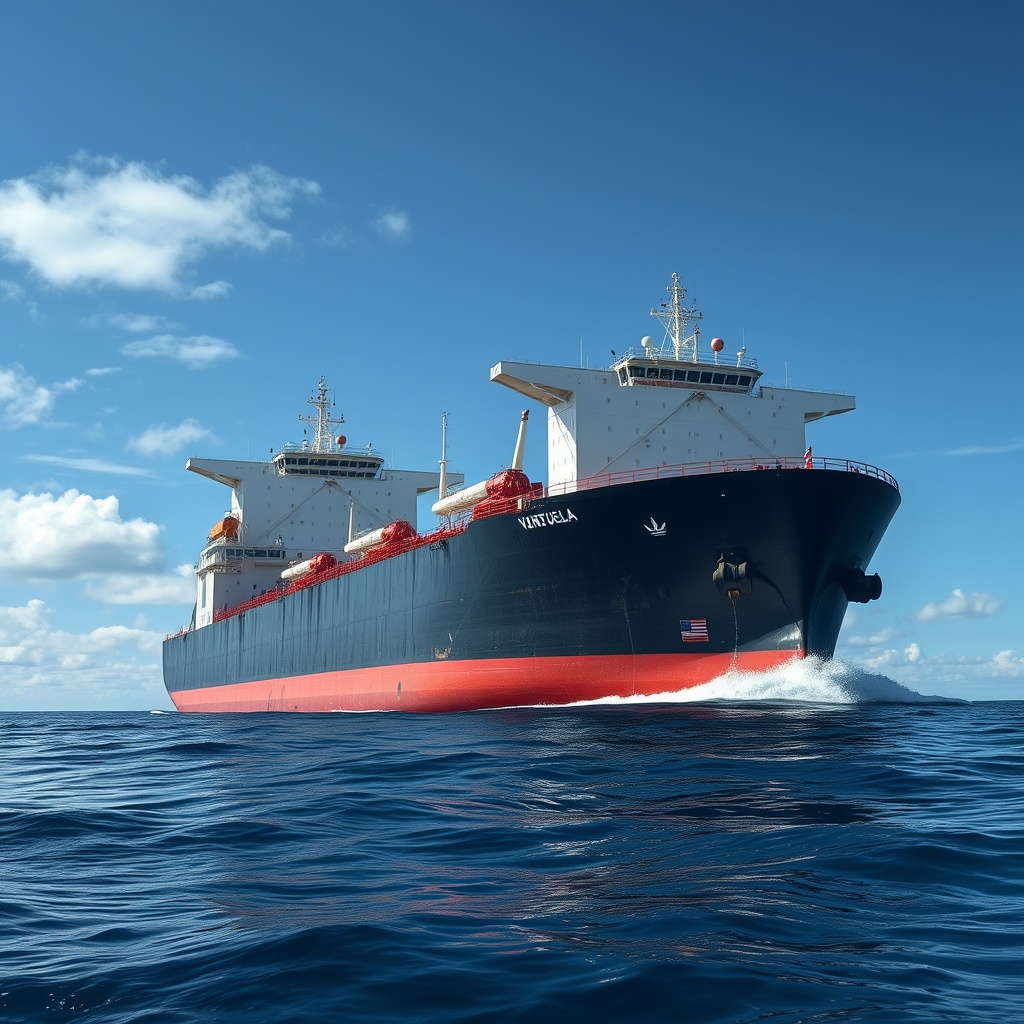
The United States has been actively engaged in monitoring and intercepting oil tankers near Venezuela, with the latest development being the pursuit of a third oil tanker in international waters. According to officials, the U.S. Coast Guard is currently tracking the vessel, which is believed to be carrying oil, in a region that has been a focal point of U.S.-Venezuela tensions. This move is part of a broader effort by the U.S. to enforce economic sanctions against Venezuela, which have been in place since 2019. The sanctions, imposed by the Trump administration, aim to pressure the Venezuelan government to undertake democratic reforms and respect human rights. In this article, we will delve into the details of the U.S. pursuit of oil tankers near Venezuela, the implications of these actions, and the broader context of U.S.-Venezuela relations.
Background on U.S.-Venezuela Relations
The relationship between the United States and Venezuela has been strained for several years, with the U.S. imposing economic sanctions on the country in response to the Venezuelan government's authoritarian tendencies and human rights abuses. The sanctions have had a significant impact on Venezuela's economy, which is heavily reliant on oil exports. The U.S. has also been critical of Venezuela's close ties with other nations, such as Cuba and Russia, which it views as a threat to regional stability. In recent years, the U.S. has increased its military presence in the region, with a focus on intercepting oil tankers and other vessels that are suspected of violating sanctions.
The U.S. Coast Guard has been at the forefront of these efforts, working closely with other U.S. agencies, such as the Department of State and the Department of Defense, to identify and track vessels that are suspected of violating sanctions. The Coast Guard has also been working with international partners, such as the United Kingdom and Panama, to share intelligence and coordinate efforts to enforce sanctions. According to a spokesperson for the U.S. Coast Guard, the agency has intercepted several vessels in the region in recent months, including oil tankers and other cargo ships. "We are committed to enforcing U.S. sanctions and protecting the security of the region," the spokesperson said.
The Pursuit of Oil Tankers
The pursuit of oil tankers near Venezuela is a complex and challenging operation, requiring close coordination between U.S. agencies and international partners. The U.S. Coast Guard uses a range of assets, including ships, aircraft, and drones, to track and intercept vessels that are suspected of violating sanctions. The Coast Guard also works closely with other U.S. agencies, such as the Department of State and the Department of Defense, to gather intelligence and share information about suspected vessels.
According to officials, the latest vessel being pursued is a tanker that is believed to be carrying oil from Venezuela to another country. The vessel is currently in international waters, but the U.S. is working to determine its destination and intentions. If the vessel is found to be in violation of sanctions, the U.S. could take a range of actions, including seizing the vessel or imposing fines on its owners. The U.S. has already taken action against several vessels that have been found to be in violation of sanctions, including the seizure of a tanker that was carrying oil from Venezuela to Cuba.
For example, in 2020, the U.S. seized a tanker called the "Luna," which was carrying oil from Venezuela to Cuba. The seizure was part of a broader effort by the U.S. to enforce sanctions against Venezuela and Cuba, and to disrupt the flow of oil and other goods between the two countries. The seizure of the Luna was seen as a significant success for the U.S., and it marked a major escalation of U.S. efforts to enforce sanctions in the region.
Implications and Reactions
The pursuit of oil tankers near Venezuela has significant implications for the region and for U.S.-Venezuela relations. The U.S. actions are likely to be seen as a provocation by the Venezuelan government, which has already accused the U.S. of attempting to strangle its economy. The Venezuelan government has also accused the U.S. of violating international law and respecting the sovereignty of other nations.
The U.S. actions are also likely to have significant economic implications for Venezuela, which is already struggling to recover from a severe economic crisis. The loss of oil revenue could have a devastating impact on the Venezuelan economy, and could exacerbate the country's already severe humanitarian crisis. According to a report by the International Monetary Fund, Venezuela's economy contracted by over 60% between 2013 and 2020, making it one of the worst economic crises in recent history.
The U.S. pursuit of oil tankers near Venezuela has also drawn criticism from other countries in the region, which have accused the U.S. of using its military power to enforce its will on other nations. The Venezuelan government has also accused the U.S. of attempting to provoke a conflict, and has warned that it will take all necessary measures to defend its sovereignty and territorial integrity.
For instance, the Cuban government has accused the U.S. of using its sanctions as a tool of coercion, and has called on the international community to condemn U.S. actions. The Russian government has also criticized the U.S. for its actions, and has accused the U.S. of attempting to undermine the sovereignty of other nations.
Conclusion
The U.S. pursuit of oil tankers near Venezuela is a complex and multifaceted issue, with significant implications for the region and for U.S.-Venezuela relations. The U.S. actions are driven by a desire to enforce economic sanctions and to pressure the Venezuelan government to undertake democratic reforms and respect human rights. However, the U.S. actions are also likely to have significant economic and humanitarian implications for Venezuela, and could exacerbate the country's already severe crisis.
As the situation continues to unfold, it is likely that the U.S. will continue to pursue oil tankers and other vessels that are suspected of violating sanctions. The U.S. will also likely continue to work with international partners to share intelligence and coordinate efforts to enforce sanctions. However, the U.S. must also be mindful of the potential risks and consequences of its actions, and must work to avoid escalating the situation and provoking a conflict.
In the long term, the U.S. must also work to find a lasting solution to the crisis in Venezuela, which will require a comprehensive and multifaceted approach. This could include working with international partners to provide humanitarian aid and support to the Venezuelan people, as well as working with the Venezuelan government to promote democratic reforms and respect for human rights. The U.S. must also be willing to engage in diplomacy and dialogue with the Venezuelan government, and to work towards a peaceful and negotiated solution to the crisis.
Ultimately, the U.S. pursuit of oil tankers near Venezuela is a symptom of a broader crisis in the region, and reflects the complex and often fraught nature of U.S.-Venezuela relations. As the situation continues to unfold, it is likely that the U.S. will face significant challenges and opportunities in the region, and must work to navigate these complexities with care and caution. With a comprehensive and multifaceted approach, the U.S. can work towards a peaceful and negotiated solution to the crisis, and promote stability and prosperity in the region.

Leave a comment