
Introduction
The ongoing conflict between Russia and Ukraine has been a major point of contention in international politics, with various world leaders attempting to broker a peace deal. Recently, a group of US senators has come out strongly against President Donald Trump's proposed peace plan for Ukraine, criticizing it for rewarding Russian aggression. This article will delve into the details of the controversy surrounding Trump's peace plan, the concerns raised by the US senators, and the broader implications for international relations.
Background to the Conflict
The conflict between Russia and Ukraine began in 2014, when Russia annexed the Crimean Peninsula, a move that was widely condemned by the international community. Since then, fighting has continued in eastern Ukraine between Ukrainian government forces and Russian-backed separatists. The conflict has resulted in thousands of deaths and widespread displacement, with both sides accusing each other of human rights abuses.
The international community has been working to find a peaceful resolution to the conflict, with various diplomatic efforts underway. However, the situation remains volatile, with periodic outbreaks of violence and ongoing tensions between Russia and Ukraine. The US has been a key player in the diplomatic efforts, with President Trump's administration facing criticism for its handling of the situation.
Criticism of Trump's Peace Plan
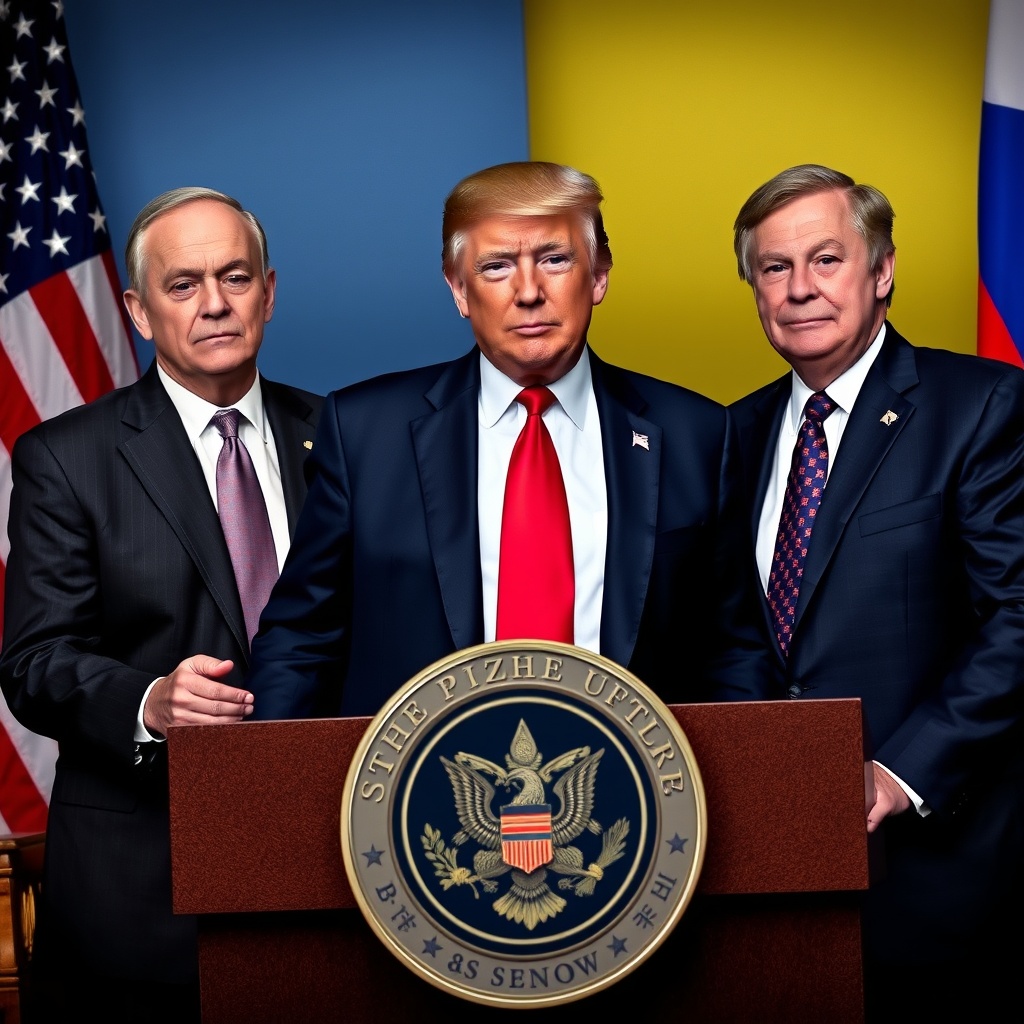
The US senators who spoke out against Trump's peace plan were attending an international security conference in Canada. They argued that the plan would reward Russian aggression and undermine Ukraine's sovereignty. The senators expressed concerns that the plan would allow Russia to maintain its influence over eastern Ukraine, while also giving Moscow a veto over Ukraine's foreign policy decisions.
One of the main concerns raised by the senators was that the plan would legitimize Russia's annexation of Crimea, which is not recognized by the international community. They also argued that the plan would not do enough to address the ongoing human rights abuses in eastern Ukraine, where separatist forces have been accused of committing atrocities against civilians.
The senators' criticism of Trump's peace plan reflects a broader concern among many in the international community that the US is not doing enough to counter Russian aggression. There are fears that Trump's administration is too soft on Russia, and that this could embolden Moscow to pursue further expansionist policies in the region.
International Reaction to the Peace Plan
The reaction to Trump's peace plan has been mixed, with some countries expressing support for the initiative while others have raised concerns. The European Union has been cautious in its response, calling for a peaceful resolution to the conflict while also emphasizing the need for Russia to respect Ukraine's sovereignty.
NATO has also been involved in the diplomatic efforts, with the alliance's secretary-general, Jens Stoltenberg, calling for a peaceful resolution to the conflict. However, some NATO member states have expressed concerns about the implications of Trump's peace plan, particularly with regard to the potential for Russian expansionism in the region.
The Russian government has welcomed Trump's peace plan, seeing it as a potential opportunity to gain international recognition for its annexation of Crimea. However, the Ukrainian government has been more cautious, expressing concerns that the plan could undermine the country's sovereignty and territorial integrity.
Implications for International Relations
The controversy surrounding Trump's peace plan has significant implications for international relations, particularly with regard to the relationship between the US and Russia. The US has long been a key player in European security, and its stance on the Ukraine conflict is seen as a test of its commitment to the region.
The criticism of Trump's peace plan by US senators reflects a broader concern about the direction of US foreign policy under the Trump administration. There are fears that the US is abandoning its traditional role as a leader in international affairs, and that this could create a power vacuum that could be exploited by other countries.
The situation in Ukraine also has significant implications for the global order, particularly with regard to the principles of sovereignty and territorial integrity. The international community has long recognized the importance of these principles, and any attempt to undermine them could have far-reaching consequences.
Case Study: The Minsk Agreements
One of the key diplomatic efforts aimed at resolving the Ukraine conflict has been the Minsk agreements, which were signed in 2015. The agreements, which were brokered by France, Germany, and Russia, called for a ceasefire, the withdrawal of heavy weapons, and the establishment of a buffer zone between Ukrainian government forces and Russian-backed separatists.
However, the Minsk agreements have been criticized for their lack of effectiveness, with both sides accusing each other of violating the terms of the agreement. The US senators who spoke out against Trump's peace plan argued that the agreement had failed to address the underlying issues driving the conflict, and that a new approach was needed.
The Minsk agreements provide a useful case study of the challenges of negotiating a peace deal in a complex and volatile conflict. They highlight the need for a comprehensive approach that addresses the underlying issues driving the conflict, as well as the importance of ensuring that any agreement is enforceable and sustainable.
Statistics and Data
According to a recent survey by the Pew Research Center, 71% of Americans believe that the US should take a more active role in resolving the Ukraine conflict. The survey also found that 64% of Americans believe that Russia's actions in Ukraine are a major threat to international stability.
In terms of the human cost of the conflict, the United Nations estimates that over 13,000 people have been killed since the start of the conflict in 2014. The conflict has also resulted in the displacement of over 3.5 million people, with many more affected by the ongoing violence and instability.
The economic costs of the conflict have also been significant, with Ukraine's economy suffering a major contraction since the start of the conflict. The World Bank estimates that Ukraine's GDP has declined by over 60% since 2013, with the conflict having a major impact on the country's industrial and agricultural sectors.
Conclusion
The controversy surrounding Trump's peace plan for Ukraine reflects a broader concern about the direction of US foreign policy under the Trump administration. The plan has been criticized for rewarding Russian aggression and undermining Ukraine's sovereignty, with many in the international community expressing concerns about the implications for international relations.
As the situation in Ukraine continues to evolve, it is clear that a comprehensive and sustainable peace deal will be needed to address the underlying issues driving the conflict. This will require a coordinated effort from the international community, including the US, Europe, and other key players.
The US senators who spoke out against Trump's peace plan have highlighted the need for a more robust and effective approach to resolving the conflict. Their criticism reflects a broader concern about the need for the US to reassert its leadership role in international affairs, and to work with other countries to address the major challenges facing the world today.
Ultimately, the resolution of the Ukraine conflict will require a commitment to the principles of sovereignty and territorial integrity, as well as a recognition of the need for a comprehensive and sustainable peace deal. As the international community continues to grapple with the challenges of the conflict, it is clear that a new approach will be needed to address the underlying issues driving the violence and instability in the region.

Leave a comment