
Introduction
The relationship between the United States and Iran has been tense for decades, with both countries engaging in a series of confrontations and proxy wars. Recently, the U.S. military shot down an Iranian Shahed-139 drone that approached the USS Abraham Lincoln aircraft carrier in the Arabian Sea. This incident has raised concerns about the escalating tensions between the two nations and the potential for further conflict. In this article, we will delve into the details of the incident, the history of U.S.-Iran relations, and the implications of this event on global security.
Background on U.S.-Iran Relations
The U.S. and Iran have had a complicated history, with periods of cooperation and conflict. In the 1950s and 1960s, the two countries had a relatively close relationship, with the U.S. providing economic and military aid to Iran. However, the 1979 Iranian Revolution, which overthrew the U.S.-backed Shah and established an Islamic republic, marked a significant turning point in the relationship. The new Iranian government, led by Ayatollah Khomeini, was deeply anti-American and sought to reduce U.S. influence in the region.
Since then, the U.S. and Iran have been engaged in a series of confrontations, including the Iran-Iraq War, the Gulf War, and the ongoing conflict in Syria. The U.S. has also imposed significant economic sanctions on Iran, which have had a devastating impact on the country's economy. In recent years, the U.S. has increased its military presence in the Middle East, with a particular focus on countering Iranian influence.
The Incident: U.S. Shoots Down Iranian Drone
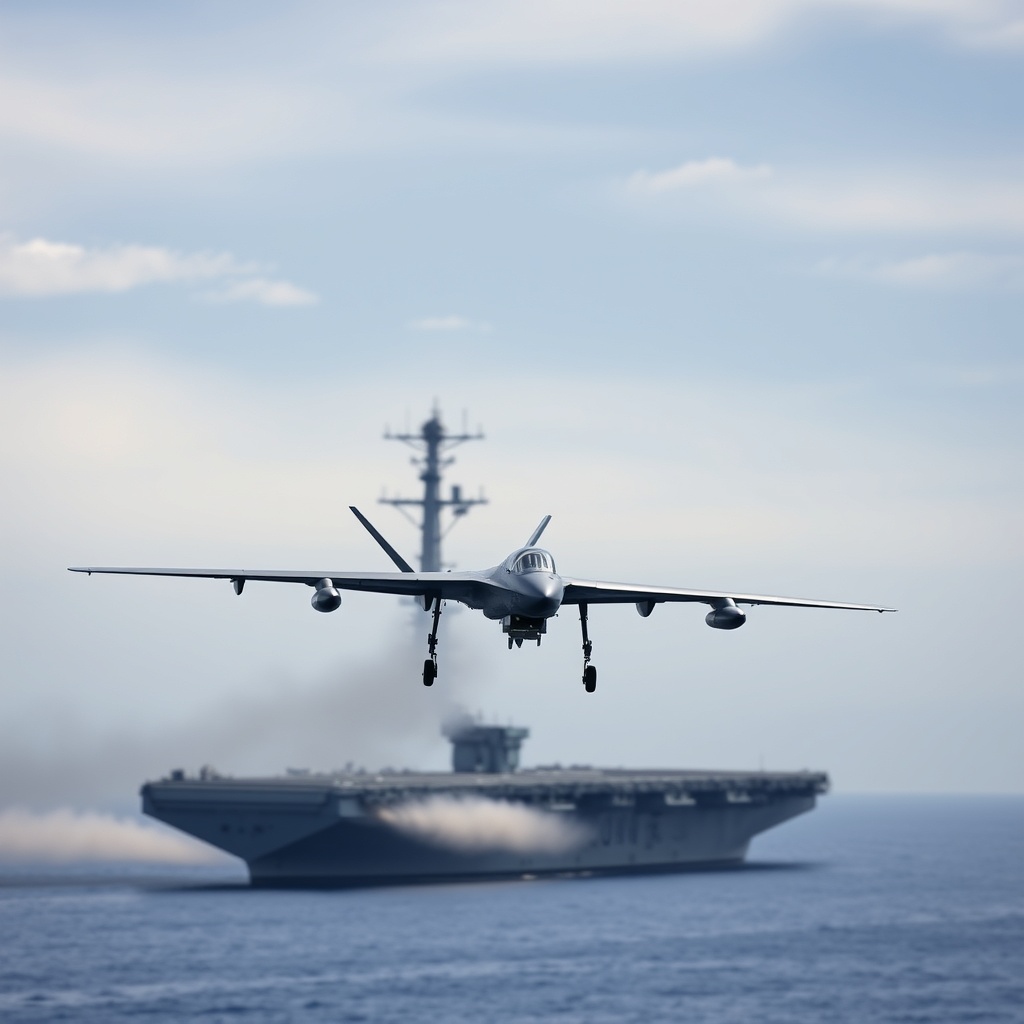
On Tuesday, the U.S. military shot down an Iranian Shahed-139 drone that approached the USS Abraham Lincoln aircraft carrier in the Arabian Sea. According to U.S. Central Command, the drone was flying towards the carrier and posed a threat to the ship and its crew. The U.S. military responded by shooting down the drone, using a defense system on board the carrier.
The incident has been widely reported, with many news outlets citing U.S. military officials as saying that the drone was shot down in self-defense. The U.S. military has also released footage of the incident, which shows the drone being shot down by a missile.
The Shahed-139 is a type of unmanned aerial vehicle (UAV) that is used by the Iranian military for reconnaissance and surveillance. The drone is capable of flying for long periods and can be equipped with a variety of sensors and cameras. The use of drones by Iran has been a source of concern for the U.S. and its allies, as they can be used to gather intelligence and conduct attacks.
Implications of the Incident
The incident has significant implications for the relationship between the U.S. and Iran. The use of force by the U.S. military to shoot down the drone is a clear indication that the U.S. is willing to take a strong stance against Iranian aggression. The incident also highlights the ongoing tensions between the two countries and the potential for further conflict.
The incident has also raised concerns about the safety of U.S. military personnel and equipment in the region. The Arabian Sea is a critical waterway for international trade and commerce, and the presence of Iranian drones and other military assets in the area poses a significant threat to U.S. and allied interests.
In response to the incident, the U.S. has increased its military presence in the region, with additional ships and aircraft being deployed to the area. The U.S. has also issued a statement warning Iran against further aggression and emphasizing the importance of maintaining freedom of navigation in the Arabian Sea.
Regional and Global Implications
The incident has significant regional and global implications. The Middle East is a critical region for international trade and commerce, and the presence of Iranian drones and other military assets in the area poses a significant threat to U.S. and allied interests. The incident has also raised concerns about the potential for further conflict in the region, which could have significant implications for global security.
The incident has also highlighted the importance of maintaining freedom of navigation in the Arabian Sea. The sea is a critical waterway for international trade and commerce, with many ships passing through the area every day. The presence of Iranian drones and other military assets in the area poses a significant threat to these ships and the crews that operate them.
In recent years, there have been several incidents involving Iranian drones and other military assets in the region. In 2019, the U.S. shot down an Iranian drone that was flying over the Strait of Hormuz, a critical waterway that connects the Arabian Sea to the Persian Gulf. The incident highlighted the ongoing tensions between the U.S. and Iran and the potential for further conflict in the region.
Case Studies: Previous Incidents Involving Iranian Drones
There have been several previous incidents involving Iranian drones and other military assets in the region. In 2019, the U.S. shot down an Iranian drone that was flying over the Strait of Hormuz. The incident highlighted the ongoing tensions between the U.S. and Iran and the potential for further conflict in the region.
In 2020, the U.S. accused Iran of attacking several oil tankers in the Arabian Sea. The incident highlighted the potential for Iranian aggression in the region and the importance of maintaining a strong U.S. military presence.
In 2022, the U.S. and its allies conducted a series of military exercises in the Arabian Sea, which were designed to demonstrate their ability to respond to Iranian aggression. The exercises highlighted the importance of maintaining freedom of navigation in the region and the potential for further conflict.
Statistics: U.S. Military Presence in the Region
The U.S. has a significant military presence in the Middle East, with thousands of troops and equipment deployed to the region. The U.S. has several major military bases in the area, including the Al Udeid Air Base in Qatar and the Naval Support Activity Bahrain.
The U.S. has also increased its military presence in the region in recent years, with additional ships and aircraft being deployed to the area. In 2020, the U.S. deployed an additional 3,000 troops to the region, which brought the total number of U.S. troops in the area to over 50,000.
The U.S. has also spent billions of dollars on military equipment and supplies in the region, including drones, missiles, and other military assets. In 2020, the U.S. spent over $10 billion on military equipment and supplies in the Middle East, which was a significant increase from the previous year.
Conclusion
The incident in which the U.S. shot down an Iranian drone that approached the USS Abraham Lincoln aircraft carrier in the Arabian Sea has significant implications for the relationship between the U.S. and Iran. The use of force by the U.S. military to shoot down the drone is a clear indication that the U.S. is willing to take a strong stance against Iranian aggression.
The incident has also raised concerns about the safety of U.S. military personnel and equipment in the region, as well as the potential for further conflict. The Middle East is a critical region for international trade and commerce, and the presence of Iranian drones and other military assets in the area poses a significant threat to U.S. and allied interests.
In the coming years, it is likely that the U.S. and Iran will continue to engage in a series of confrontations and proxy wars. The U.S. will need to maintain a strong military presence in the region to counter Iranian aggression and protect its interests. The incident has highlighted the importance of maintaining freedom of navigation in the Arabian Sea and the potential for further conflict in the region.
As the situation continues to evolve, it is essential to monitor the developments and analyze the implications of the incident on global security. The U.S. and its allies must remain vigilant and prepared to respond to any further aggression from Iran, while also working to reduce tensions and promote stability in the region. Ultimately, the goal should be to promote peace and stability in the Middle East, while also protecting U.S. and allied interests.

Leave a comment