
Introduction
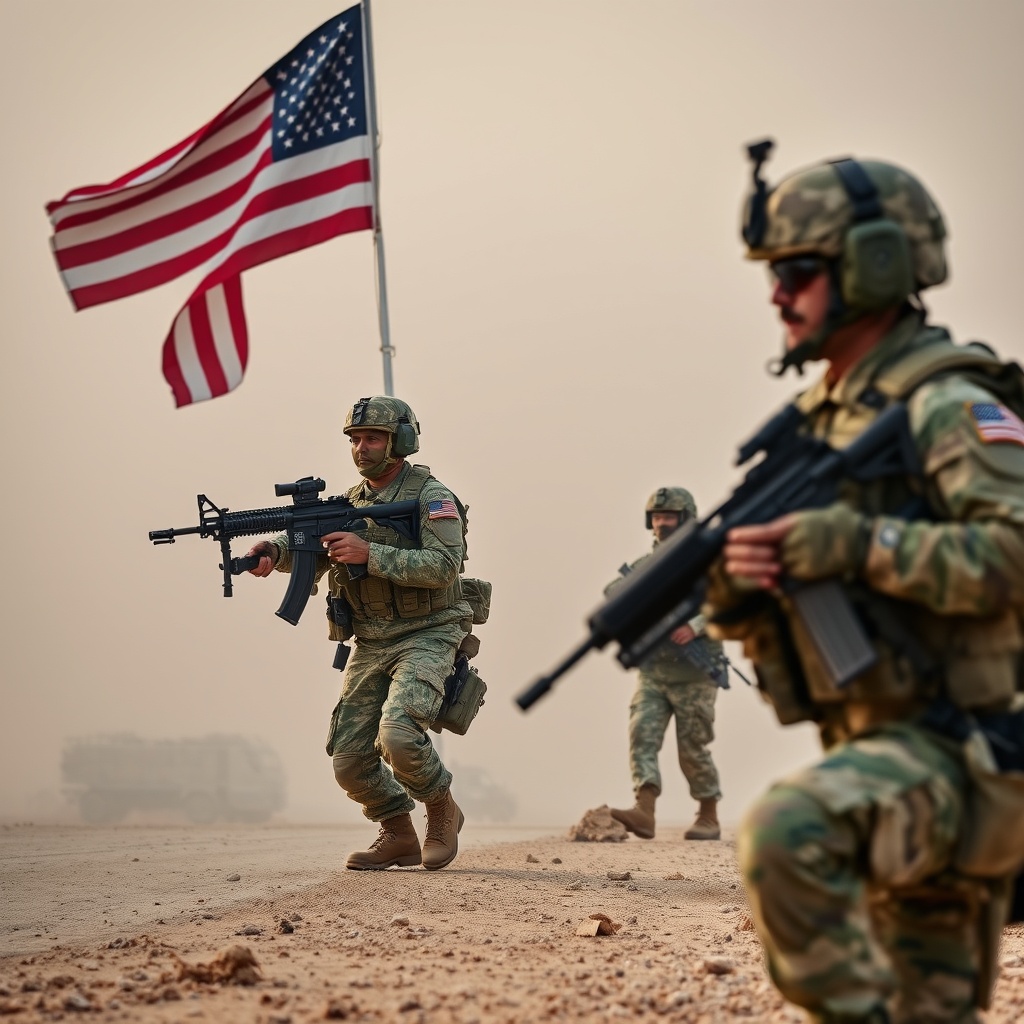
The United States has initiated the withdrawal of some of its forces from the Middle East, a move that comes as President Trump weighs potential strikes against Iran. This development has significant implications for the region and the global community, given the longstanding tensions between the U.S. and Iran. The withdrawal of troops and equipment from al-Udeid Air Base in Qatar is a notable step, echoing similar measures taken in the past before U.S. strikes on Iran's nuclear facilities. This article will delve into the details of the U.S. withdrawal, the context of U.S.-Iran relations, and the potential consequences of these actions.
Background on U.S.-Iran Relations
The relationship between the United States and Iran has been complex and often contentious, particularly since the 1979 Iranian Revolution. The U.S. has imposed numerous sanctions on Iran, citing concerns over its nuclear program, human rights record, and support for terrorism. Iran, on the other hand, views the U.S. as an imperial power seeking to undermine its sovereignty and regional influence. The two nations have been engaged in a proxy war in various parts of the Middle East, including Syria, Yemen, and Iraq.
The U.S. withdrawal of some forces from the Middle East should be seen in the context of these broader tensions. The Pentagon's decision to remove troops and equipment from al-Udeid Air Base in Qatar could be interpreted as a strategic move to reduce the risk of escalation with Iran. However, it could also be perceived as a sign of weakness or a lack of commitment to regional security, potentially emboldening Iran and its allies.
The Role of al-Udeid Air Base
Al-Udeid Air Base in Qatar plays a critical role in U.S. military operations in the Middle East. The base serves as a key staging area for U.S. aircraft and personnel, facilitating missions against the Islamic State in Iraq and Syria, as well as supporting other regional security initiatives. The base is also home to the U.S. Air Forces Central Command, which oversees air operations across the region.
The withdrawal of U.S. forces from al-Udeid Air Base could have significant operational implications. It may limit the U.S. ability to respond quickly to emerging threats or crises in the region. Additionally, the reduction in U.S. military presence could create a power vacuum, potentially allowing other regional actors, including Iran, to fill the gap.
Potential Consequences of U.S. Withdrawal
The potential consequences of the U.S. withdrawal from the Middle East are far-reaching and multifaceted. On one hand, the reduction in U.S. military presence could lead to a decrease in tensions with Iran, potentially reducing the risk of conflict. On the other hand, it could embolden Iran and its allies, leading to increased aggression and instability in the region.
The withdrawal could also have significant implications for U.S. allies in the region, including Israel and the Gulf states. These countries have long relied on the U.S. for security guarantees and military support. A reduction in U.S. presence could lead to a sense of abandonment, potentially prompting these countries to reevaluate their relationships with the U.S. and seek alternative security arrangements.
Furthermore, the U.S. withdrawal could have broader geopolitical implications. It could be seen as a sign of U.S. disengagement from the Middle East, potentially creating opportunities for other global powers, including China and Russia, to expand their influence in the region. This could have significant implications for global energy markets, as well as the balance of power in the region.
Regional Reactions and Responses
The reaction to the U.S. withdrawal from the Middle East has been mixed, with different regional actors responding in varying ways. Iran has welcomed the move, seeing it as a sign of U.S. weakness and a potential opportunity to expand its influence in the region. Iranian officials have stated that the U.S. withdrawal is a "positive step," but have also cautioned that it is insufficient to address the underlying issues driving tensions between the two countries.
Other regional actors, including Israel and the Gulf states, have expressed concern about the U.S. withdrawal. These countries have long relied on the U.S. for security guarantees and military support, and see the reduction in U.S. presence as a potential threat to their security. Israeli officials have stated that the U.S. withdrawal is a "mistake," and have urged the U.S. to maintain its military presence in the region.
Conclusion
The U.S. withdrawal of some forces from the Middle East is a significant development, with far-reaching implications for the region and the global community. The reduction in U.S. military presence could lead to a decrease in tensions with Iran, but it could also embolden Iran and its allies, leading to increased aggression and instability in the region. The potential consequences of the U.S. withdrawal are multifaceted, and will depend on a range of factors, including the actions of regional actors and the response of the international community.
As the situation continues to evolve, it is essential to monitor developments closely and to consider the potential implications of the U.S. withdrawal. The U.S. must balance its desire to reduce its military presence in the region with the need to maintain stability and security. This will require careful diplomacy and strategic engagement with regional actors, as well as a commitment to addressing the underlying issues driving tensions between the U.S. and Iran.
Ultimately, the U.S. withdrawal from the Middle East is a complex and multifaceted issue, with significant implications for the region and the global community. As the situation continues to unfold, it is essential to approach the issue with caution and nuance, recognizing the potential risks and opportunities that arise from this significant development. The future of the region will depend on the actions of the U.S. and other regional actors, and it is essential to consider the potential consequences of these actions carefully.

Leave a comment