
Introduction
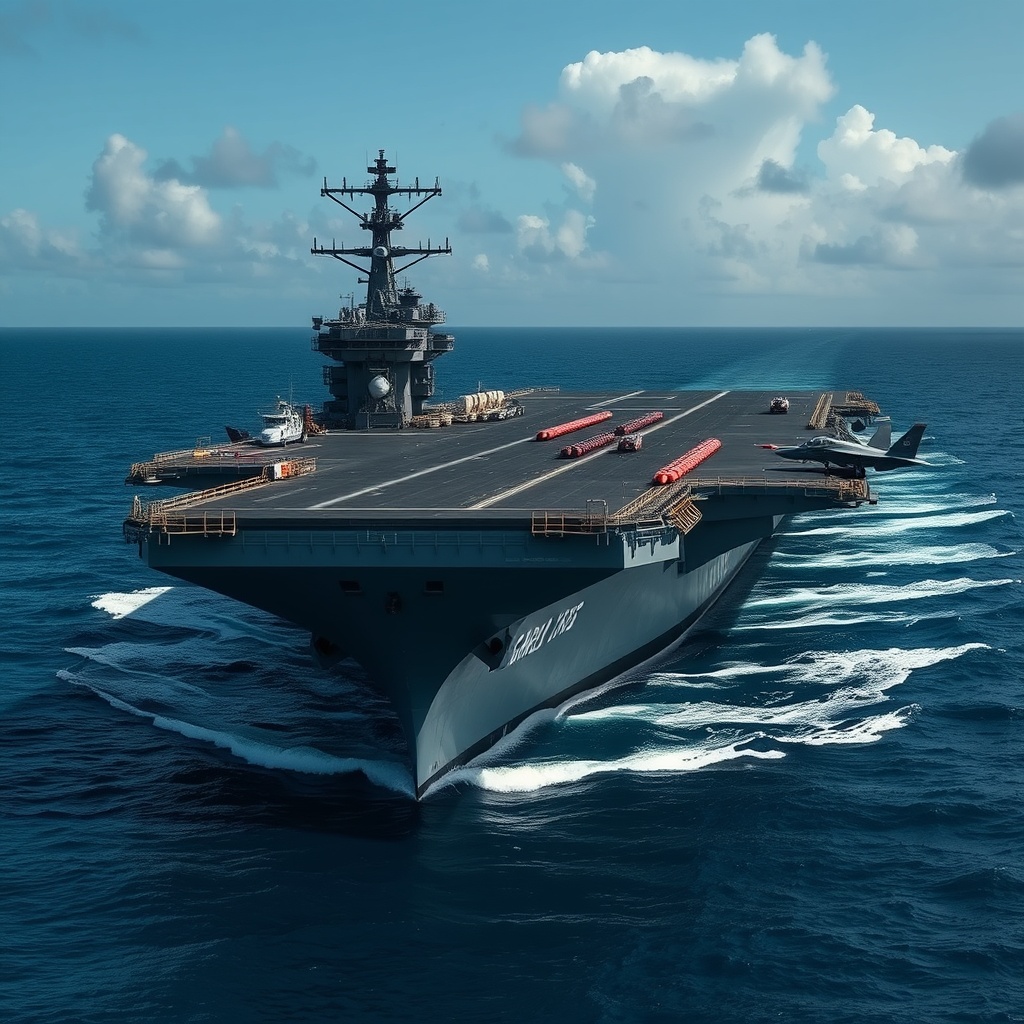
The arrival of the USS Gerald R. Ford aircraft carrier in the Caribbean Sea marks a significant display of American military power in the region. As the most advanced U.S. aircraft carrier, the USS Gerald R. Ford is a symbol of the United States' commitment to maintaining its military presence and protecting its interests in the Caribbean. The carrier's arrival comes at a time of heightened tensions in the region, particularly with regards to Venezuela, and is seen as a major buildup of U.S. military assets in the area. In this article, we will explore the significance of the USS Gerald R. Ford's arrival in the Caribbean, the current geopolitical landscape of the region, and the potential implications of this deployment.
The USS Gerald R. Ford: A Technological Marvel
The USS Gerald R. Ford is the lead ship of the Gerald R. Ford-class aircraft carriers, which are the most advanced aircraft carriers in the world. The carrier is equipped with cutting-edge technology, including an electromagnetic aircraft launch system (EMALS), an advanced arresting gear (AAG) system, and a dual-band radar system. The USS Gerald R. Ford is also powered by a nuclear reactor, which provides the ship with a virtually unlimited range and endurance. The carrier has a crew of over 4,500 personnel and can carry up to 75 aircraft, making it a formidable force in any region it operates in.
The USS Gerald R. Ford is also equipped with advanced command and control systems, which enable it to coordinate with other U.S. military assets in the region. The carrier's advanced sensors and communication systems provide real-time situational awareness, allowing it to respond quickly to emerging threats. The USS Gerald R. Ford's arrival in the Caribbean is a demonstration of the United States' ability to project power and protect its interests in the region.
Geopolitical Landscape of the Caribbean
The Caribbean region is a complex and dynamic geopolitical landscape, with multiple countries and interests at play. The region is home to several major oil-producing countries, including Venezuela, which has the largest oil reserves in the world. The Caribbean is also a major transit point for international trade, with many ships passing through the Panama Canal and the Caribbean Sea.
In recent years, the Caribbean has become increasingly important to the United States, particularly with regards to its relations with Venezuela. The U.S. has imposed economic sanctions on Venezuela, which has led to a significant decline in the country's economy. The U.S. has also been critical of Venezuela's government, which it sees as authoritarian and corrupt.
The arrival of the USS Gerald R. Ford in the Caribbean is seen as a response to the growing tensions between the U.S. and Venezuela. The carrier's presence is intended to demonstrate the United States' commitment to maintaining its military presence in the region and protecting its interests. The deployment of the USS Gerald R. Ford is also seen as a message to other countries in the region, particularly those that may be considering closer ties with Venezuela.
Impact on Regional Dynamics
The arrival of the USS Gerald R. Ford in the Caribbean is likely to have significant implications for regional dynamics. The carrier's presence will likely be seen as a challenge to Venezuela's government, which has been critical of U.S. military intervention in the region. The deployment of the USS Gerald R. Ford may also lead to increased tensions between the U.S. and other countries in the region, particularly those that have close ties with Venezuela.
The USS Gerald R. Ford's arrival in the Caribbean may also have implications for regional security. The carrier's advanced capabilities and presence in the region may deter other countries from engaging in aggressive behavior, particularly with regards to maritime security. The USS Gerald R. Ford's presence may also provide a sense of security for countries in the region that are concerned about the growing influence of Venezuela.
According to a report by the Congressional Research Service, the U.S. has a long history of military intervention in the Caribbean, dating back to the early 20th century. The report notes that the U.S. has used its military power to protect its interests in the region, particularly with regards to oil production and trade. The deployment of the USS Gerald R. Ford is seen as a continuation of this policy, with the U.S. seeking to maintain its influence in the region and protect its interests.
Economic and Trade Implications
The arrival of the USS Gerald R. Ford in the Caribbean may also have significant economic and trade implications for the region. The carrier's presence may lead to increased investment and trade in the region, particularly in countries that have close ties with the U.S. The USS Gerald R. Ford's advanced capabilities and presence in the region may also provide a sense of security for international shipping companies, which may lead to increased trade and economic activity in the region.
According to a report by the International Monetary Fund (IMF), the Caribbean region is heavily dependent on international trade, with many countries in the region relying on trade to drive their economies. The report notes that the U.S. is a major trading partner for many countries in the region, and that the deployment of the USS Gerald R. Ford may lead to increased trade and economic cooperation between the U.S. and countries in the region.
Conclusion
The arrival of the USS Gerald R. Ford aircraft carrier in the Caribbean Sea marks a significant display of American military power in the region. The carrier's advanced capabilities and presence in the region are intended to demonstrate the United States' commitment to maintaining its military presence and protecting its interests in the Caribbean. The deployment of the USS Gerald R. Ford is seen as a response to the growing tensions between the U.S. and Venezuela, and may have significant implications for regional dynamics, security, and trade.
As the situation in the Caribbean continues to evolve, it is likely that the USS Gerald R. Ford will play a key role in maintaining regional stability and protecting U.S. interests. The carrier's presence may also lead to increased cooperation and trade between the U.S. and countries in the region, which could have significant economic benefits for the region. Ultimately, the arrival of the USS Gerald R. Ford in the Caribbean is a reminder of the United States' commitment to maintaining its military presence and protecting its interests in the region, and is likely to have significant implications for the future of the Caribbean.
In the future, it is likely that the USS Gerald R. Ford will continue to play a key role in maintaining regional stability and protecting U.S. interests in the Caribbean. The carrier's advanced capabilities and presence in the region will provide a sense of security for countries in the region and will deter other countries from engaging in aggressive behavior. The USS Gerald R. Ford's deployment is also likely to lead to increased cooperation and trade between the U.S. and countries in the region, which could have significant economic benefits for the region.
As the United States continues to navigate the complex and dynamic geopolitical landscape of the Caribbean, the USS Gerald R. Ford will remain a key player in maintaining regional stability and protecting U.S. interests. The carrier's presence in the region is a reminder of the United States' commitment to maintaining its military presence and protecting its interests in the Caribbean, and is likely to have significant implications for the future of the region.

Leave a comment