
Introduction
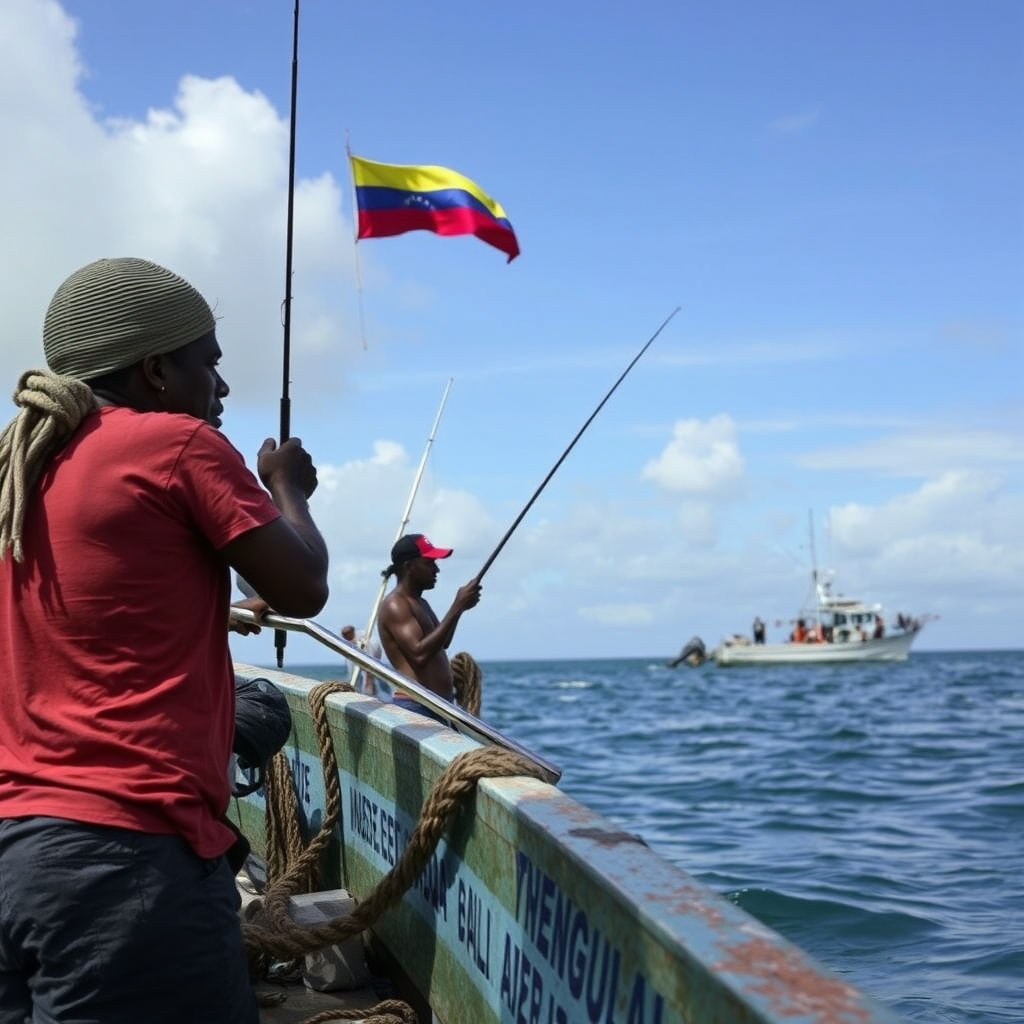
The Caribbean region has been plagued by a surge in violence and fear among Venezuelan fishermen, following a series of US strikes on boats in the area. At least 27 people have been killed in these strikes, which the US claims are targeting "narco-boats" involved in the trafficking of narcotics. However, many Venezuelan fishermen and their families are now living in fear, unsure of what the future holds. This article will delve into the details of the US strikes, the impact on Venezuelan fishermen, and the broader implications for the region.
The US Strikes on Alleged "Narco-Boats"
The US has been carrying out strikes on boats in the Caribbean, which it claims are involved in the trafficking of narcotics. The US Coast Guard and other agencies have been working to disrupt the flow of drugs into the US, and these strikes are part of a broader effort to combat organized crime in the region. However, the strikes have raised concerns among human rights groups and others, who argue that the US is not doing enough to distinguish between legitimate fishermen and those involved in illicit activities.
According to reports, the US has been using a combination of surveillance and intelligence gathering to identify and target boats suspected of being involved in narcotics trafficking. However, the accuracy of this intelligence has been questioned, and there are concerns that innocent fishermen may be being caught in the crossfire. The US has not released detailed information on the strikes, but it is believed that they have been carried out using a combination of naval vessels, aircraft, and other assets.
The impact of the strikes has been devastating for many Venezuelan fishermen and their families. Many have lost loved ones, and others have been left without a source of income. The Venezuelan fishing industry has been struggling in recent years, due to a combination of factors including economic sanctions, overfishing, and lack of investment. The US strikes have only added to the sense of uncertainty and fear among fishermen, many of whom are now too afraid to venture out to sea.
The Human Cost of the US Strikes
The human cost of the US strikes on alleged "narco-boats" has been significant. At least 27 people have been killed, and many more have been injured or displaced. The strikes have also had a profound impact on the families of those affected, many of whom are now struggling to make ends meet. The Venezuelan government has condemned the strikes, arguing that they are a violation of the country's sovereignty and an attack on its citizens.
The US strikes have also raised concerns among human rights groups, who argue that the US is not doing enough to protect the rights of fishermen and other civilians in the region. The strikes have been carried out with little transparency or accountability, and there are concerns that the US is not taking adequate steps to distinguish between legitimate fishermen and those involved in illicit activities.
The impact of the strikes has been felt beyond Venezuela, with many other countries in the region expressing concern about the US actions. The Caribbean Community (CARICOM) has called for an investigation into the strikes, and has expressed concern about the impact on the region's fishing industry. The Organization of American States (OAS) has also weighed in, calling for greater transparency and accountability from the US.
The Broader Implications for the Region
The US strikes on alleged "narco-boats" have significant implications for the Caribbean region. The strikes have raised tensions between the US and Venezuela, and have contributed to a sense of instability and uncertainty in the region. The strikes have also highlighted the need for greater cooperation and coordination between countries in the region, in order to address the root causes of organized crime and narcotics trafficking.
The Caribbean region is a major transit point for narcotics, with many drugs being smuggled into the US and other countries through the region's ports and waterways. The US has been working to disrupt the flow of drugs into the country, but its efforts have been hindered by a lack of resources and cooperation from some countries in the region.
The US strikes on alleged "narco-boats" are part of a broader effort to combat organized crime in the region. However, the strikes have also raised concerns about the impact on legitimate fishermen and the region's fishing industry. The Caribbean fishing industry is a significant contributor to the region's economy, and the US strikes have the potential to disrupt the livelihoods of thousands of people.
In order to address the root causes of organized crime and narcotics trafficking, the US and other countries in the region need to work together to provide alternative livelihoods and economic opportunities for fishermen and other communities. This could include investing in sustainable fishing practices, providing training and education programs, and supporting local economic development initiatives.
Conclusion
The US strikes on alleged "narco-boats" in the Caribbean have had a devastating impact on Venezuelan fishermen and their families. At least 27 people have been killed, and many more have been injured or displaced. The strikes have raised concerns among human rights groups and others, who argue that the US is not doing enough to distinguish between legitimate fishermen and those involved in illicit activities.
The US strikes have significant implications for the Caribbean region, highlighting the need for greater cooperation and coordination between countries to address the root causes of organized crime and narcotics trafficking. The US and other countries in the region need to work together to provide alternative livelihoods and economic opportunities for fishermen and other communities, in order to reduce the incentives for involvement in illicit activities.
As the situation continues to unfold, it is essential that the US and other countries in the region prioritize the protection of human rights and the livelihoods of legitimate fishermen. This includes providing transparency and accountability for the US strikes, and working to distinguish between legitimate fishermen and those involved in illicit activities. By taking a more nuanced and cooperative approach, the US and other countries in the region can work to address the root causes of organized crime and narcotics trafficking, and promote a more stable and secure future for all.

Leave a comment