
Introduction
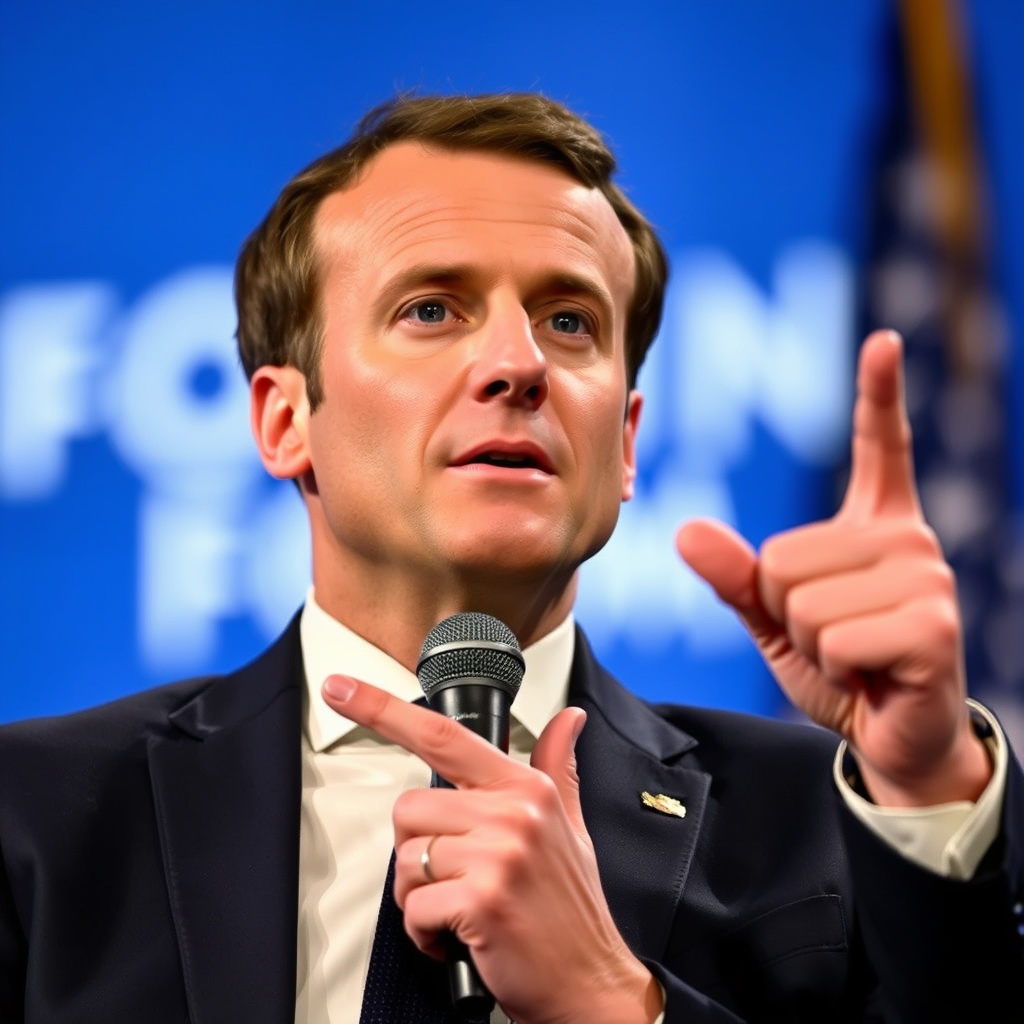
The World Economic Forum in Davos, Switzerland, has long been a platform for global leaders to discuss pressing economic and political issues. This year's gathering was no exception, with French President Emmanuel Macron making a notable appearance. In a speech that underscored the importance of international cooperation and respect, Macron indirectly addressed the rising tensions between himself and former U.S. President Donald Trump. The backdrop of this address included Trump's recent comments on social media, where he appeared to mock Macron's stance on Greenland and his proposal for a G7 meeting in Paris. This article delves into the details of Macron's speech, the context of the Trump-Macron tensions, and the implications of these developments on global politics.
The Davos Address: A Call for Respect and Cooperation
Macron's speech at Davos was characterized by a strong emphasis on the need for respect among nations and their leaders. In a thinly veiled reference to Trump, Macron stated, "We do prefer respect to bullies." This statement was seen by many as a direct response to Trump's behavior, which has been criticized for being divisive and confrontational. Macron's appeal for a more respectful and cooperative approach to international relations reflects a broader desire among many global leaders to move away from the nationalist and isolationist policies that have gained traction in recent years.
The French President also used his platform to discuss various global challenges, including climate change, economic inequality, and the need for a more equitable distribution of wealth. He emphasized the importance of multilateralism and the role of international institutions in addressing these issues. Macron's vision for a more integrated and cooperative world is in stark contrast to the "America First" policy advocated by Trump, which prioritizes national interests over international cooperation.
The Trump-Macron Tensions: A History of Disagreement
The tensions between Macron and Trump are not new. The two leaders have had a complicated relationship since Macron's election in 2017. One of the earliest points of contention was the Paris Climate Agreement, from which Trump withdrew the United States in 2017. Macron was a strong supporter of the agreement and has since become a leading voice on climate action globally.
More recently, Trump's comments on Greenland have caused friction. In 2019, Trump suggested that the United States might be interested in purchasing Greenland, an autonomous territory within the Kingdom of Denmark. Macron, along with other European leaders, criticized the suggestion, seeing it as an example of Trump's disregard for international norms and sovereignty.
The proposal for a G7 meeting in Paris was another point of contention. Trump had initially agreed to attend a G7 summit in France but later canceled, citing disagreements over the meeting's agenda. Macron's decision to proceed with the meeting, albeit in a different format, was seen as a challenge to Trump's leadership and influence within the G7.
Implications for Global Politics
The rift between Macron and Trump has significant implications for global politics. It reflects a deeper divide between those who believe in the importance of international cooperation and those who prioritize national interests above all else. The future of multilateralism, the effectiveness of international institutions, and the ability of the global community to address pressing challenges like climate change all hang in the balance.
Furthermore, the personal dynamics between world leaders can greatly influence international relations. The respect or lack thereof between leaders can set the tone for diplomatic relations between their countries. In the case of Macron and Trump, their disagreements have not only been about policy but also about style and approach, with Macron advocating for a more collaborative and respectful form of leadership.
The reaction of other global leaders to the Macron-Trump tensions will also be crucial. Many are watching to see how the situation unfolds, as it could set a precedent for how nations interact with each other in the future. The European Union, in particular, has been keen to maintain good relations with the United States while also standing firm on issues like climate change and trade.
Conclusion
In conclusion, Macron's speech at Davos underscored the importance of respect and cooperation in international relations. The tensions between Macron and Trump reflect a broader debate about the future of global politics and the role of multilateralism in addressing common challenges. As the world moves forward, the ability of leaders to work together respectfully and effectively will be crucial in tackling issues like climate change, economic inequality, and global security.
The coming years will be telling in terms of how these dynamics play out. Will the global community come together to address its challenges, or will nationalist and isolationist tendencies prevail? The answer to this question will depend on the leadership and vision of figures like Macron, who are advocating for a more cooperative and respectful world order. As the world navigates these complex issues, one thing is clear: the need for respect, cooperation, and effective leadership has never been more pressing.

Leave a comment