
Introduction
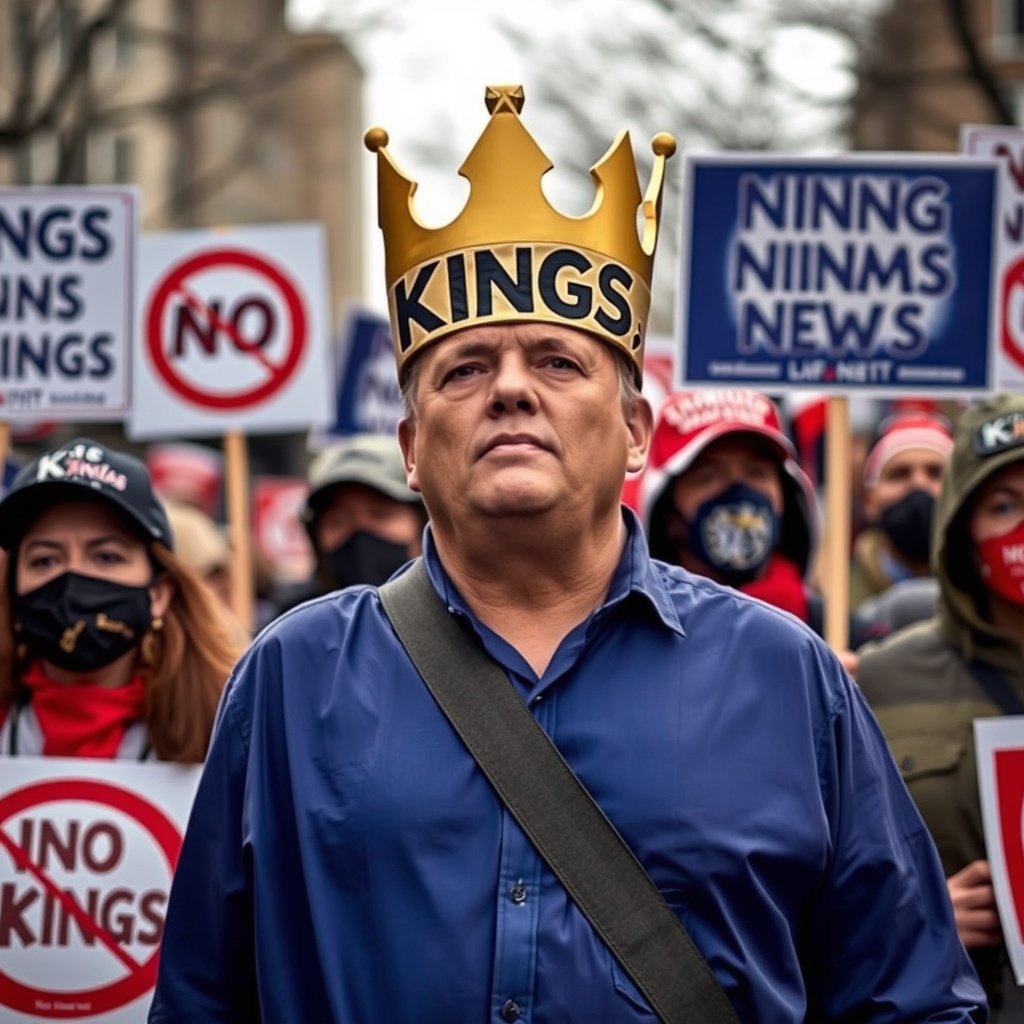
In recent years, the United States has witnessed a surge in protests and rallies, with various groups and organizations expressing their discontent with the current state of politics. One such movement that has gained significant attention is the "No Kings" rallies, which are being held nationwide to protest against former President Donald Trump. The protests are organized by activists and advocacy groups who claim that Trump's administration has overstepped its bounds and undermined the principles of democracy. In this article, we will delve into the details of the "No Kings" rallies, exploring their purpose, scope, and impact.
Background and Purpose of the Protests
The "No Kings" protests are a response to what organizers perceive as an overreach of power by the Trump administration. The movement is built around the idea that the United States is a democracy, not a monarchy, and that no individual, including the President, should have absolute authority. The protests aim to highlight issues such as Trump's handling of the economy, healthcare, immigration, and social justice, which have been contentious topics throughout his presidency. By organizing these rallies, activists and advocacy groups hope to raise awareness about these issues, mobilize public support, and push for policy changes that promote equality, justice, and democracy.
According to a report by ABC News, the "No Kings" protests are being held in multiple cities across the United States, with thousands of people expected to participate. The protests are being organized by a coalition of groups, including civil rights organizations, labor unions, and community advocacy groups. The organizers have stated that the protests will be peaceful and will feature speeches, marches, and other forms of expression. For example, in New York City, protesters plan to march from Times Square to Central Park, while in Los Angeles, protesters will gather in front of City Hall.
Scope and Organization of the Protests
The "No Kings" protests are a nationwide movement, with rallies being held in cities such as New York, Los Angeles, Chicago, and Washington D.C. The protests are being organized by a diverse range of groups, including the American Civil Liberties Union (ACLU), the National Association for the Advancement of Colored People (NAACP), and the Service Employees International Union (SEIU). These groups have come together to form a coalition that is dedicated to promoting democracy, equality, and social justice.
The protests are being promoted through social media, with organizers using platforms such as Twitter, Facebook, and Instagram to spread the word and mobilize support. Hashtags such as #NoKings and #NotMyPresident are being used to track the movement and share information about the protests. According to a report by the Pew Research Center, 70% of adults in the United States use social media, making it an effective tool for organizers to reach a wide audience.
For instance, the ACLU has created a webpage dedicated to the "No Kings" protests, providing information about the rallies, including dates, times, and locations. The page also features a toolkit for organizers, which includes tips on how to plan a successful protest, how to engage with the media, and how to ensure safety and security during the rallies.
Impact and Response to the Protests
The "No Kings" protests have the potential to have a significant impact on the national conversation about democracy, equality, and social justice. By mobilizing thousands of people across the country, the protests can help to raise awareness about key issues and push for policy changes that promote the values of democracy.
However, the protests have also been met with criticism and opposition from some quarters. Some have argued that the protests are unnecessary and divisive, and that they will only serve to further polarize the country. Others have expressed concerns about the potential for violence and disruption during the protests.
In response to these concerns, organizers have emphasized that the protests will be peaceful and respectful, and that they will work to ensure the safety and security of all participants. The organizers have also stated that the protests are not intended to be anti-Trump, but rather pro-democracy, and that they are open to people from all backgrounds and political persuasions.
According to a survey conducted by the Kaiser Family Foundation, 60% of Americans believe that protests and demonstrations are an effective way to bring about social change. The survey also found that 70% of Americans believe that the country is more divided than it has been in the past, highlighting the need for movements like the "No Kings" protests to promote unity and understanding.
Case Studies and Examples
The "No Kings" protests are not an isolated incident, but rather part of a broader trend of protests and rallies that have been taking place across the United States in recent years. For example, the Women's March, which took place in January 2017, drew millions of people to cities across the country, with protesters advocating for women's rights, social justice, and equality.
Another example is the March for Our Lives, which took place in March 2018, and saw thousands of students and activists rally in support of gun control and an end to gun violence. These protests demonstrate the power of grassroots organizing and the importance of citizen engagement in shaping the national conversation.
In addition, the "No Kings" protests have been compared to the anti-war protests of the 1960s and 1970s, which were a key factor in shaping public opinion and influencing government policy. The protests have also been likened to the civil rights movement, which used nonviolent resistance and civil disobedience to challenge segregation and discrimination.
Conclusion
The "No Kings" rallies are a significant development in the ongoing debate about democracy, equality, and social justice in the United States. By mobilizing thousands of people across the country, the protests have the potential to raise awareness about key issues and push for policy changes that promote the values of democracy. While the protests have been met with criticism and opposition from some quarters, organizers have emphasized that the rallies will be peaceful and respectful, and that they are open to people from all backgrounds and political persuasions.
As the country continues to grapple with the challenges of democracy, equality, and social justice, the "No Kings" protests serve as a reminder of the importance of citizen engagement and activism. By coming together to express their views and advocate for change, Americans can help to shape the national conversation and promote a more just and equitable society.
In the words of Martin Luther King Jr., "The ultimate measure of a man is not where he stands in moments of comfort and convenience, but where he stands at times of challenge and controversy." The "No Kings" protests are a testament to the power of grassroots organizing and the importance of standing up for what is right, even in the face of challenge and controversy.
As we look to the future, it is clear that the "No Kings" protests will be an important part of the ongoing conversation about democracy, equality, and social justice in the United States. By providing a platform for people to express their views and advocate for change, the protests have the potential to inspire a new generation of activists and leaders, and to help shape a more just and equitable society for all.

Leave a comment