
Introduction
The F-35 fighter jet, considered one of the most advanced military aircraft in the world, has been at the center of a contentious debate following President Donald Trump's announcement to sell the jet to Saudi Arabia. This decision has sparked concerns among lawmakers and security experts, who fear that the sensitive technology could fall into the wrong hands, particularly China. In this article, we will delve into the details of the F-35 fighter jet, its capabilities, and the implications of selling it to Saudi Arabia.
History and Development of the F-35
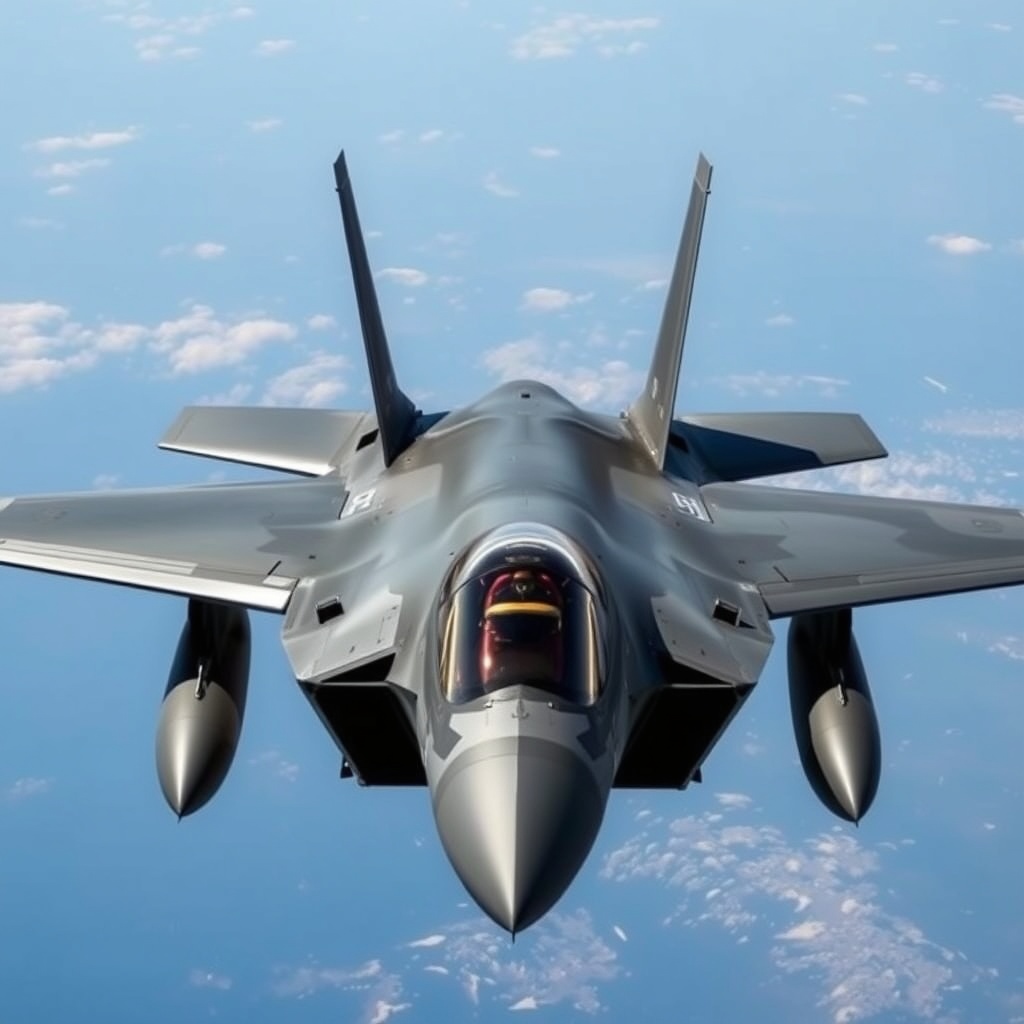
The F-35 Lightning II is a fifth-generation, single-seat, single-engine, multirole fighter jet developed by Lockheed Martin. The program began in the early 2000s, with the first flight taking place in 2006. The F-35 is designed to perform a variety of missions, including air-to-air combat, air-to-ground strikes, and intelligence, surveillance, and reconnaissance (ISR). The jet features advanced stealth capabilities, allowing it to evade enemy radar systems, as well as a sophisticated avionics system and advanced sensors.
The F-35 program has been one of the most expensive and complex in the history of the US military, with an estimated total cost of over $1.7 trillion. The jet has been adopted by several countries, including the United Kingdom, Australia, and Israel, and has been used in combat operations in the Middle East. Despite its advanced capabilities, the F-35 has faced criticism for its high cost, technical issues, and limited availability.
Capabilities and Features of the F-35
The F-35 is equipped with a range of advanced features, including:
- Stealth technology: The F-35's design and materials are optimized to reduce its radar cross-section, making it difficult to detect and track.
- Advanced avionics: The jet's avionics system includes advanced sensors, radar, and communication systems, allowing it to gather and process vast amounts of data in real-time.
- Multirole capabilities: The F-35 can perform a variety of missions, including air-to-air combat, air-to-ground strikes, and ISR.
- Short takeoff and vertical landing (STOVL): The F-35B variant is capable of taking off and landing vertically, like a helicopter, making it ideal for use on aircraft carriers and in urban environments.
The F-35's advanced capabilities make it an attractive asset for any military, but also raise concerns about the potential risks of selling it to countries with questionable human rights records or ties to adversarial nations.
Implications of Selling the F-35 to Saudi Arabia
The sale of the F-35 to Saudi Arabia has sparked controversy due to concerns about the country's human rights record, its role in the Yemen civil war, and its ties to China. Critics argue that the sale could:
- Undermine US national security: The transfer of advanced technology to Saudi Arabia could compromise US national security, particularly if the technology falls into the wrong hands.
- Enable Chinese access: Saudi Arabia has close ties with China, which could potentially gain access to the F-35's sensitive technology, undermining the US's competitive advantage in the region.
- Exacerbate regional conflicts: The sale of the F-35 to Saudi Arabia could exacerbate regional conflicts, particularly in the Middle East, where the country has been involved in several military interventions.
In response to these concerns, the US government has imposed certain conditions on the sale, including requirements for Saudi Arabia to implement strict security protocols and to use the jets only for defensive purposes. However, these measures may not be enough to mitigate the risks associated with the sale.
Case Studies and Examples
The sale of advanced military technology to foreign countries is not without precedent. In the 1990s, the US sold F-16 fighter jets to Pakistan, which were later used in combat operations against India. In 2019, the US approved the sale of F-16s to Taiwan, despite opposition from China.
These examples highlight the complexities and risks associated with selling advanced military technology to foreign countries. The F-35 sale to Saudi Arabia is particularly contentious due to the country's human rights record and its ties to China.
Statistics and Data
The F-35 program has been one of the most expensive and complex in the history of the US military. According to the Government Accountability Office (GAO), the total cost of the F-35 program is estimated to be over $1.7 trillion. The program has also faced significant delays and technical issues, with the jet's availability rate averaging around 50% in 2020.
In terms of the sale to Saudi Arabia, the US government has agreed to sell 84 F-35s to the country, with an estimated total cost of over $15 billion. The sale is expected to create thousands of jobs in the US and to generate significant revenue for Lockheed Martin and other defense contractors.
Conclusion
The sale of the F-35 fighter jet to Saudi Arabia is a complex and contentious issue, with significant implications for US national security, regional stability, and the global balance of power. While the F-35 is an advanced and capable military asset, its sale to Saudi Arabia raises concerns about the potential risks of transferring sensitive technology to a country with questionable human rights record and ties to adversarial nations.
As the US government moves forward with the sale, it is essential to carefully consider the potential consequences and to implement measures to mitigate the risks associated with the transfer of advanced technology. The F-35 sale to Saudi Arabia serves as a reminder of the complexities and challenges of international arms sales and the need for careful consideration and scrutiny in such transactions.
In the future, the US government must prioritize transparency, accountability, and caution when selling advanced military technology to foreign countries. This includes conducting thorough risk assessments, implementing strict security protocols, and ensuring that the sale aligns with US national security interests and values. By doing so, the US can minimize the risks associated with the sale of advanced military technology and promote regional stability and security.

Leave a comment