
Introduction
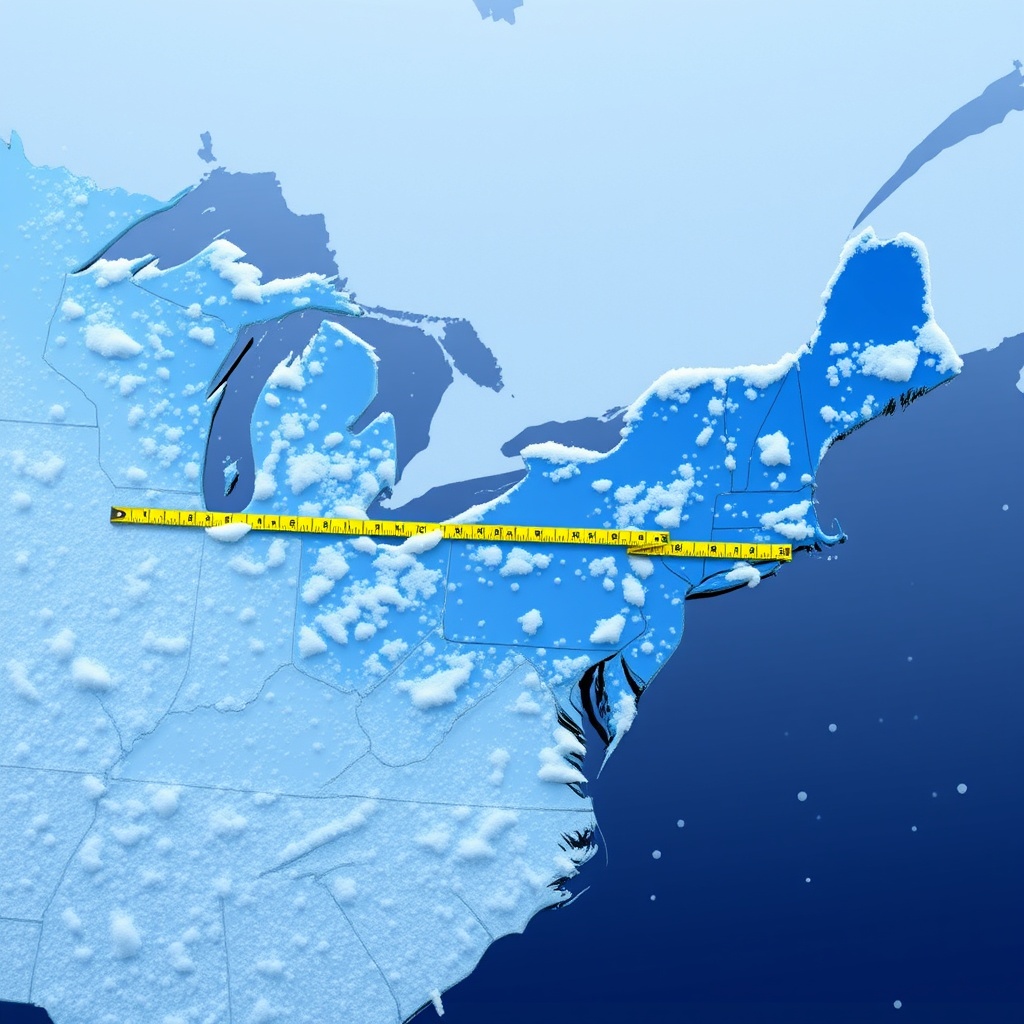
A powerful nor'easter is forecasted to impact the East Coast of the United States this weekend, bringing with it the potential for significant snowfall, strong winds, and travel disruptions. The storm system is expected to form near the Mid-Atlantic coast on Sunday, posing a threat to the region's transportation infrastructure and daily life. As the winter season continues to unfold, this nor'easter has the potential to be one of the most significant snowfall events of the year, with some areas potentially seeing snow measured in inches or even feet. In this article, we will delve into the details of the forecast, exploring the potential impacts of the storm and what residents can expect.
Understanding Nor'easters
Before we dive into the specifics of this weekend's forecast, it's essential to understand what a nor'easter is and how it forms. A nor'easter is a type of winter storm that forms along the East Coast of the United States, typically within 100 miles of the coastline. These storms are fueled by the contrast between cold air from Canada and warm air from the Gulf Stream, which creates a unique combination of moisture and lift. As the storm system strengthens, it can produce heavy snowfall, strong winds, and coastal flooding, making it a significant threat to the region.
Nor'easters are known for their ability to bring significant snowfall to the East Coast, with some storms producing over a foot of snow in a matter of hours. The storms can also produce strong winds, which can lead to power outages and property damage. In addition to the snow and wind, nor'easters can also produce coastal flooding, particularly during high tide cycles. This can lead to significant disruptions to coastal communities, including evacuations and damage to homes and businesses.
The Forecast
According to the latest forecast models, the nor'easter is expected to form near the Mid-Atlantic coast on Sunday, with the potential to bring significant snowfall to the region. The storm system is expected to strengthen rapidly, with some models suggesting that it could become a bomb cyclone, a type of storm that rapidly intensifies over a 24-hour period. This rapid intensification can lead to a significant increase in snowfall rates, making it difficult for forecasters to predict the exact amount of snow that will fall.
The National Weather Service (NWS) has issued a Winter Storm Watch for several counties in the Mid-Atlantic region, including Washington D.C., Maryland, and Virginia. The watch is in effect from Sunday morning through Monday evening, with the potential for 6-12 inches of snow in some areas. However, some models are suggesting that the snowfall totals could be even higher, with some areas potentially seeing over 18 inches of snow.
In addition to the snow, the storm system is also expected to produce strong winds, with gusts potentially reaching up to 50 mph. This could lead to power outages and property damage, particularly in areas with weak tree branches and power lines. The NWS has also issued a High Wind Watch for several counties in the region, with the potential for sustained winds of 30-40 mph.
Potential Impacts
The potential impacts of the nor'easter are significant, with the storm system posing a threat to the region's transportation infrastructure and daily life. The snowfall and strong winds could lead to significant disruptions to air travel, with several airports in the region potentially experiencing delays and cancellations. The storm could also impact road travel, with the snow and ice making it difficult for drivers to navigate the roads.
In addition to the transportation impacts, the storm could also have a significant impact on the region's economy. The snow and strong winds could lead to power outages, which could affect businesses and homes throughout the region. The storm could also impact the region's retail and hospitality industries, with the snow and ice making it difficult for people to venture out and shop or dine.
The nor'easter could also have a significant impact on the region's infrastructure, particularly in areas with aging infrastructure. The snow and ice could put a significant strain on the region's power grid, leading to power outages and damage to infrastructure. The storm could also impact the region's water and sewage systems, particularly in areas with aging pipes and infrastructure.
Preparing for the Storm
As the nor'easter approaches, it's essential for residents to prepare for the potential impacts of the storm. This includes stocking up on food and water, as well as charging electronic devices and having a backup power source available. Residents should also plan to stay indoors during the storm, avoiding travel unless absolutely necessary.
In addition to preparing for the storm, residents should also take steps to protect their homes and businesses. This includes clearing gutters and downspouts, as well as trimming tree branches and securing outdoor furniture and decorations. Residents should also consider installing storm shutters or impact-resistant windows to protect their homes from the strong winds.
The American Red Cross has also issued several tips for preparing for the storm, including having a winter storm kit with essentials such as food, water, and first aid supplies. The organization also recommends having a plan in place in case of a power outage, including a backup power source and a way to stay warm.
Case Studies
Several nor'easters have impacted the East Coast in recent years, providing valuable lessons for preparing for and responding to these types of storms. One notable example is the Blizzard of 2016, which brought significant snowfall to the Mid-Atlantic region. The storm dumped over 2 feet of snow in some areas, leading to significant disruptions to transportation and daily life.
Another notable example is the nor'easter that impacted the Northeast in 2018, which brought significant coastal flooding to several communities. The storm produced a storm surge of over 3 feet in some areas, leading to significant damage to homes and businesses. The storm also produced strong winds, with gusts reaching up to 70 mph in some areas.
These case studies highlight the importance of preparing for nor'easters and taking steps to protect homes and businesses from the potential impacts of the storm. By understanding the potential risks and taking proactive steps to prepare, residents can reduce the potential impacts of the storm and stay safe during the winter months.
Conclusion
The nor'easter forecasted to impact the East Coast this weekend has the potential to be one of the most significant snowfall events of the year, with some areas potentially seeing snow measured in inches or even feet. As the storm system approaches, it's essential for residents to prepare for the potential impacts, including stocking up on food and water, charging electronic devices, and planning to stay indoors during the storm.
By understanding the potential risks and taking proactive steps to prepare, residents can reduce the potential impacts of the storm and stay safe during the winter months. The nor'easter is a significant threat to the region's transportation infrastructure and daily life, and it's essential for residents to take the storm seriously and take steps to protect themselves and their loved ones.
As the winter season continues to unfold, it's essential to stay informed about the latest forecast and take steps to prepare for any potential storms. By doing so, residents can reduce the potential impacts of the storm and stay safe during the winter months. The nor'easter is a powerful reminder of the importance of being prepared and taking proactive steps to protect ourselves and our communities from the potential risks of winter storms.

Leave a comment