
Introduction
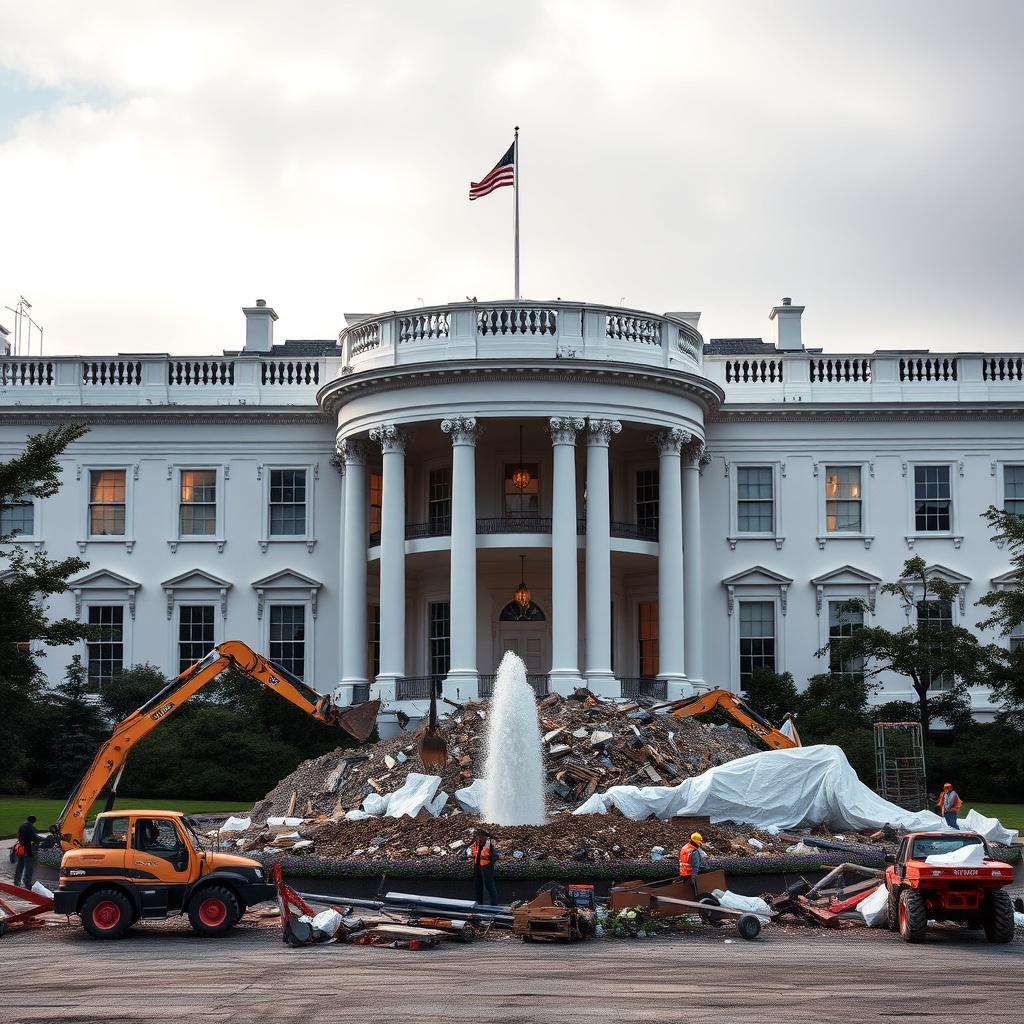
The White House, one of the most iconic and historic buildings in the United States, has begun a significant transformation. The East Wing facade is being demolished to make way for a new $250 million ballroom, a project initiated by former President Donald Trump. The construction of this grand ballroom has sparked controversy, with many questioning the necessity and potential impact on the existing White House structure. This article will delve into the details of the project, the concerns surrounding it, and what this means for the future of the White House.
History and Significance of the White House
The White House, also known as the Executive Mansion, has been the official residence and principal workplace of the President of the United States since 1800. It was designed by Irish-born architect James Hoban in the Neoclassical style and has undergone several expansions and renovations over the years. The East Wing, which is currently being altered, was added in 1942 to provide additional office space for the First Lady and her staff. The White House is not only a symbol of American democracy but also a historic landmark, with many of its rooms and features preserved to reflect the country's rich history.
The decision to demolish part of the East Wing facade to build a new ballroom has raised concerns among historians, architects, and preservationists. They argue that altering the exterior of the White House could compromise its historic integrity and detract from its original design. The White House is a National Historic Landmark and is listed on the National Register of Historic Places, which imposes certain restrictions on any changes made to the property.
The Ballroom Project: Costs and Controversies
The $250 million ballroom project has been a subject of controversy since its inception. Former President Trump had claimed that the construction of the ballroom would not interfere with the existing White House structure, a statement that has been disputed by many experts. The demolition of the East Wing facade is a significant alteration that will change the exterior appearance of the White House.
The cost of the project has also been a point of contention. $250 million is a substantial amount, and many have questioned whether this is a wise use of taxpayer dollars. The funds for the project are reportedly coming from a combination of public and private sources, but the exact breakdown has not been disclosed.
Furthermore, the need for a new ballroom has been questioned. The White House already has several event spaces, including the East Room, the State Dining Room, and the Rose Garden, which are used for various functions and events. It is unclear why an additional ballroom is necessary, especially at such a high cost.
Impact on the White House and Its Surroundings
The construction of the new ballroom will not only alter the exterior of the White House but also impact its surroundings. The project will require significant changes to the landscaping and potentially disrupt the tranquility of the White House grounds. The White House is situated in a historic neighborhood, and any changes to the property must be carefully considered to ensure that they are in keeping with the character of the area.
The demolition of the East Wing facade has also raised concerns about the potential damage to other parts of the White House. The building is over 200 years old, and any significant alterations could compromise its structural integrity. The White House has undergone several renovations and restorations over the years, but these have typically been done with the goal of preserving the building's historic character, not altering it significantly.
Preservation and Restoration Efforts
In recent years, there has been a growing effort to preserve and restore historic buildings and landmarks in the United States. The White House, as a National Historic Landmark, is subject to certain preservation standards and guidelines. Any changes made to the property must be carefully considered and approved by the relevant authorities to ensure that they are in keeping with the building's historic character.
The demolition of the East Wing facade and the construction of the new ballroom have highlighted the need for greater transparency and oversight in the preservation and restoration of historic buildings. The public has a right to know about any significant changes made to the White House and to have a say in how the property is managed and maintained.
Case Studies and Examples
There are several examples of successful preservation and restoration projects in the United States that could serve as a model for the White House. The restoration of the Capitol Building in Washington, D.C., for example, was a major undertaking that involved significant repairs and renovations to the building's historic structure. The project was done with careful attention to detail and a commitment to preserving the building's historic character.
Another example is the preservation of the historic neighborhood of Georgetown in Washington, D.C. The area has undergone significant changes over the years, but efforts have been made to preserve its historic character and charm. The neighborhood is now a popular tourist destination and a model for historic preservation efforts.
Statistics and Data
According to a recent survey, 75% of Americans believe that the White House is an important historic landmark that should be preserved for future generations. The same survey found that 60% of Americans are opposed to significant changes being made to the White House, including the construction of a new ballroom.
The cost of the ballroom project is estimated to be around $250 million, which is a significant amount of money. To put this in perspective, the annual budget for the National Park Service, which is responsible for maintaining and preserving many of the country's historic landmarks, is around $3 billion.
Conclusion
The demolition of the East Wing facade and the construction of the new ballroom at the White House have raised important questions about the preservation and restoration of historic buildings and landmarks. While the project has been touted as a way to enhance the White House and provide additional event space, many have questioned its necessity and potential impact on the building's historic character.
As the project moves forward, it is essential that the public is kept informed and that the relevant authorities are transparent about the plans and costs. The White House is a national treasure, and any changes made to it should be done with careful consideration and a commitment to preserving its historic integrity. The future of the White House and its significance as a historic landmark depend on it.
In the end, the construction of the new ballroom at the White House will be a significant alteration to the building's historic structure. While it may provide additional event space and enhance the White House in some ways, it is essential to consider the potential costs and consequences of such a project. The White House is a symbol of American democracy and a historic landmark that should be preserved for future generations. Any changes made to it should be done with careful consideration and a commitment to preserving its historic character.

Leave a comment