
Introduction
As the holiday season reaches its peak, a powerful winter storm is sweeping across the United States, bringing with it heavy snow and ice to the Upper Midwest, Great Lakes, and Northeast regions. The storm, which is expected to last throughout the weekend, has already caused significant disruptions to holiday travel plans, with thousands of flights delayed or canceled and roads becoming increasingly treacherous. According to the National Weather Service (NWS), the storm is expected to bring extreme weather conditions, including blizzard-like conditions, freezing rain, and sleet, making it a challenging weekend for those looking to travel. In this article, we will explore the impact of the winter storm on holiday travel, the latest updates from the NWS, and provide tips for staying safe on the roads.
The Storm's Impact on Holiday Travel
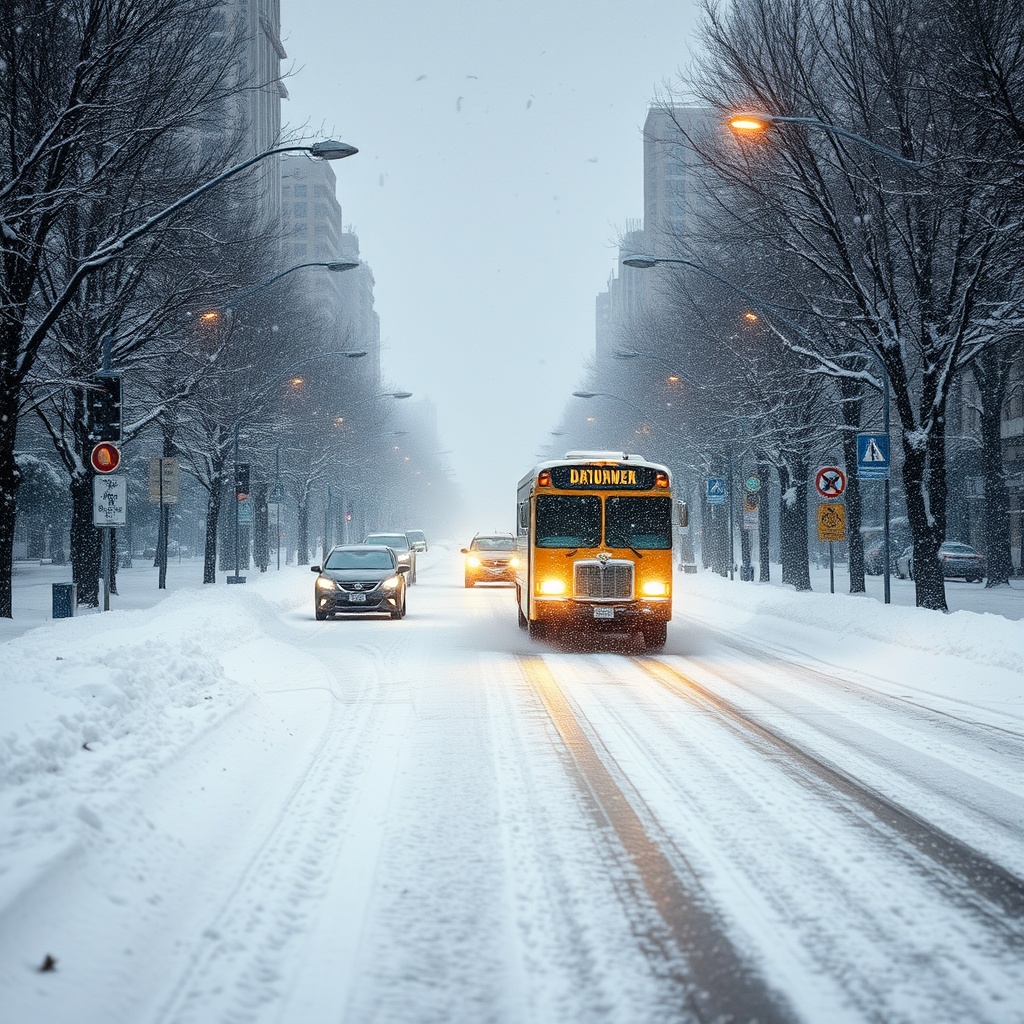
The winter storm is hitting at a particularly bad time, with the weekend following Christmas being one of the busiest travel periods of the year. According to the American Automobile Association (AAA), over 112 million people were expected to travel more than 50 miles from home during the holiday period, with the majority of those travelers planning to drive. However, with the storm bringing heavy snow and ice to many parts of the country, travelers are facing significant disruptions to their plans. Many flights have been canceled or delayed, and roads are becoming increasingly hazardous, with multiple accidents reported across the affected regions.
For example, at Chicago's O'Hare International Airport, one of the busiest airports in the world, over 500 flights were canceled on Friday alone, with many more expected to be canceled or delayed over the weekend. Similarly, in the Northeast, the Massachusetts Department of Transportation reported that over 100 accidents had occurred on the state's roads, with many more expected as the storm continues to intensify. The NWS has issued winter storm warnings and advisories for many parts of the country, urging travelers to exercise extreme caution when traveling and to check the latest weather forecasts before embarking on their journeys.
The Latest Updates from the National Weather Service
The NWS is closely monitoring the storm's progress, providing regular updates on the latest weather conditions and forecasts. According to the NWS, the storm is expected to bring significant snowfall to many parts of the country, with some areas expected to receive over a foot of snow. The NWS has also warned of the potential for freezing rain and sleet, which can make roads particularly hazardous. In addition, the NWS has issued blizzard warnings for some areas, indicating that the storm will bring sustained winds of over 35 mph, along with heavy snowfall, reducing visibility to less than a quarter mile.
The NWS is using a range of tools to track the storm, including satellite imagery, radar, and weather models. The agency is also working closely with other government agencies, such as the Federal Aviation Administration (FAA) and the Department of Transportation, to ensure that travelers have access to the latest information and can plan their journeys accordingly. For example, the NWS has launched a range of social media campaigns, using platforms such as Twitter and Facebook, to provide regular updates on the storm's progress and to offer safety tips to travelers.
Staying Safe on the Roads
As the storm continues to intensify, it is essential for travelers to take necessary precautions to stay safe on the roads. The NWS and other government agencies are urging travelers to check the latest weather forecasts before embarking on their journeys and to exercise extreme caution when driving. This includes reducing speed, using low gear, and avoiding sudden movements, such as hard braking or acceleration. Travelers should also ensure that their vehicles are winter-ready, with proper tires, functioning brakes, and a full tank of gas.
In addition, travelers should be prepared for emergencies, such as a breakdown or accident, by carrying a winter survival kit in their vehicle. This should include items such as a first aid kit, flashlight, blanket, and snacks, as well as a fully charged phone and a backup power source, such as a portable charger. The American Red Cross has also issued a range of safety tips, including advising travelers to stay informed about the weather, to avoid traveling during the worst of the storm, and to keep a winter survival kit in their vehicle.
For example, in the event of a breakdown, travelers should move their vehicle to a safe location, such as a parking lot or a wide shoulder, and turn on their hazard lights. They should then call for assistance, such as a tow truck or roadside assistance, and wait for help to arrive. In the event of an accident, travelers should call 911 and follow the instructions of emergency responders.
Conclusion
The winter storm that is sweeping across the United States is having a significant impact on holiday travel, with thousands of flights delayed or canceled and roads becoming increasingly treacherous. The NWS is closely monitoring the storm's progress, providing regular updates on the latest weather conditions and forecasts. As the storm continues to intensify, it is essential for travelers to take necessary precautions to stay safe on the roads, including checking the latest weather forecasts, exercising extreme caution when driving, and being prepared for emergencies. By following these tips and staying informed about the weather, travelers can help ensure a safe and enjoyable holiday season. As we look to the future, it is clear that the winter storm will have a lasting impact on holiday travel, and it is essential that we learn from this experience to better prepare for future storms.

Leave a comment