
Introduction
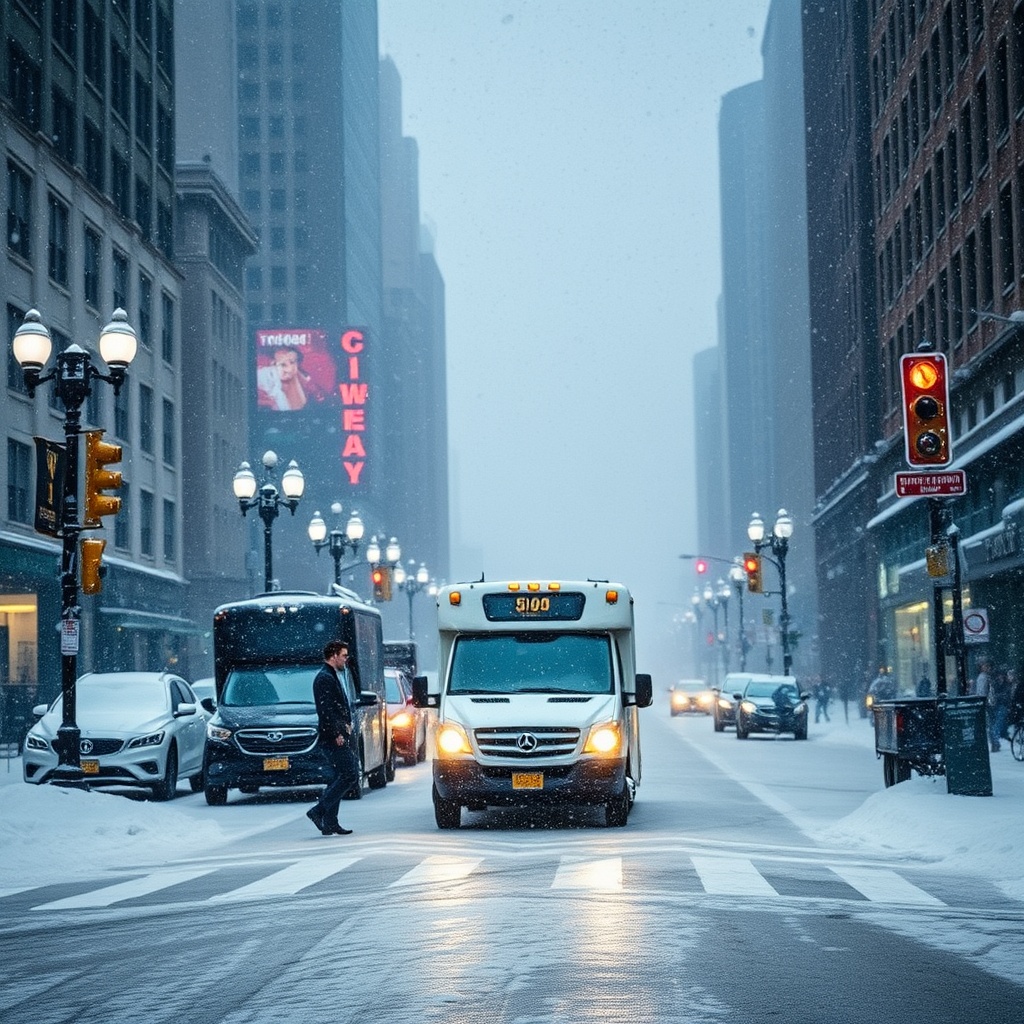
A powerful winter storm has hit the New York City (NYC) and Tri-State Area, bringing with it heavy snow, sleet, and extremely cold temperatures. The region has been bracing for the storm's impact, with residents and officials taking necessary precautions to ensure public safety. As the storm continues to unfold, this article will provide live updates on the situation, including the amount of snowfall, travel disruptions, and other relevant information. The storm's effects will be felt across NYC, New Jersey, and Connecticut, making it essential to stay informed about the latest developments.
Winter Storm Overview
The winter storm, which has been described as a "monster" storm, is expected to bring significant snowfall and freezing temperatures to the region. According to the National Weather Service (NWS), the storm has the potential to dump up to 12 inches of snow in some areas, with higher elevations potentially seeing even more. The storm's impact will be felt across the entire Tri-State Area, with New Jersey and Connecticut expected to receive similar amounts of snow. The NWS has issued a Winter Storm Warning for the region, which will remain in effect until the storm passes.
The storm's effects will not be limited to snowfall, as sleet and freezing rain are also expected to play a role. The icy conditions will make travel extremely hazardous, with roads and sidewalks becoming slippery and treacherous. The storm's cold temperatures will also pose a significant threat, with wind chill values expected to drop below -10°F in some areas. The extreme cold will increase the risk of hypothermia and frostbite, making it essential for residents to take necessary precautions to stay warm and safe.
Impact on Transportation and Daily Life
The winter storm will have a significant impact on transportation and daily life in the NYC and Tri-State Area. Roads will become extremely hazardous, with snow and ice making travel difficult and dangerous. The New York City Department of Transportation (NYCDOT) has announced that it will be deploying salt trucks and plows to clear roads, but residents are still advised to avoid travel unless absolutely necessary. The NYCDOT has also implemented a Winter Weather Plan, which includes the deployment of over 1,000 snowplows and salt spreaders to keep roads clear.
Air travel will also be disrupted, with flights in and out of the region's major airports expected to be delayed or canceled. The Port Authority of New York and New Jersey has announced that it will be providing updates on flight status and travel advisories, and residents are advised to check with their airlines before heading to the airport. According to the Federal Aviation Administration (FAA), over 1,000 flights have been canceled at the region's major airports, with many more expected to be delayed.
The storm will also impact daily life, with schools and businesses potentially closing due to the severe weather conditions. Residents are advised to check with their local school districts and employers for updates on closures and schedule changes. The storm's effects will also be felt in the region's public transportation system, with bus and train service potentially being disrupted. The Metropolitan Transportation Authority (MTA) has announced that it will be providing updates on service disruptions and schedule changes, and residents are advised to check the MTA website for the latest information.
Safety Precautions and Emergency Preparedness
As the winter storm continues to unfold, it is essential for residents to take necessary safety precautions to ensure their well-being. The American Red Cross has issued a list of safety tips, including staying indoors during the storm, avoiding travel, and keeping warm. Residents are also advised to have a winter storm emergency kit on hand, which should include items such as flashlights, batteries, and warm blankets. According to the Red Cross, over 100,000 residents in the region have already taken steps to prepare for the storm, with many more expected to do so in the coming hours.
The storm's extreme cold will also pose a significant threat, with the risk of hypothermia and frostbite increasing. Residents are advised to dress warmly, with layers of clothing and a warm hat and gloves. The NYC Department of Health and Mental Hygiene has issued a warning about the dangers of carbon monoxide poisoning, which can occur when generators or other fuel-powered equipment are used indoors. According to the Department of Health, over 100 cases of carbon monoxide poisoning have been reported in the region in the past year, with many more expected to occur during the storm.
In addition to taking individual safety precautions, residents are also advised to be prepared for potential power outages. The region's utility companies, including Con Edison and PSEG, have announced that they will be working to restore power as quickly as possible in the event of an outage. Residents are advised to have a plan in place in case of a power outage, including a backup power source and a plan for alternative heating and lighting.
Economic Impact and Community Response
The winter storm will also have a significant economic impact on the region, with businesses and industries potentially suffering losses due to the severe weather conditions. According to a report by the National Oceanic and Atmospheric Administration (NOAA), the economic impact of winter storms can be significant, with some storms causing over $1 billion in damages. The region's small businesses, in particular, may be vulnerable to the storm's effects, with many relying on foot traffic and customer sales to stay afloat.
Despite the challenges posed by the storm, the community is coming together to respond to the crisis. Volunteer groups, such as the NYC Volunteer Corps, are working to provide support and assistance to those in need. The NYC Department of Homeless Services has also announced that it will be providing additional services and support to homeless individuals, including warm clothing and shelter. According to the Department of Homeless Services, over 1,000 homeless individuals have already been provided with warm clothing and shelter, with many more expected to receive assistance in the coming days.
Case Study: The Impact of Winter Storms on Vulnerable Populations
The winter storm will have a disproportionate impact on vulnerable populations, including the elderly, low-income families, and homeless individuals. These populations often lack access to resources and support, making it difficult for them to prepare for and respond to the storm. According to a report by the National Center for Disaster Preparedness, vulnerable populations are more likely to experience negative health outcomes and economic losses due to winter storms.
In response to this challenge, the NYC Department of Health and Mental Hygiene has launched a program to provide support and assistance to vulnerable populations. The program includes the provision of warm clothing, food, and shelter, as well as access to medical care and other essential services. The program has already provided assistance to over 1,000 vulnerable individuals, with many more expected to receive support in the coming days.
Conclusion
The winter storm that has hit the NYC and Tri-State Area will have a significant impact on the region, with heavy snow, sleet, and extreme cold temperatures posing a threat to public safety. As the storm continues to unfold, it is essential for residents to stay informed about the latest developments and take necessary precautions to ensure their well-being. By working together, the community can respond to the crisis and provide support and assistance to those in need. As the region begins to recover from the storm, it is essential to take steps to prepare for future winter storms, including investing in infrastructure and emergency preparedness measures. By doing so, the region can minimize the impact of future storms and ensure the safety and well-being of its residents.
In the coming days and weeks, the region will begin to assess the full impact of the storm, including the economic losses and damage to infrastructure. The storm will also provide an opportunity for the region to come together and respond to the crisis, with volunteer groups and community organizations playing a critical role in providing support and assistance to those in need. As the region looks to the future, it is essential to prioritize emergency preparedness and infrastructure investment, ensuring that the region is better equipped to respond to future winter storms and other disasters.

Leave a comment