
Introduction
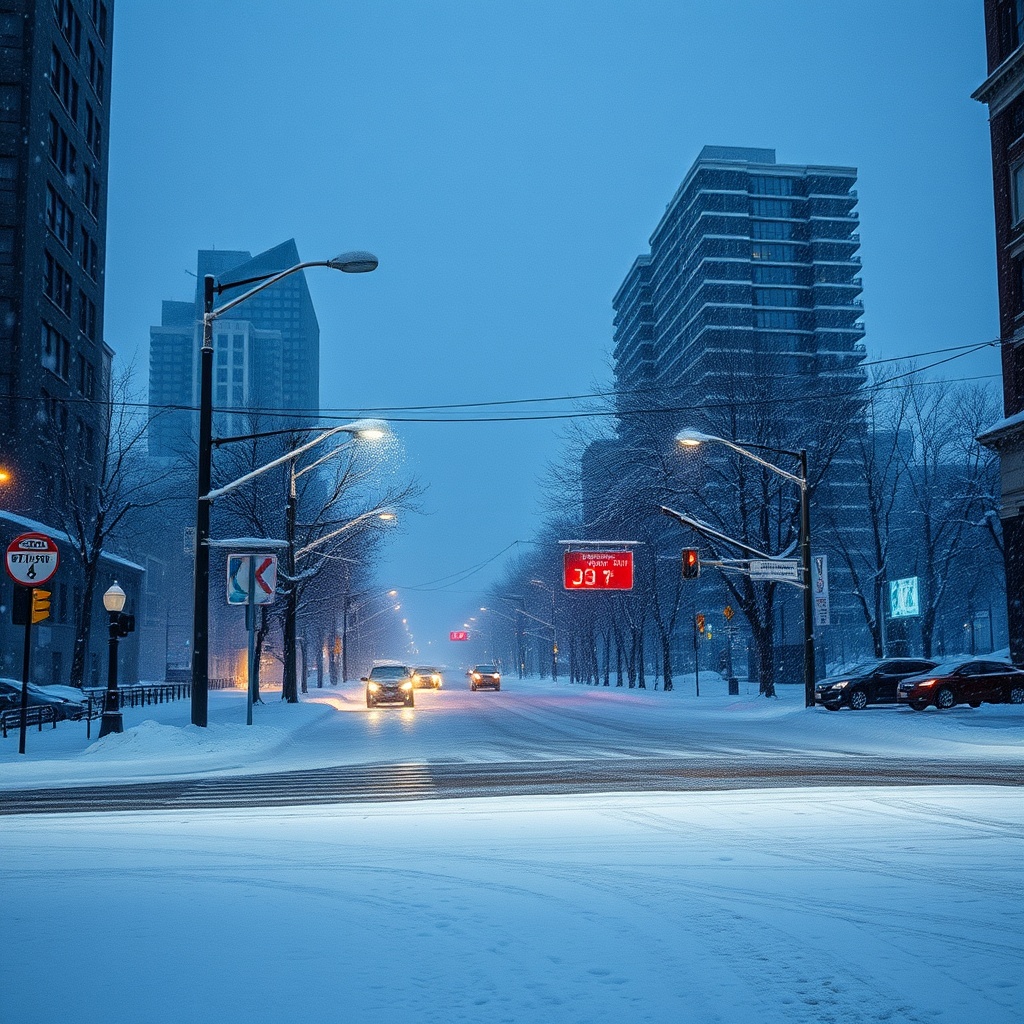
A powerful winter storm has brought significant snowfall and ice to the Tri-State Area, prompting New York and New Jersey to declare states of emergency. The storm, which has been affecting the region for several days, has caused widespread disruptions to daily life, including travel, work, and school. As the storm continues to move through the area, residents are bracing for the worst, with many preparing for extended periods of time without power or heat. In this article, we will delve into the details of the storm, its impact on the region, and the efforts being made to mitigate its effects.
Storm Overview
The winter storm, which began on a Monday, has been characterized by heavy snowfall, freezing rain, and sleet. The National Weather Service (NWS) has issued a Winter Storm Warning for the entire Tri-State Area, with some areas expected to receive over 12 inches of snow and ice. The storm has been fueled by a low-pressure system that developed in the Midwest and has been moving eastward, bringing cold air and moisture with it. As the storm has moved through the region, it has caused significant disruptions to air travel, with many flights canceled or delayed at airports such as John F. Kennedy International Airport (JFK) and Newark Liberty International Airport (EWR).
According to the NWS, the storm has brought significant snowfall to the region, with some areas receiving over 18 inches of snow. The snowfall has been accompanied by freezing rain and sleet, making travel conditions extremely hazardous. The New York State Department of Transportation has reported that many roads are impassable, and the New Jersey Department of Transportation has advised residents to stay off the roads unless absolutely necessary. The storm has also caused significant power outages, with over 100,000 households affected in New York and New Jersey.
Impact on Daily Life
The winter storm has had a significant impact on daily life in the Tri-State Area. Many schools and businesses have been closed, and public transportation has been severely disrupted. The Metropolitan Transportation Authority (MTA) has reported significant delays and cancellations on its subway and bus lines, and the Long Island Rail Road (LIRR) has suspended service on several lines. The storm has also caused significant disruptions to healthcare services, with many hospitals and medical facilities experiencing staffing shortages and transportation difficulties.
The storm has also had a significant impact on the economy, with many businesses forced to close or reduce hours. According to a report by the National Retail Federation, the storm has cost the retail industry over $1 billion in lost sales. The storm has also caused significant disruptions to supply chains, with many deliveries and shipments delayed or canceled. The Federal Emergency Management Agency (FEMA) has reported that the storm has caused over $100 million in damages, with many homes and businesses affected.
Response and Recovery Efforts
The response to the winter storm has been swift and comprehensive, with many government agencies and organizations working together to mitigate its effects. The Federal Emergency Management Agency (FEMA) has deployed teams to the region to assist with response and recovery efforts, and the American Red Cross has set up shelters and warming centers for those in need. The National Guard has also been deployed to assist with snow removal and other tasks.
The New York City Department of Sanitation has reported that it has deployed over 1,000 snowplows and salt spreaders to clear streets and sidewalks, and the New Jersey Department of Transportation has deployed over 500 snowplows and salt spreaders to clear roads and highways. The cities of New York and Newark have also implemented snow emergency plans, which include parking restrictions and trash collection schedules. The storm has also brought out the best in people, with many neighbors and community members coming together to help those in need.
Case Study: Community Response
One notable example of community response to the storm is the efforts of the New York City-based non-profit organization, NYC Relief. The organization, which provides food, clothing, and other essential items to those in need, has been working tirelessly to deliver supplies to affected communities. According to the organization's executive director, "The storm has been a significant challenge for our organization, but we have been heartened by the outpouring of support from the community. We have received donations of food, clothing, and other essential items, and we have been able to deliver these items to those who need them most."
Another example of community response is the efforts of the Connecticut-based organization, Connecticut Community Care. The organization, which provides home care services to seniors and people with disabilities, has been working to ensure that its clients are safe and warm during the storm. According to the organization's executive director, "We have been working closely with our clients to ensure that they have the support they need during the storm. We have been providing them with food, clothing, and other essential items, and we have been checking in on them regularly to ensure that they are safe and warm."
Statistics and Data
According to data from the National Weather Service, the storm has brought significant snowfall to the region, with some areas receiving over 18 inches of snow. The snowfall has been accompanied by freezing rain and sleet, making travel conditions extremely hazardous. The storm has also caused significant power outages, with over 100,000 households affected in New York and New Jersey.
The storm has also had a significant impact on the economy, with many businesses forced to close or reduce hours. According to a report by the National Retail Federation, the storm has cost the retail industry over $1 billion in lost sales. The storm has also caused significant disruptions to supply chains, with many deliveries and shipments delayed or canceled. The Federal Emergency Management Agency (FEMA) has reported that the storm has caused over $100 million in damages, with many homes and businesses affected.
Some key statistics and data related to the storm include:
- Over 12 inches of snowfall in some areas
- Over 100,000 households affected by power outages
- Over $1 billion in lost sales for the retail industry
- Over $100 million in damages
- Over 1,000 snowplows and salt spreaders deployed by the New York City Department of Sanitation
- Over 500 snowplows and salt spreaders deployed by the New Jersey Department of Transportation
Long-Term Effects
The winter storm is expected to have long-term effects on the Tri-State Area, with many residents and businesses affected for weeks or even months to come. The storm has caused significant damage to infrastructure, including roads, bridges, and buildings, and it will take time and resources to repair and rebuild. The storm has also had a significant impact on the economy, with many businesses forced to close or reduce hours, and it will take time for the region to recover.
The storm has also brought attention to the need for improved infrastructure and emergency preparedness in the region. According to a report by the National Infrastructure Advisory Council, the storm has highlighted the need for improved funding and investment in infrastructure, including roads, bridges, and public transportation. The report also highlights the need for improved emergency preparedness, including better communication and coordination between government agencies and emergency responders.
Conclusion
The winter storm that has pummeled the Tri-State Area with snow and ice has had a significant impact on the region, with many residents and businesses affected. The storm has caused significant disruptions to daily life, including travel, work, and school, and it will take time and resources to recover. However, the response to the storm has been swift and comprehensive, with many government agencies and organizations working together to mitigate its effects. As the region begins to recover from the storm, it is clear that there will be long-term effects, including damage to infrastructure and the economy. However, with the help of government agencies, organizations, and community members, the Tri-State Area will be able to recover and rebuild, stronger and more resilient than ever.

Leave a comment