
Introduction
As the winter season continues to grip the United States, a major winter storm is forecasted to bring heavy snow, sleet, freezing rain, and frigid temperatures to over two dozen states this weekend. The storm is expected to stretch from New Mexico and Texas to parts of the Northeast, affecting millions of people and causing significant disruptions to daily life. In this article, we will provide updates on the winter storm, including its expected impact, safety precautions, and tips for preparing for the severe weather conditions.
Winter Storm Forecast and Expected Impact
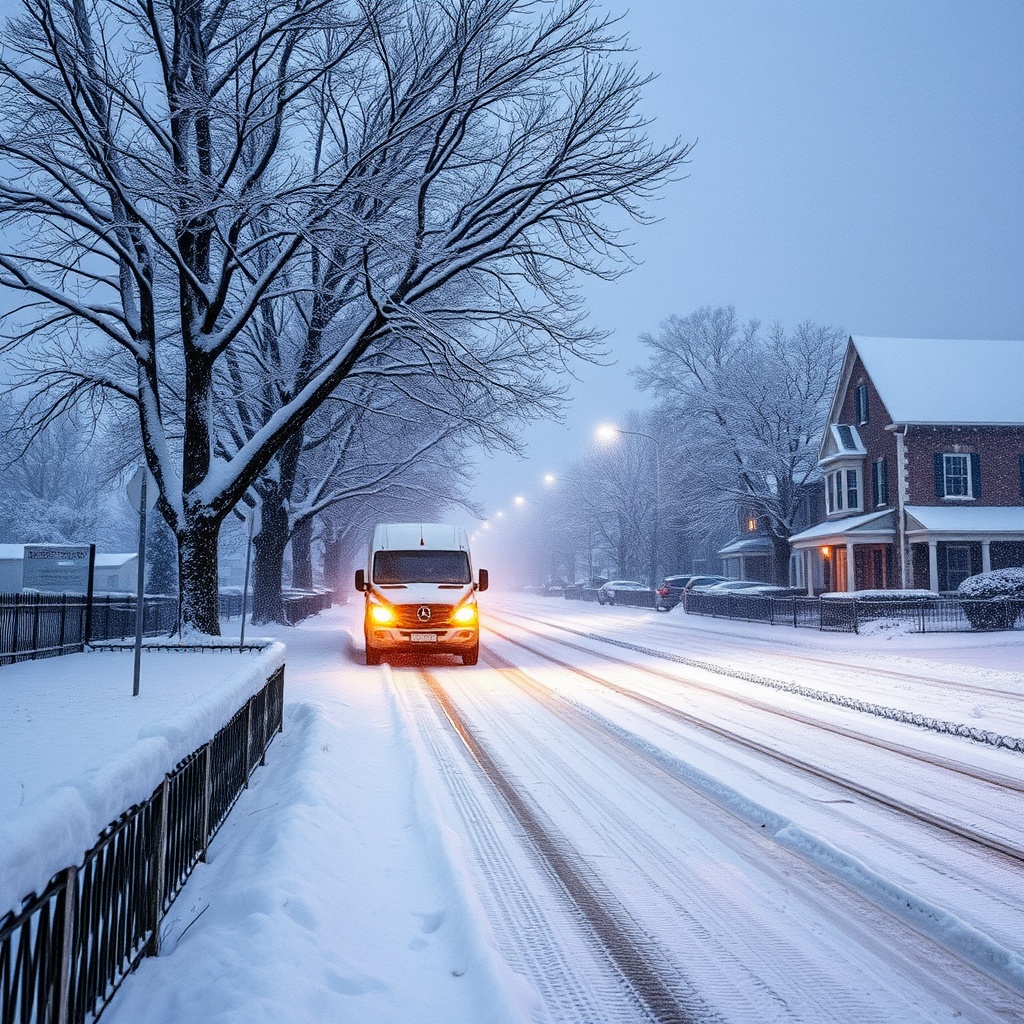
The winter storm is predicted to bring heavy snowfall, with some areas expected to receive over a foot of snow. The National Weather Service has issued winter storm warnings and advisories for many states, including Texas, Oklahoma, Kansas, Missouri, Illinois, Indiana, Ohio, Michigan, and New York. The storm is also expected to bring freezing rain and sleet, which can cause power outages and make travel extremely hazardous.
According to the National Weather Service, the storm will move eastward, affecting the Midwest and Northeast on Sunday and Monday. The heaviest snowfall is expected in the Midwest, with areas such as Chicago, Illinois, and Detroit, Michigan, predicted to receive over 6 inches of snow. The Northeast is also expected to be affected, with areas such as New York City and Boston predicted to receive several inches of snow.
The storm is expected to have a significant impact on travel, with many flights and roads expected to be closed or delayed. The Federal Aviation Administration (FAA) has issued a statement warning of potential flight delays and cancellations, and many airlines have already begun to issue travel alerts and waivers. Additionally, many schools and businesses are expected to be closed, and people are advised to stay indoors and avoid travel unless absolutely necessary.
Safety Precautions and Preparation
As the winter storm approaches, it is essential to take necessary safety precautions to ensure your safety and the safety of those around you. Here are some tips to help you prepare for the storm:
- Stock up on supplies: Make sure you have enough food, water, and medication to last for at least a week. Consider purchasing a winter storm kit that includes essentials such as flashlights, batteries, and a first aid kit.
- Charge your devices: Charge your phone, laptop, and any other essential devices in case the power goes out.
- Have a backup plan: Identify alternative heat sources, such as a fireplace or portable heater, in case your power goes out.
- Stay informed: Keep an eye on the weather forecast and sign up for emergency alerts from your local government or weather service.
- Avoid travel: Unless absolutely necessary, avoid traveling during the storm. If you must travel, make sure to check the road conditions and weather forecast before you leave.
It is also essential to be aware of the risks associated with the storm, including hypothermia, frostbite, and carbon monoxide poisoning. Hypothermia can occur when your body temperature drops below 95°F, and frostbite can occur when your skin is exposed to cold temperatures for an extended period. Carbon monoxide poisoning can occur when you use generators or other fuel-powered equipment indoors.
Case Studies and Statistics
Winter storms can have a significant impact on communities, causing power outages, property damage, and even loss of life. According to the National Oceanic and Atmospheric Administration (NOAA), winter storms have caused over $1 billion in damages and over 1,000 deaths in the United States over the past decade.
One notable example of a devastating winter storm is the Polar Vortex of 2019, which brought extremely cold temperatures and heavy snowfall to the Midwest and Northeast. The storm caused over 20 deaths, over 1,000 flights to be canceled, and millions of people to lose power.
Another example is the Blizzard of 2016, which brought heavy snowfall and high winds to the East Coast. The storm caused over 50 deaths, over 10,000 flights to be canceled, and millions of people to lose power.
In terms of statistics, the National Weather Service reports that:
- Over 70% of winter storm-related deaths occur in vehicles.
- Over 50% of winter storm-related injuries occur from falls on icy surfaces.
- The average cost of a winter storm is over $1 billion.
Conclusion
The winter storm forecasted to hit over two dozen states this weekend is expected to bring heavy snow, sleet, freezing rain, and frigid temperatures, causing significant disruptions to daily life. It is essential to take necessary safety precautions, including stocking up on supplies, charging your devices, and having a backup plan. By being aware of the risks associated with the storm and taking necessary precautions, you can help ensure your safety and the safety of those around you.
As the storm approaches, it is crucial to stay informed and up-to-date on the latest weather forecast and emergency alerts. By working together and taking necessary precautions, we can minimize the impact of the storm and keep our communities safe.
In the future, it is essential to continue to invest in weather forecasting and emergency preparedness, including improving our ability to predict and prepare for severe weather events. By doing so, we can reduce the risk of injury and loss of life and ensure that our communities are resilient and prepared for any weather-related challenges that may come our way.

Leave a comment