
Introduction
The Middle East peace process has long been a complex and contentious issue, with various attempts at negotiation and resolution over the years. Recently, the Trump administration has been actively involved in efforts to broker a peace deal between Israel and the Palestinian territories, including the Gaza Strip. However, the fragile ceasefire in the region has been tested by ongoing clashes between Israel and Hamas, the militant group that controls Gaza. In response to these developments, top negotiators from the Trump administration, including Witkoff and Kushner, have met with Israeli Prime Minister Benjamin Netanyahu in Israel to shore up the ceasefire and advance the peace process. This article will examine the current state of the Middle East peace process, the role of the Trump administration in these efforts, and the challenges that lie ahead.
Background on the Middle East Peace Process
The Middle East peace process has a long and complex history, with numerous attempts at negotiation and resolution over the years. The process has involved various international actors, including the United States, the European Union, and the United Nations, as well as regional players such as Egypt and Jordan. Despite these efforts, a lasting peace agreement has remained elusive, with ongoing conflicts and tensions between Israel and the Palestinian territories. The Gaza Strip, in particular, has been a major point of contention, with Israel maintaining a blockade on the territory and Hamas launching periodic rocket attacks against Israeli cities.
In recent years, the Trump administration has taken a more active role in the Middle East peace process, with a focus on negotiation and economic development. The administration's plan, unveiled in 2020, includes a series of economic incentives and infrastructure projects aimed at improving the lives of Palestinians in the Gaza Strip and the West Bank. However, the plan has been met with skepticism by many in the international community, who argue that it does not adequately address the core issues of the conflict, including the status of Jerusalem and the right of return for Palestinian refugees.
The Role of Witkoff and Kushner in the Peace Process
Witkoff and Kushner are two key players in the Trump administration's Middle East peace team. Witkoff, a real estate developer and friend of the Trump family, has been involved in various business ventures in the region, including a failed attempt to develop a luxury hotel in Jerusalem. Kushner, the president's son-in-law and senior advisor, has been a key architect of the administration's Middle East peace plan. Both men have been involved in numerous meetings and negotiations with regional leaders, including Netanyahu and Palestinian Authority President Mahmoud Abbas.
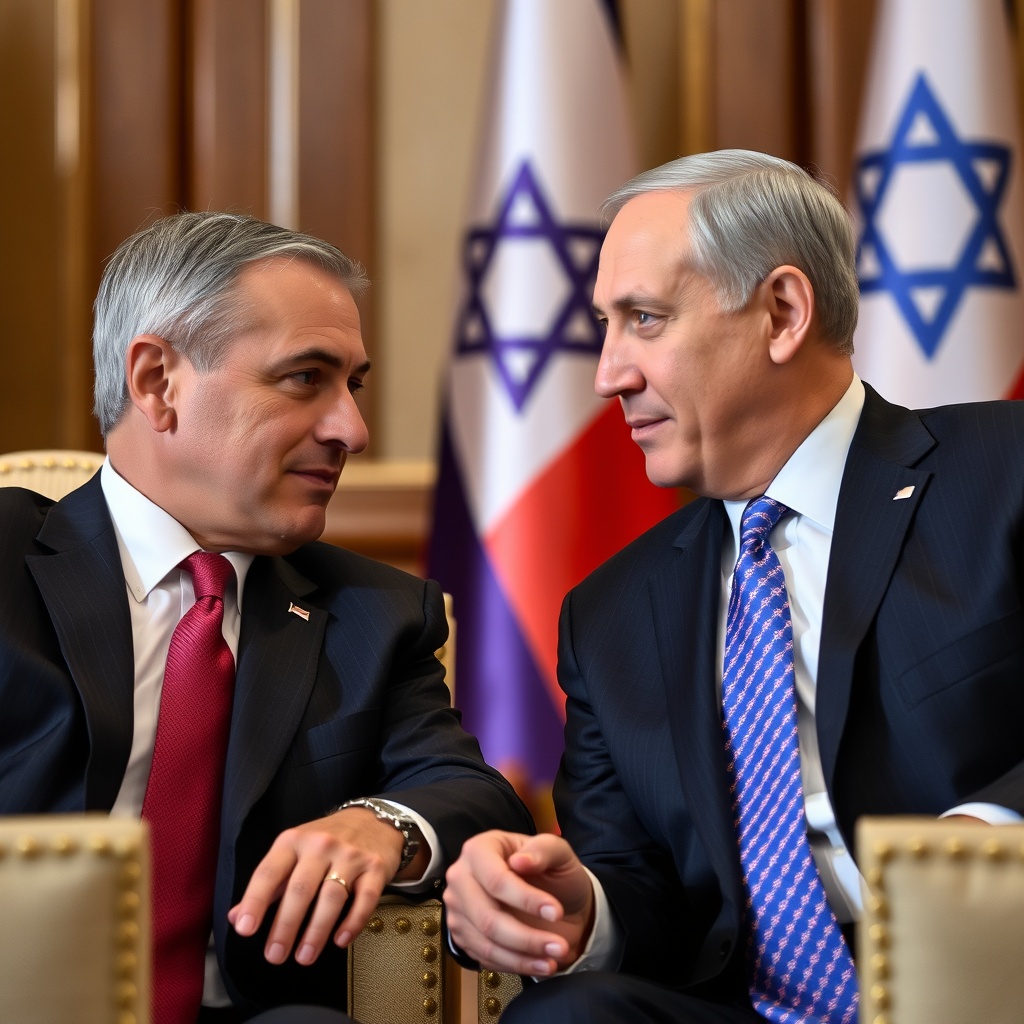
The meeting between Witkoff, Kushner, and Netanyahu in Israel is significant, as it comes at a time of heightened tensions in the region. The clashes between Israel and Hamas have resulted in numerous casualties and have raised concerns about the stability of the ceasefire. The meeting is seen as an effort by the Trump administration to shore up the ceasefire and advance the peace process, despite the challenges posed by the ongoing violence.
According to reports, the meeting between Witkoff, Kushner, and Netanyahu focused on a range of issues, including the implementation of the Trump administration's peace plan and the need for calm in the region. The three men also discussed the potential for economic development in the Gaza Strip, including the establishment of a new industrial zone and the expansion of existing infrastructure projects.
Challenges to the Peace Process
Despite the efforts of Witkoff, Kushner, and other international actors, the Middle East peace process faces numerous challenges. One of the main obstacles is the ongoing violence between Israel and Hamas, which has resulted in numerous casualties and has raised concerns about the stability of the ceasefire. The conflict has also been fueled by deeper issues, including the status of Jerusalem and the right of return for Palestinian refugees.
Another challenge to the peace process is the lack of trust between the parties involved. The Palestinian Authority has been skeptical of the Trump administration's peace plan, which they see as biased towards Israel. The plan's focus on economic development and infrastructure projects has also been criticized for not adequately addressing the core issues of the conflict.
In addition to these challenges, the peace process is also facing external pressures, including the ongoing conflict in Syria and the rise of extremist groups in the region. The conflict in Syria has resulted in a massive refugee crisis, with millions of people displaced and in need of humanitarian assistance. The rise of extremist groups, including ISIS and Al-Qaeda, has also raised concerns about the stability of the region and the potential for terrorist attacks.
Case Studies: Successful Peace Initiatives
Despite the challenges to the peace process, there have been numerous successful peace initiatives in the region. One example is the Israeli-Jordanian peace treaty, which was signed in 1994 and has resulted in a lasting peace between the two countries. The treaty established a framework for cooperation on issues such as trade, water, and security, and has helped to promote economic development and stability in the region.
Another example is the Oslo Accords, which were signed in 1993 and established a framework for peace between Israel and the Palestinian Authority. The accords established a series of interim agreements, including the creation of a Palestinian interim self-government and the establishment of a framework for economic cooperation. While the accords ultimately failed to achieve a lasting peace, they did help to promote a period of relative calm and cooperation between the parties.
Statistics: The Human Cost of the Conflict
The conflict between Israel and the Palestinian territories has resulted in a significant human cost, with thousands of people killed or injured over the years. According to the United Nations, the conflict has resulted in the deaths of over 2,000 Palestinians and 70 Israelis since 2015. The conflict has also resulted in the displacement of thousands of people, with many forced to flee their homes and seek refuge in other countries.
In addition to the human cost, the conflict has also had a significant economic impact, with billions of dollars in damage and lost productivity. According to a report by the World Bank, the conflict has resulted in a significant decline in economic growth in the Palestinian territories, with GDP per capita declining by over 10% since 2015.
Conclusion
The Middle East peace process is a complex and challenging issue, with numerous obstacles and uncertainties. Despite the efforts of Witkoff, Kushner, and other international actors, the process faces significant challenges, including ongoing violence and a lack of trust between the parties involved. However, there have been numerous successful peace initiatives in the region, including the Israeli-Jordanian peace treaty and the Oslo Accords.
As the Trump administration continues to push for a peace agreement, it is clear that a lasting resolution will require a comprehensive and sustainable approach. This will involve addressing the core issues of the conflict, including the status of Jerusalem and the right of return for Palestinian refugees. It will also require a commitment to economic development and infrastructure projects, including the establishment of a new industrial zone in the Gaza Strip and the expansion of existing infrastructure projects.
Ultimately, the success of the peace process will depend on the ability of the parties involved to work together and find common ground. This will require a willingness to compromise and make difficult decisions, as well as a commitment to the principles of justice, equality, and human rights. As the international community continues to watch the situation in the Middle East with great interest, it is clear that a lasting peace will require a sustained and collective effort from all parties involved.

Leave a comment